


 About
 Terms
 Privacy
Why Regular Engine Tune-Ups Are Essential for Better Vehicle Performance
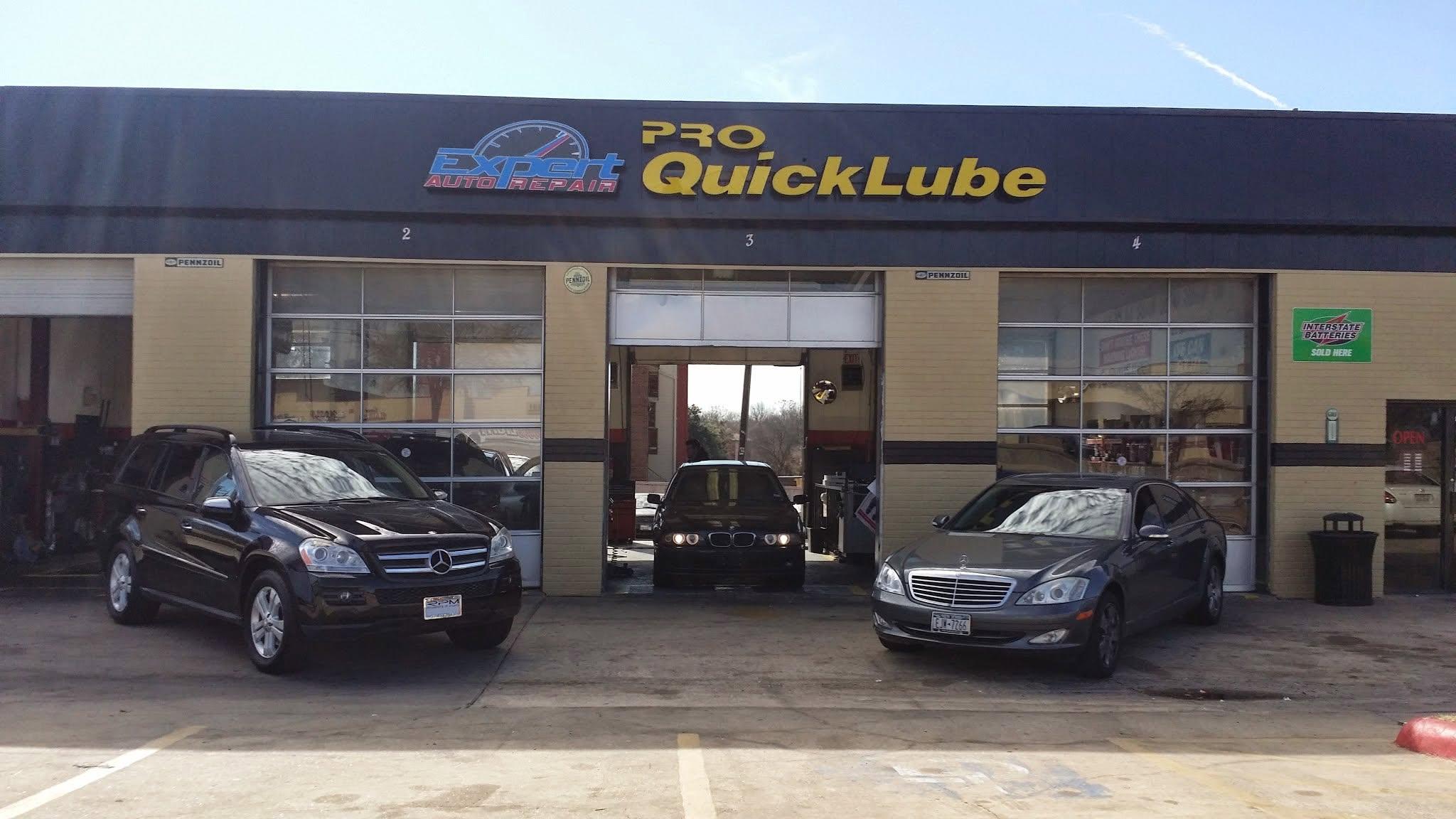
A vehicle's engine works hard every time it starts, accelerates, or travels through busy streets. Over time, everyday driving can affect engine components and reduce overall performance. Worn spark plugs, dirty air filters, fuel system problems, and ignition issues may gradually make a vehicle less efficient. Regular engine maintenance helps identify these concerns and keeps important systems working properly.
For drivers who depend on their vehicles for daily transportation, a professional tune-up can make a noticeable difference. It supports smoother engine operation, improves reliability, and helps identify developing mechanical problems before they become more serious.
Understanding the Purpose of an Engine Tune-Up
An engine tune-up involves inspecting and servicing components that influence combustion, ignition, and engine performance. The exact work depends on the vehicle's make, model, mileage, and condition.
Older vehicles may require more frequent attention to ignition components, while modern cars often rely on electronic sensors and computerized engine management systems. A professional inspection helps determine which components need cleaning, adjustment, or replacement.
Common tune-up services may include spark plug inspection, air filter replacement, ignition system testing, fuel system evaluation, and diagnostic checks. These services help maintain consistent engine operation and identify performance concerns.
Signs Your Vehicle May Need a Tune-Up
Engine problems often develop gradually. Drivers may notice small changes in performance before a warning light appears or a major issue occurs.
Watch for these common symptoms:
-
Rough idling: The engine vibrates or runs unevenly while the vehicle is stationary.
-
Slow acceleration: The vehicle struggles to respond when pressing the accelerator.
-
Poor fuel economy: Fuel consumption increases without a clear change in driving habits.
-
Starting difficulties: The engine takes longer than usual to start.
-
Engine hesitation: The vehicle pauses or jerks during acceleration.
-
Unusual engine sounds: Misfires, knocking, or irregular noises may indicate a mechanical concern.
-
Dashboard warning lights: Engine-related alerts may point to ignition, fuel, or sensor problems.
These symptoms can have several possible causes. A proper diagnostic inspection helps identify the source instead of relying on guesswork.
Important Components Checked During a Tune-Up
A complete tune-up focuses on several systems that contribute to engine performance.
Spark Plugs and Ignition Components
Spark plugs create the electrical spark needed to ignite the air-fuel mixture inside the engine. Worn or damaged plugs can cause misfires, rough running, and reduced efficiency. Technicians inspect their condition and replace them when recommended by the manufacturer.
Air Filters
The engine needs a consistent supply of clean air for proper combustion. A clogged air filter can restrict airflow and affect performance. Checking and replacing the filter when necessary helps maintain appropriate engine operation.
Fuel System
Fuel injectors and related components deliver fuel to the engine. Deposits or other problems may interfere with proper fuel delivery. A fuel system inspection can help identify issues that affect acceleration and engine smoothness.
Sensors and Electronic Controls
Modern engines depend on sensors to monitor temperature, airflow, oxygen levels, and other operating conditions. Diagnostic equipment helps technicians identify sensor faults and electronic problems that may affect engine performance.
How Regular Tune-Ups Support Vehicle Reliability
Routine engine servicing offers several benefits beyond improving how a vehicle feels during acceleration. It helps maintain consistent performance and gives technicians an opportunity to identify developing concerns.
A well-maintained ignition system can reduce misfires. Clean filters support proper airflow, while timely replacement of worn components helps prevent unnecessary strain on the engine.
Regular inspections may also help drivers avoid unexpected breakdowns. Finding a small problem early is often easier to manage than dealing with a more complicated repair after several components have been affected.
Choosing Professional Tune-Up Services in Dallas
Driving conditions can influence vehicle maintenance needs. Heavy traffic, frequent stops, long commutes, and hot weather may place additional demands on engine systems.
Drivers looking for professional tune up Dallas services can explore available automotive maintenance options and learn more about keeping their engines in good condition.
When selecting an auto repair shop, consider the technicians' experience, diagnostic equipment, service recommendations, and communication. A reliable facility should explain which components need attention and provide an estimate before starting additional work.
It is also important to follow the manufacturer's maintenance schedule. Not every vehicle needs the same tune-up services at the same mileage, so recommendations should reflect the vehicle's actual requirements.
Simple Habits That Help Maintain Engine Performance
Between professional service appointments, drivers can follow a few practical habits to support engine health.
-
Check engine oil levels regularly.
-
Replace air filters according to the maintenance schedule.
-
Pay attention to dashboard warning lights.
-
Use the fuel grade recommended by the manufacturer.
-
Avoid ignoring rough idling or unusual engine noises.
-
Keep up with scheduled oil and filter changes.
-
Arrange an inspection when fuel efficiency suddenly decreases.
These habits help drivers stay aware of their vehicle's condition and recognize changes that may require professional attention.
Conclusion
An Pro Automotive Service engine tune-up is an important part of responsible vehicle maintenance. Inspecting spark plugs, filters, fuel delivery, and electronic systems helps maintain dependable performance and identify potential problems early. Drivers who follow a consistent service schedule can reduce unnecessary engine strain and enjoy greater confidence on the road. Choosing experienced mechanics and addressing warning signs promptly helps keep vehicles operating smoothly throughout the year.
❤️ Support Friends Aim! View a sponsored ad to help cover our website costs. Thanks!
Support Us — Ad 1 Support Us — Ad 2- Arts, Culture & Design
- Automotive & Transport
- Accounting & Finance
- Advertising & Marketing
- Agriculture & Farming
- Business & Consulting
- Books & Publishing
- Building & Construction
- Beauty & Personal Care
- Baby, Kids & Parenting
- Charity & Social Causes
- Crafts & Handmade
- Careers & Jobs
- Computers & Laptops
- Consumer Electronics
- Entertainment & Events
- Food & Beverages
- Delivery & Logistics
- Digital Media & Content
- Dating & Relationships
- E-Commerce & Retail
- Education & Learning
- Energy & Environment
- Fitness
- Fashion & Apparel
- Gaming & Toys
- Government & Legal
- Gardening
- Health & Medical Care
- Home Decor & Furniture
- IT & Software
- Industrial & Tools
- Import & Export
- Jewelry & Watches
- Lifestyle & Wellness
- Legal Services & Law
- News & Media
- News & Current Affairs
- Religion & Faith
- Sports
- Technology
- Travel & Tourism
- Weddings & Events
- Other

 Arabic
 French
 Spanish
 Portuguese
 Deutsch
 Turkish
 Dutch
 Italiano
 Russian
 Romaian
 Portuguese (Brazil)
 Greek