


 About
 Terms
 Privacy
What Should Cedar Park Homeowners Do First During an Emergency Burst Pipe Repair?
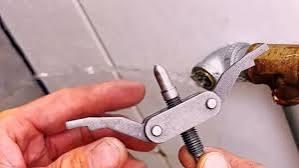
A burst water pipe can turn into a serious property emergency within minutes. Emergency burst pipe repair is essential when a damaged water line begins releasing water into walls, ceilings, floors, crawl spaces, or other areas of a home. Even a relatively small pipe opening can release enough water to damage building materials, furniture, electrical components, and personal belongings if the problem is not addressed quickly.
For homeowners in Cedar Park, TX, knowing what to do when a pipe suddenly breaks can help reduce unnecessary damage and make the repair and restoration process easier. The first priorities are to stop the water supply, protect people and belongings, and arrange professional assistance to identify the damaged section.
Legacy Water Restoration helps property owners understand water-related emergencies and the importance of timely leak repair in Cedar Park, TX. Whether a home experiences a sudden pipe rupture, an underground water line problem, or a leak hidden behind a wall, identifying the source and addressing the resulting water damage are important steps toward protecting the property.
This guide explains what causes burst pipes, what homeowners should do immediately, how emergency repairs work, and when professional water damage restoration may be necessary.
What Is Emergency Burst Pipe Repair?
Emergency burst pipe repair is the process of identifying, isolating, and repairing or replacing a damaged water pipe that is releasing water unexpectedly. Unlike routine plumbing maintenance, emergency repairs focus on controlling active water loss and preventing additional property damage.
A burst pipe may occur in several areas, including:
· Inside walls and ceilings
· Beneath concrete slabs
· Underground water supply lines
· Crawl spaces and basements
· Utility rooms and garages
· Residential kitchens and bathrooms
· Outdoor water supply connections
The repair process depends on the pipe material, location, severity of the damage, and accessibility of the affected section.
For example, a visible pipe rupture beneath a kitchen sink may be relatively straightforward to identify. However, a water line leaking beneath a concrete foundation can require specialized leak detection before the affected area can be accessed.
The most important consideration is that stopping the water flow should happen before cosmetic repairs or reconstruction begin.
What Should You Do Immediately When a Water Pipe Bursts?
When a pipe breaks, the first few decisions can influence how much damage the property experiences. Homeowners should focus on immediate safety and water control rather than attempting complicated repairs without the appropriate equipment.
1. Shut Off the Main Water Supply
Locate the main water shutoff valve and turn it off if it is safe to access. This stops additional water from entering the damaged plumbing system.
If you cannot locate the valve or it is difficult to operate, contact an appropriate emergency plumbing professional.
2. Stay Away From Electrical Hazards
Water near electrical outlets, appliances, wiring, or electrical panels creates a serious safety concern.
Do not walk through standing water if electrical equipment may be submerged. Never touch electrical switches or appliances while standing in water. Contact qualified professionals when electrical hazards are present.
3. Protect Furniture and Personal Belongings
If the affected area is safe to enter, move furniture, electronics, rugs, documents, and other valuable belongings away from the water.
Avoid handling items that are electrically connected or too heavy to move safely.
4. Document the Damage
Take photographs and videos of visible water damage, damaged belongings, and the affected areas.
This documentation can help when communicating with your insurance company and discussing the extent of the damage with restoration professionals.
5. Arrange Professional Assistance
After stopping the water supply, arrange an assessment of the damaged plumbing. If water has entered walls, flooring, ceilings, or other building materials, water damage restoration may also be necessary.
Acting promptly can help prevent a manageable plumbing incident from developing into a larger property restoration project.
What Are the Most Common Causes of Burst Water Pipes?
Understanding why pipes break can help homeowners recognize potential warning signs and reduce the likelihood of future plumbing emergencies.
Aging and Deteriorating Plumbing
Older pipes may gradually weaken because of corrosion, material deterioration, and repeated exposure to water pressure.
Metal pipes can develop corrosion, while certain older plastic or other plumbing materials may become brittle over time.
Excessive Water Pressure
Water pressure that exceeds the plumbing system's appropriate operating range can place additional stress on pipe walls, fittings, and joints.
Over time, this stress may contribute to leaks or sudden pipe failure.
Corrosion and Mineral Deposits
Mineral buildup and corrosion can reduce the internal diameter of certain pipes and weaken their structure.
These conditions may increase the likelihood of plumbing problems, particularly in older systems that have not received regular inspection.
Damaged Pipe Connections
Pipe joints, connectors, and fittings can deteriorate or become damaged because of movement, installation problems, or general wear.
A weakened connection may initially produce a small leak before developing into a more serious failure.
Ground Movement and Foundation Changes
Soil movement, shifting ground, and structural changes can place pressure on underground plumbing.
This is particularly important when investigating unexplained moisture around foundations, persistent wet spots, or unusually high water consumption.
Accidental Physical Damage
Construction, drilling, landscaping, and other property improvement activities can accidentally damage concealed water lines.
When a pipe is punctured or crushed, immediate water line inspection may be necessary.
When Should You Call for 24/7 Emergency Burst Pipe Repair?
Not every plumbing leak requires the same level of response. However, certain warning signs indicate that a situation should be treated as an emergency.
Consider arranging 24/7 emergency burst pipe repair when:
· Water is continuously flowing from a broken pipe.
· A ceiling begins sagging because of trapped water.
· Water is spreading across multiple rooms.
· A main water supply line has ruptured.
· Water is entering electrical or utility areas.
· A pipe has broken beneath the home's foundation.
· Water pressure suddenly drops throughout the property.
· A previously repaired pipe begins leaking heavily again.
A particularly important warning sign is water appearing in an unexpected location. For example, a damp ceiling may indicate a damaged supply line or plumbing connection above it.
Waiting for visible damage to become worse is not a reliable way to determine whether a leak is serious. Hidden moisture can affect building materials even when the original water source is no longer actively leaking.
How Does Emergency Water Pipe Repair Work?
Professional emergency water pipe repair generally follows a structured process. Understanding the steps helps homeowners know what to expect when arranging assistance.
Step 1: Initial Inspection
The affected plumbing system is inspected to determine where the water is coming from and how extensive the damage appears to be.
Professionals may examine exposed pipes, connections, water supply lines, and surrounding building materials.
Step 2: Water Supply Isolation
The damaged plumbing section is isolated to prevent further water release.
Depending on the system, this may involve shutting off the main water supply or isolating a particular section of the plumbing network.
Step 3: Leak Detection and Damage Assessment
If the damaged pipe is concealed, appropriate diagnostic methods may be needed.
Depending on the circumstances, professionals may use moisture meters, thermal imaging equipment, acoustic detection methods, or other inspection techniques.
These methods can help narrow down the location of hidden moisture or a suspected leak.
Step 4: Pipe Repair or Replacement
The appropriate repair depends on the pipe's condition and the extent of the damage.
Possible solutions include:
· Replacing a damaged pipe section
· Repairing a leaking connection
· Replacing a deteriorated fitting
· Repairing a damaged water supply line
· Arranging a more extensive plumbing replacement when necessary
A temporary measure may help control immediate water loss, but the underlying cause should also be addressed.
Step 5: Testing the Repaired System
After the repair, the affected plumbing system should be checked for continued leakage and appropriate operation.
The goal is to confirm that the damaged section is no longer releasing water under normal operating conditions.
Step 6: Water Removal and Restoration
If water has entered the property, the next priority is addressing the resulting moisture.
Depending on the damage, restoration may involve water extraction, structural drying, dehumidification, and moisture monitoring.
This final step is important because repairing the pipe does not automatically eliminate water trapped inside building materials.
Why Is Burst Water Line Repair Different From Ordinary Leak Repair?
A minor plumbing leak and a burst water line may involve similar plumbing components, but the response requirements can be very different.
A slow leak might produce occasional dripping beneath a sink. A burst water line can release water continuously and affect several areas of a property.
The difference becomes particularly important when water escapes into concealed building spaces.
For example, a damaged supply line inside a wall may saturate insulation, drywall, and nearby framing. Even after the pipe has been repaired, moisture may remain trapped inside these materials.
Burst water line repair therefore needs to consider two separate issues:
1. Correcting the plumbing failure.
2. Addressing any water damage caused by the failure.
Homeowners should understand this distinction when arranging professional services. A successful plumbing repair does not necessarily mean the property is completely dry or ready for reconstruction.
When Do You Need Broken Water Pipe Repair or Complete Pipe Replacement?
Not every damaged pipe needs to be replaced entirely. The appropriate solution depends on the condition of the pipe and whether the surrounding plumbing system remains reliable.
A localized repair may be appropriate when:
· The damaged section is accessible.
· The remaining pipe is in suitable condition.
· The problem is limited to one identifiable area.
· Nearby fittings and connections are functioning properly.
Pipe replacement may be more appropriate when:
· Corrosion affects multiple sections.
· The pipe has repeated leakage problems.
· The material has significantly deteriorated.
· Several connections are failing.
· The damaged section cannot be reliably repaired.
A professional assessment can help determine whether a localized repair or more extensive replacement is appropriate.
Choosing the right solution matters because repeatedly repairing a deteriorating pipe can create additional disruption and expense over time.
What Is the Connection Between Burst Pipes and Water Damage Restoration?
A burst pipe is a plumbing problem, but the water it releases can create a separate property restoration challenge.
Water may spread beyond the original leak location and enter materials that are not immediately visible.
Commonly affected materials include:
· Drywall and wall insulation
· Hardwood and laminate flooring
· Carpets and carpet padding
· Ceiling materials
· Wooden framing
· Cabinets and built-in furniture
· Subflooring and concealed cavities
Depending on the water source and the affected materials, professional restoration may involve several stages.
Emergency Water Extraction
Water extraction removes standing water from affected areas using appropriate extraction equipment.
Removing accumulated water is an important first step before the drying process can be completed.
Structural Drying
Structural drying focuses on reducing moisture inside building materials.
Specialized air-moving equipment and drying methods may be used depending on the property's construction and the extent of the water intrusion.
Dehumidification
Dehumidification helps remove excess moisture from indoor air.
This supports the drying process and helps manage humidity in affected rooms.
Moisture Detection and Monitoring
Visible surfaces do not always indicate whether materials underneath are dry.
Moisture detection equipment can help professionals assess affected areas and monitor drying progress.
Mold Prevention and Assessment
Materials that remain damp may create conditions favorable to mold growth.
Prompt drying and appropriate moisture management are important. If mold is already present, the affected area may require a separate assessment and appropriate remediation.
Legacy Water Restoration can be considered when homeowners need to understand the water damage restoration side of a burst pipe incident.
Which Leak Repair Services May Be Needed in Cedar Park, TX?
Different plumbing problems require different inspection and repair approaches. Homeowners looking for Leak Repair in Cedar Park, TX should understand which type of service may apply to their situation.
Water Leak Repair Cedar Park TX
Water leaks can develop in supply lines, plumbing connections, fixtures, and other parts of a residential plumbing system.
Early identification helps homeowners address the source before additional water enters surrounding materials.
Emergency Leak Repair Cedar Park TX
Emergency leak repair is important when water is actively escaping and creating an immediate risk to the property.
The priority is to control the water supply, identify the damaged section, and arrange the necessary corrective work.
Plumbing Leak Repair Cedar Park TX
Plumbing leak repair covers problems involving pipes, fittings, valves, and household plumbing connections.
A proper inspection helps determine whether the issue involves a localized connection or a larger section of the plumbing system.
Pipe Leak Repair Cedar Park TX
Pipe leaks can occur in exposed plumbing, concealed wall cavities, crawl spaces, and other locations.
The repair approach depends on pipe accessibility, material, and the extent of deterioration.
Water Line Leak Repair Cedar Park TX
Water line leaks can affect the property's main supply or individual plumbing branches.
Unexplained water consumption, reduced water pressure, and persistent wet areas may indicate a possible water line problem.
Slab Leak Repair Cedar Park TX
A slab leak occurs when plumbing beneath a concrete foundation develops a leak.
Potential warning signs include unexplained warm flooring, damp spots, unusual water bills, and persistent moisture around parts of the foundation.
Specialized leak detection may be needed to identify the affected section before repair work begins.
Underground Water Leak Repair Cedar Park TX
Underground water leaks can occur in buried supply lines and other concealed plumbing connections.
Wet soil, unusual pooling, changes in water pressure, or unexplained water consumption may indicate an underground plumbing issue.
Accurate identification is important because unnecessary excavation can increase disruption to the property.
How Can Homeowners Choose the Right Emergency Plumbing and Restoration Provider?
When a pipe bursts, homeowners may feel pressure to hire the first available company. However, choosing an appropriate service provider should involve more than simply finding someone who can arrive quickly.
Consider these factors before arranging the work.
Understand the Services Being Provided
Ask whether the provider handles plumbing repairs, water extraction, structural drying, or only a specific part of the problem.
These are related but different services. Knowing who is responsible for each stage can prevent confusion.
Ask How the Leak Will Be Identified
For concealed leaks, ask what inspection methods may be appropriate and whether the proposed repair addresses the actual source.
Request a Clear Explanation of the Repair
A professional should be able to explain the affected area, the proposed repair, and any limitations associated with the work.
Understand the Restoration Process
If water has entered walls or floors, ask how moisture will be assessed and monitored.
Simply removing visible water may not be sufficient when building materials have absorbed moisture.
Review Written Estimates and Scope
Before authorizing non-emergency work, request a clear description of the services, expected costs, and any additional work that may become necessary.
For urgent situations, immediate safety and water control should come first, but homeowners should still seek clear communication about the work being performed.
Check Insurance Documentation
If the incident may involve an insurance claim, document the damage and communicate with the insurance company.
Coverage depends on the policy, the cause of the damage, and applicable exclusions. Do not assume that every plumbing repair or water damage expense will automatically be covered.
How Can You Reduce the Risk of Another Burst Pipe?
Although no prevention strategy can eliminate every plumbing failure, regular attention to the water system can help homeowners identify developing problems.
Consider these practical steps:
· Inspect visible pipes periodically for corrosion, moisture, and damaged connections.
· Address dripping faucets and small plumbing leaks promptly.
· Monitor unusually high water bills.
· Pay attention to unexplained changes in water pressure.
· Arrange an appropriate plumbing inspection when older pipes show signs of deterioration.
· Avoid damaging concealed plumbing during renovation or landscaping.
· Know where the main water shutoff valve is located.
· Investigate recurring damp areas instead of covering them with paint or new flooring.
Homeowners should also remember that concealed leaks can develop without obvious warning signs. If moisture repeatedly appears in the same location, investigate the underlying cause rather than treating only the visible surface.
Why Consider Legacy Water Restoration for Water Damage After a Burst Pipe?
When a pipe breaks, the immediate plumbing issue is only one part of protecting the property. Water that enters walls, floors, ceilings, and other building materials may require additional attention even after the damaged pipe has been repaired.
Legacy Water Restoration is a relevant resource for homeowners researching water damage restoration and related services in Cedar Park, TX.
Its service-related topics include:
· Water damage restoration
· Water extraction
· Structural drying
· Moisture detection
· Dehumidification
· Water leak repair
· Broken pipe repair
· Mold removal and remediation
For homeowners experiencing a burst pipe, understanding the difference between repairing the plumbing and restoring water-damaged materials is especially important.
If you need assistance with a water-related property issue, explore the available Leak Repair in Cedar Park, TX service information from Legacy Water Restoration.
Addressing the source of the water and evaluating the affected building materials are important parts of a responsible recovery process.
Conclusion
Emergency burst pipe repair requires prompt action because uncontrolled water can damage plumbing systems, flooring, walls, ceilings, and other parts of a home. Shutting off the water supply, avoiding electrical hazards, documenting visible damage, and arranging appropriate professional assistance are essential first steps.
Whether the problem involves a damaged supply line, a concealed plumbing connection, a slab leak, or an underground water line, identifying the source is critical to selecting the right repair approach.
Homeowners in Cedar Park, TX, should also remember that repairing a broken pipe does not automatically resolve moisture trapped inside the property. Water extraction, structural drying, dehumidification, and moisture monitoring may be necessary depending on the extent of the damage.
Legacy Water Restoration provides a relevant starting point for homeowners researching water damage restoration and leak-related services. Taking the right steps early can help limit further damage and support a more organized property recovery process.
Frequently Asked Questions About Emergency Burst Pipe Repair
1. What should I do first when a water pipe bursts?
Turn off the main water supply if it is safe to do so. Keep away from electrical hazards, protect belongings where possible, document visible damage, and arrange professional assistance. If water is near electrical equipment, do not enter the affected area.
2. How quickly should a burst water pipe be repaired?
A burst pipe should be addressed as soon as possible because continued water flow can increase property damage. The water supply should be isolated promptly, followed by an assessment and appropriate repair.
3. What are the warning signs of a hidden burst water pipe?
Warning signs may include unexplained increases in water bills, reduced water pressure, damp walls, ceiling stains, unusual sounds in plumbing, warm flooring, or persistent wet areas around the property.
4. Can a burst pipe cause mold growth?
Yes. Water that remains inside building materials can create conditions favorable to mold growth. Prompt water extraction, structural drying, and moisture monitoring can help reduce this risk.
5. Does burst pipe repair include water damage restoration?
Not necessarily. Plumbing repair addresses the damaged pipe, while water damage restoration addresses the effects of released water. Depending on the incident, separate services such as water extraction, drying, and dehumidification may be required.
6. What is the difference between pipe leak repair and slab leak repair?
Pipe leak repair is a broad term covering leaks in different plumbing locations. Slab leak repair specifically addresses plumbing leaks beneath a concrete foundation. Slab leaks may require specialized detection and repair methods because the affected pipes are concealed.
7. When should I consider professional leak repair in Cedar Park, TX?
Consider professional assistance when you notice continuous water leakage, unexplained moisture, recurring plumbing problems, unusual water consumption, reduced water pressure, or signs of water damage. Early investigation can help identify the source before the problem becomes more extensive.
❤️ Support Friends Aim! View a sponsored ad to help cover our website costs. Thanks!
Support Us — Ad 1 Support Us — Ad 2- Arts, Culture & Design
- Automotive & Transport
- Accounting & Finance
- Advertising & Marketing
- Agriculture & Farming
- Business & Consulting
- Books & Publishing
- Building & Construction
- Beauty & Personal Care
- Baby, Kids & Parenting
- Charity & Social Causes
- Crafts & Handmade
- Careers & Jobs
- Computers & Laptops
- Consumer Electronics
- Entertainment & Events
- Food & Beverages
- Delivery & Logistics
- Digital Media & Content
- Dating & Relationships
- E-Commerce & Retail
- Education & Learning
- Energy & Environment
- Fitness
- Fashion & Apparel
- Gaming & Toys
- Government & Legal
- Gardening
- Health & Medical Care
- Home Decor & Furniture
- IT & Software
- Industrial & Tools
- Import & Export
- Jewelry & Watches
- Lifestyle & Wellness
- Legal Services & Law
- News & Media
- News & Current Affairs
- Religion & Faith
- Sports
- Technology
- Travel & Tourism
- Weddings & Events
- Other

 Arabic
 French
 Spanish
 Portuguese
 Deutsch
 Turkish
 Dutch
 Italiano
 Russian
 Romaian
 Portuguese (Brazil)
 Greek