


 About
 Terms
 Privacy
What to Expect from Rhinoplasty in Islamabad at SKN Cosmetics
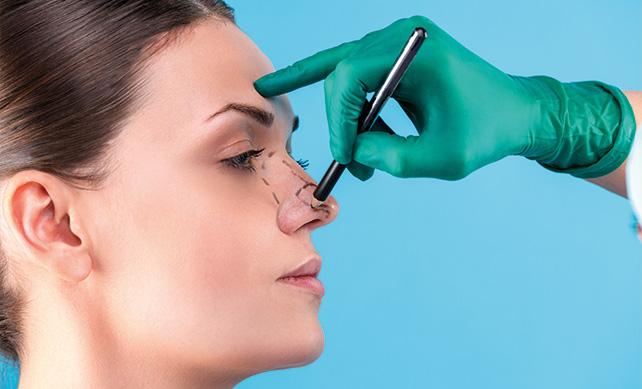
Rhinoplasty, commonly known as nose surgery, is a cosmetic and functional procedure designed to improve the appearance of the nose or address certain breathing concerns. It can help refine the nasal tip, adjust the bridge, improve symmetry, or create better facial balance. For individuals considering
Rhinoplasty, commonly known as nose surgery, is a cosmetic and functional procedure designed to improve the appearance of the nose or address certain breathing concerns. It can help refine the nasal tip, adjust the bridge, improve symmetry, or create better facial balance. For individuals considering Rhinoplasty in Islamabad, understanding the consultation, surgical process, recovery period, and expected results is essential before making a decision.
Choosing rhinoplasty is a personal decision that requires careful planning and professional assessment. Every nose has a different structure, and the right surgical approach depends on individual facial proportions, skin thickness, nasal anatomy, and personal expectations.
What Is Rhinoplasty and Why Do People Consider It?
Rhinoplasty is a surgical procedure that reshapes or reconstructs the nose. It may involve modifying cartilage, bone, or other nasal structures to achieve a more balanced appearance or improve nasal function.
People consider rhinoplasty for several reasons, including:
-
Nasal Hump Correction: Reducing a noticeable bump on the nasal bridge.
-
Nose Tip Refinement: Improving the shape, projection, or definition of the nasal tip.
-
Nose Width Adjustment: Addressing concerns about a broad nasal structure.
-
Nasal Symmetry: Improving visible differences between the two sides of the nose.
-
Breathing Improvement: Addressing certain structural problems that affect airflow.
-
Facial Proportion: Creating better harmony between the nose and other facial features.
The procedure should focus on achieving a natural-looking result rather than following a particular beauty trend.
What to Expect During Your Rhinoplasty Consultation
The consultation is one of the most important stages of the rhinoplasty journey. It allows the surgeon to understand your concerns, assess your nasal anatomy, and determine whether surgery is appropriate.
During the consultation, you can generally expect:
-
Medical History Review: Discussing previous surgeries, medications, allergies, and relevant health conditions.
-
Nasal Examination: Evaluating the nasal bridge, tip, septum, cartilage, and overall structure.
-
Facial Assessment: Understanding how the nose relates to your chin, cheeks, and other facial features.
-
Expectation Discussion: Explaining your desired changes and identifying realistic outcomes.
-
Surgical Planning: Discussing the possible technique, risks, recovery, and expected limitations.
Patients should also ask questions about the surgeon's qualifications, surgical experience, anesthesia, and follow-up arrangements before proceeding.
Understanding the Rhinoplasty Procedure
Rhinoplasty techniques vary according to the patient's anatomy and treatment goals. The surgeon selects an appropriate approach after a detailed examination.
The two commonly used techniques include:
Open Rhinoplasty
Open rhinoplasty involves a small incision across the columella, the tissue between the nostrils. It provides greater visibility of the underlying nasal structures and may be useful for complex reshaping.
Closed Rhinoplasty
Closed rhinoplasty involves incisions inside the nostrils. It avoids an external columellar incision and may be suitable for selected cases requiring less extensive structural modification.
The procedure generally involves the following stages:
-
Administration of appropriate anesthesia.
-
Surgical access to the nasal structures.
-
Reshaping or repositioning cartilage and bone as planned.
-
Adjustments to improve nasal structure and appearance.
-
Closure of incisions and application of appropriate support or dressing.
The duration and complexity depend on the individual surgical plan.
What Happens Immediately After Rhinoplasty?
After surgery, patients are moved to a recovery area for monitoring. Some swelling, bruising, tenderness, and nasal congestion are common during the initial recovery period.
Your surgeon may recommend:
-
Keeping your head elevated while resting.
-
Applying cold compresses around the eyes when advised.
-
Avoiding unnecessary pressure on the nose.
-
Taking prescribed medications according to instructions.
-
Keeping the surgical area clean and following wound-care guidance.
-
Attending scheduled follow-up appointments.
A nasal splint may be used to support and protect the nose during early healing. Patients should avoid blowing their nose or engaging in strenuous physical activities until their surgeon gives permission.
Rhinoplasty Recovery Timeline: What to Expect
Recovery happens gradually, and the healing experience varies from person to person.
First Week: Swelling, bruising, and congestion are usually more noticeable. A nasal splint may be removed during a follow-up appointment, depending on the surgical plan.
Second Week: Most visible bruising begins to improve, although swelling may remain. Many patients gradually return to light daily activities with medical approval.
First Month: The nose continues to heal, and some swelling may still affect its appearance. Strenuous exercise and contact sports may remain restricted.
Three to Six Months: The nasal shape becomes more refined as swelling gradually decreases.
Up to One Year or Longer: Subtle swelling, particularly around the nasal tip, may take many months to resolve. Final results can take a year or longer to become fully apparent.
Patience is important because rhinoplasty results should be evaluated after sufficient healing rather than immediately after surgery.
Risks and Important Considerations Before Surgery
Like any surgical procedure, rhinoplasty carries potential risks. Understanding these possibilities helps patients make informed decisions.
Possible complications include:
-
Infection or excessive bleeding.
-
Persistent swelling or bruising.
-
Scarring or changes in skin sensation.
-
Breathing difficulties.
-
Nasal asymmetry or dissatisfaction with appearance.
-
Need for revision surgery in selected cases.
-
Risks associated with anesthesia.
Not every patient is an ideal candidate. A qualified surgeon should evaluate overall health, nasal development, expectations, and individual suitability before recommending surgery.
How to Choose the Right Rhinoplasty Clinic in Islamabad
Selecting an appropriate clinic is an important part of achieving a safe and well-planned surgical experience. Patients should look beyond promotional photographs and focus on medical qualifications, surgical standards, and patient care.
When comparing clinics, consider:
-
The surgeon's recognized qualifications and experience in rhinoplasty.
-
Availability of a proper preoperative assessment.
-
Clear communication about surgical techniques and limitations.
-
Appropriate anesthesia and surgical facilities.
-
Transparent discussions about costs and potential risks.
-
Structured postoperative care and follow-up support.
Why Consider SKN Cosmetics in Islamabad?
SKN Cosmetics in Islamabad is an option patients can explore when researching cosmetic surgery and rhinoplasty services. Before choosing the clinic, prospective patients should arrange a consultation to discuss their nasal concerns, medical history, treatment goals, and surgical suitability. They should also verify the operating surgeon's credentials, understand the proposed procedure, and ask about the available postoperative support. A personalized treatment plan and realistic expectations are important considerations when evaluating any cosmetic surgery provider.
Preparing for Your Rhinoplasty Journey
Preparation can make the surgical experience more organized and help patients understand their responsibilities before and after the procedure.
Before surgery, patients should:
-
Follow the surgeon's instructions regarding medications and supplements.
-
Avoid smoking as advised by the medical team.
-
Arrange transportation and assistance after surgery.
-
Prepare a comfortable recovery space at home.
-
Discuss work, travel, and activity restrictions.
-
Share complete medical information with the surgical team.
Following professional instructions before and after surgery supports a more informed recovery process.
Final Thoughts
Rhinoplasty is a personalized surgical procedure that requires careful evaluation, realistic expectations, and an experienced medical professional. From the initial consultation to the final healing stages, every step plays an important role in the overall experience. Individuals considering Rhinoplasty in Islamabad should prioritize surgical qualifications, patient safety, proper aftercare, and an approach that respects their natural facial proportions. Exploring SKN Cosmetics in Islamabad through a professional consultation can help prospective patients understand their available options before making a decision.
Frequently Asked Questions (FAQs)
Q1. How long does rhinoplasty surgery take?
The procedure generally takes around 2–4 hours, depending on its complexity.
Q2. Is rhinoplasty painful?
Anesthesia prevents pain during surgery. Some discomfort, swelling, and congestion may occur afterward.
Q3. How long does rhinoplasty recovery take?
Initial recovery usually takes 1–2 weeks, while complete healing may take a year or longer.
Q4. Are rhinoplasty results permanent?
Rhinoplasty results are generally long-lasting, although natural aging and healing changes can affect appearance.
Q5. Who is a suitable candidate for rhinoplasty?
Adults with fully developed nasal structures, realistic expectations, and suitable overall health may be candidates after professional assessment.
, understanding the consultation, surgical process, recovery period, and expected results is essential before making a decision.
Choosing rhinoplasty is a personal decision that requires careful planning and professional assessment. Every nose has a different structure, and the right surgical approach depends on individual facial proportions, skin thickness, nasal anatomy, and personal expectations.
What Is Rhinoplasty and Why Do People Consider It?
Rhinoplasty is a surgical procedure that reshapes or reconstructs the nose. It may involve modifying cartilage, bone, or other nasal structures to achieve a more balanced appearance or improve nasal function.
People consider rhinoplasty for several reasons, including:
-
Nasal Hump Correction: Reducing a noticeable bump on the nasal bridge.
-
Nose Tip Refinement: Improving the shape, projection, or definition of the nasal tip.
-
Nose Width Adjustment: Addressing concerns about a broad nasal structure.
-
Nasal Symmetry: Improving visible differences between the two sides of the nose.
-
Breathing Improvement: Addressing certain structural problems that affect airflow.
-
Facial Proportion: Creating better harmony between the nose and other facial features.
The procedure should focus on achieving a natural-looking result rather than following a particular beauty trend.
What to Expect During Your Rhinoplasty Consultation
The consultation is one of the most important stages of the rhinoplasty journey. It allows the surgeon to understand your concerns, assess your nasal anatomy, and determine whether surgery is appropriate.
During the consultation, you can generally expect:
-
Medical History Review: Discussing previous surgeries, medications, allergies, and relevant health conditions.
-
Nasal Examination: Evaluating the nasal bridge, tip, septum, cartilage, and overall structure.
-
Facial Assessment: Understanding how the nose relates to your chin, cheeks, and other facial features.
-
Expectation Discussion: Explaining your desired changes and identifying realistic outcomes.
-
Surgical Planning: Discussing the possible technique, risks, recovery, and expected limitations.
Patients should also ask questions about the surgeon's qualifications, surgical experience, anesthesia, and follow-up arrangements before proceeding.
Understanding the Rhinoplasty Procedure
Rhinoplasty techniques vary according to the patient's anatomy and treatment goals. The surgeon selects an appropriate approach after a detailed examination.
The two commonly used techniques include:
Open Rhinoplasty
Open rhinoplasty involves a small incision across the columella, the tissue between the nostrils. It provides greater visibility of the underlying nasal structures and may be useful for complex reshaping.
Closed Rhinoplasty
Closed rhinoplasty involves incisions inside the nostrils. It avoids an external columellar incision and may be suitable for selected cases requiring less extensive structural modification.
The procedure generally involves the following stages:
-
Administration of appropriate anesthesia.
-
Surgical access to the nasal structures.
-
Reshaping or repositioning cartilage and bone as planned.
-
Adjustments to improve nasal structure and appearance.
-
Closure of incisions and application of appropriate support or dressing.
The duration and complexity depend on the individual surgical plan.
What Happens Immediately After Rhinoplasty?
After surgery, patients are moved to a recovery area for monitoring. Some swelling, bruising, tenderness, and nasal congestion are common during the initial recovery period.
Your surgeon may recommend:
-
Keeping your head elevated while resting.
-
Applying cold compresses around the eyes when advised.
-
Avoiding unnecessary pressure on the nose.
-
Taking prescribed medications according to instructions.
-
Keeping the surgical area clean and following wound-care guidance.
-
Attending scheduled follow-up appointments.
A nasal splint may be used to support and protect the nose during early healing. Patients should avoid blowing their nose or engaging in strenuous physical activities until their surgeon gives permission.
Rhinoplasty Recovery Timeline: What to Expect
Recovery happens gradually, and the healing experience varies from person to person.
First Week: Swelling, bruising, and congestion are usually more noticeable. A nasal splint may be removed during a follow-up appointment, depending on the surgical plan.
Second Week: Most visible bruising begins to improve, although swelling may remain. Many patients gradually return to light daily activities with medical approval.
First Month: The nose continues to heal, and some swelling may still affect its appearance. Strenuous exercise and contact sports may remain restricted.
Three to Six Months: The nasal shape becomes more refined as swelling gradually decreases.
Up to One Year or Longer: Subtle swelling, particularly around the nasal tip, may take many months to resolve. Final results can take a year or longer to become fully apparent.
Patience is important because rhinoplasty results should be evaluated after sufficient healing rather than immediately after surgery.
Risks and Important Considerations Before Surgery
Like any surgical procedure, rhinoplasty carries potential risks. Understanding these possibilities helps patients make informed decisions.
Possible complications include:
-
Infection or excessive bleeding.
-
Persistent swelling or bruising.
-
Scarring or changes in skin sensation.
-
Breathing difficulties.
-
Nasal asymmetry or dissatisfaction with appearance.
-
Need for revision surgery in selected cases.
-
Risks associated with anesthesia.
Not every patient is an ideal candidate. A qualified surgeon should evaluate overall health, nasal development, expectations, and individual suitability before recommending surgery.
How to Choose the Right Rhinoplasty Clinic in Islamabad
Selecting an appropriate clinic is an important part of achieving a safe and well-planned surgical experience. Patients should look beyond promotional photographs and focus on medical qualifications, surgical standards, and patient care.
When comparing clinics, consider:
-
The surgeon's recognized qualifications and experience in rhinoplasty.
-
Availability of a proper preoperative assessment.
-
Clear communication about surgical techniques and limitations.
-
Appropriate anesthesia and surgical facilities.
-
Transparent discussions about costs and potential risks.
-
Structured postoperative care and follow-up support.
Why Consider SKN Cosmetics in Islamabad?
SKN Cosmetics in Islamabad is an option patients can explore when researching cosmetic surgery and rhinoplasty services. Before choosing the clinic, prospective patients should arrange a consultation to discuss their nasal concerns, medical history, treatment goals, and surgical suitability. They should also verify the operating surgeon's credentials, understand the proposed procedure, and ask about the available postoperative support. A personalized treatment plan and realistic expectations are important considerations when evaluating any cosmetic surgery provider.
Preparing for Your Rhinoplasty Journey
Preparation can make the surgical experience more organized and help patients understand their responsibilities before and after the procedure.
Before surgery, patients should:
-
Follow the surgeon's instructions regarding medications and supplements.
-
Avoid smoking as advised by the medical team.
-
Arrange transportation and assistance after surgery.
-
Prepare a comfortable recovery space at home.
-
Discuss work, travel, and activity restrictions.
-
Share complete medical information with the surgical team.
Following professional instructions before and after surgery supports a more informed recovery process.
Final Thoughts
Rhinoplasty is a personalized surgical procedure that requires careful evaluation, realistic expectations, and an experienced medical professional. From the initial consultation to the final healing stages, every step plays an important role in the overall experience. Individuals considering Rhinoplasty in Islamabad should prioritize surgical qualifications, patient safety, proper aftercare, and an approach that respects their natural facial proportions. Exploring SKN Cosmetics in Islamabad through a professional consultation can help prospective patients understand their available options before making a decision.
Frequently Asked Questions (FAQs)
Q1. How long does rhinoplasty surgery take?
The procedure generally takes around 2–4 hours, depending on its complexity.
Q2. Is rhinoplasty painful?
Anesthesia prevents pain during surgery. Some discomfort, swelling, and congestion may occur afterward.
Q3. How long does rhinoplasty recovery take?
Initial recovery usually takes 1–2 weeks, while complete healing may take a year or longer.
Q4. Are rhinoplasty results permanent?
Rhinoplasty results are generally long-lasting, although natural aging and healing changes can affect appearance.
Q5. Who is a suitable candidate for rhinoplasty?
Adults with fully developed nasal structures, realistic expectations, and suitable overall health may be candidates after professional assessment.
❤️ Support Friends Aim! View a sponsored ad to help cover our website costs. Thanks!
Support Us — Ad 1 Support Us — Ad 2- Arts, Culture & Design
- Automotive & Transport
- Accounting & Finance
- Advertising & Marketing
- Agriculture & Farming
- Business & Consulting
- Books & Publishing
- Building & Construction
- Beauty & Personal Care
- Baby, Kids & Parenting
- Charity & Social Causes
- Crafts & Handmade
- Careers & Jobs
- Computers & Laptops
- Consumer Electronics
- Entertainment & Events
- Food & Beverages
- Delivery & Logistics
- Digital Media & Content
- Dating & Relationships
- E-Commerce & Retail
- Education & Learning
- Energy & Environment
- Fitness
- Fashion & Apparel
- Gaming & Toys
- Government & Legal
- Gardening
- Health & Medical Care
- Home Decor & Furniture
- IT & Software
- Industrial & Tools
- Import & Export
- Jewelry & Watches
- Lifestyle & Wellness
- Legal Services & Law
- News & Media
- News & Current Affairs
- Religion & Faith
- Sports
- Technology
- Travel & Tourism
- Weddings & Events
- Other

 Arabic
 French
 Spanish
 Portuguese
 Deutsch
 Turkish
 Dutch
 Italiano
 Russian
 Romaian
 Portuguese (Brazil)
 Greek