


 About
 Terms
 Privacy
Global Herring Market: Changing Consumer Preferences and Industry Developments
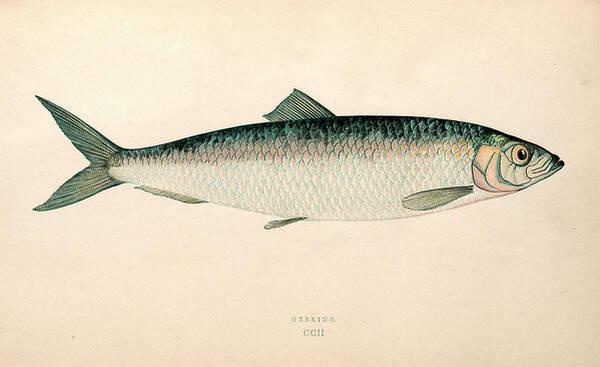
The global herring market is shaped by a combination of established seafood traditions and changing consumer expectations. Herring has long been used in different cuisines and is available in numerous forms, making it a versatile product for households and food businesses. Its use in traditional meals provides an established foundation for demand, while modern processing and packaging create opportunities to introduce it to new audiences. The industry includes several interconnected activities, such as fishing, sourcing, processing, storage, transportation, wholesale distribution, and retail sales. Each activity contributes to the way herring products reach consumers.
An important part of this industry is the development of smoked herring seafood, which offers a distinctive flavor and convenient preparation possibilities. Smoked herring can be served independently, added to salads, included in sandwiches, or incorporated into prepared meals. This flexibility allows manufacturers and food-service businesses to develop different product concepts. Smoked formats also demonstrate how traditional processing techniques can remain relevant in modern food markets when supported by suitable packaging, product presentation, and distribution.
Changing Seafood Consumption Patterns
Seafood consumption is influenced by household preferences, culinary traditions, product accessibility, and convenience. Consumers may select seafood based on taste, preparation requirements, availability, and familiarity with particular dishes. Herring benefits from its ability to fit into different meal types and preparation styles.
Traditional consumers may prefer recipes that have been passed down through families or are closely connected to regional food cultures. Other consumers may be more interested in trying new seafood products through restaurants, packaged meals, or contemporary recipes. These different preferences create opportunities for businesses to offer a wider selection.
The role of convenience is also becoming important in food purchasing decisions. Consumers with busy routines may prefer products that can be served quickly or prepared with minimal effort. Ready-to-eat herring, portioned products, and convenient packaged formats can help meet these expectations.
The Role of Food Processing
Processing allows the herring industry to serve customers with different storage and preparation requirements. Fresh herring is suitable for immediate cooking, while frozen products provide flexibility for later use. Smoking, salting, pickling, and canning create additional product categories with distinct characteristics.
Each processing method requires appropriate handling and quality-control practices. Businesses must consider raw material quality, processing conditions, packaging, storage, and transportation. Consistency is particularly important for companies supplying retailers, restaurants, and wholesale customers.
Manufacturers can also use processing as a way to differentiate products. Flavor combinations, marinades, portion sizes, and packaging styles can create variations suited to different consumer groups. Product innovation does not always require an entirely new category. Improvements in presentation and convenience can also make familiar herring products more attractive.
Retail and Food-Service Developments
Retail distribution is an important part of the global herring market. Supermarkets and grocery stores provide access to packaged and frozen seafood products, while specialty seafood retailers can offer a more focused selection. Online grocery platforms create another route through which consumers can discover and purchase packaged seafood.
The food-service sector offers additional opportunities. Restaurants can use herring in traditional dishes as well as contemporary menu concepts. Catering companies may include it in appetizers, cold platters, salads, and buffet selections. Food manufacturers can incorporate processed herring into prepared meals and other seafood-based products.
For these businesses, product consistency and dependable supply are important. Suppliers must understand the requirements of different buyers, including packaging preferences, product specifications, storage conditions, and delivery schedules.
Packaging and Product Presentation
Packaging can influence how consumers perceive and purchase herring products. Clear labeling helps customers understand the product type, preparation requirements, ingredients, and storage instructions. Attractive packaging can also improve visibility in crowded retail environments.
Different formats serve different needs. Smaller packages may appeal to individuals and smaller households, while larger formats can suit families and food-service buyers. Resealable packaging can offer practical benefits for products that are not consumed in one sitting.
Product presentation is especially useful when introducing herring to consumers who are unfamiliar with it. Serving suggestions and recipe ideas can demonstrate how the fish can be included in everyday meals.
Supply Chain Considerations
The herring supply chain depends on coordination between suppliers, processors, distributors, and retailers. Freshness and product quality require careful handling throughout the process. Storage conditions and transportation arrangements must be appropriate for the specific product format.
Businesses also need to manage sourcing requirements and maintain clear information about product origins. Transparent supply chain practices can help build confidence among commercial buyers and consumers.
Future Direction of the Global Herring Market
The global herring market has opportunities to develop through product innovation, wider distribution, and stronger connections with modern food preferences. Businesses can build on traditional demand while exploring convenient formats and new culinary applications.
Companies that understand regional consumption patterns may be able to create more relevant products for different customer groups. Investment in packaging, processing capabilities, and supply chain coordination can further support market participation.
Ultimately, the industry's direction will depend on its ability to balance traditional seafood appeal with changing expectations. Herring's versatility gives businesses a foundation for serving established markets while exploring new opportunities.
FAQs
Q1. What influences global demand for herring?
Demand is influenced by culinary traditions, consumer preferences, product availability, processing options, retail access, and the convenience of packaged seafood.
Q2. How can businesses make herring more appealing to new consumers?
Businesses can introduce convenient packaging, new flavors, modern recipes, clear product information, and easy-to-prepare product formats.
❤️ Support Friends Aim! View a sponsored ad to help cover our website costs. Thanks!
Support Us — Ad 1 Support Us — Ad 2- Arts, Culture & Design
- Automotive & Transport
- Accounting & Finance
- Advertising & Marketing
- Agriculture & Farming
- Business & Consulting
- Books & Publishing
- Building & Construction
- Beauty & Personal Care
- Baby, Kids & Parenting
- Charity & Social Causes
- Crafts & Handmade
- Careers & Jobs
- Computers & Laptops
- Consumer Electronics
- Entertainment & Events
- Food & Beverages
- Delivery & Logistics
- Digital Media & Content
- Dating & Relationships
- E-Commerce & Retail
- Education & Learning
- Energy & Environment
- Fitness
- Fashion & Apparel
- Gaming & Toys
- Government & Legal
- Gardening
- Health & Medical Care
- Home Decor & Furniture
- IT & Software
- Industrial & Tools
- Import & Export
- Jewelry & Watches
- Lifestyle & Wellness
- Legal Services & Law
- News & Media
- News & Current Affairs
- Religion & Faith
- Sports
- Technology
- Travel & Tourism
- Weddings & Events
- Other

 Arabic
 French
 Spanish
 Portuguese
 Deutsch
 Turkish
 Dutch
 Italiano
 Russian
 Romaian
 Portuguese (Brazil)
 Greek