


 About
 Terms
 Privacy
Finding Effective Solutions for Adult Acne and Recurring Breakouts
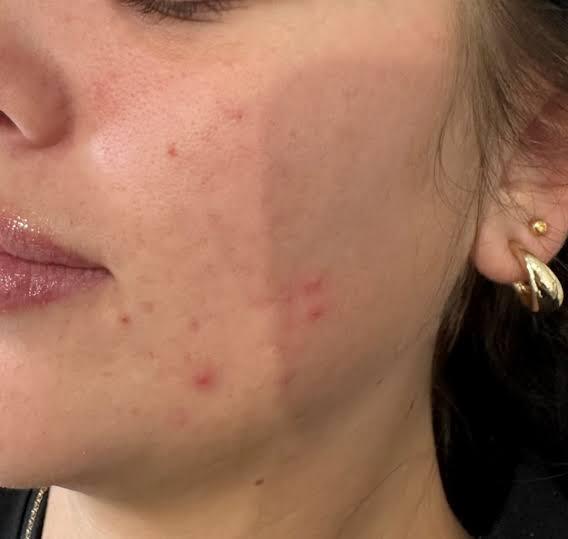
Adult acne is a common skin concern that can affect people well beyond their teenage years. Persistent pimples, clogged pores, inflamed bumps, and recurring breakouts can develop at different stages of adulthood. These concerns may affect the face, jawline, chin, forehead, chest, and back. Although acne is often associated with adolescence, adults can experience it because of hormonal fluctuations, stress, genetics, lifestyle habits, and environmental factors.
Finding the right approach requires understanding the underlying causes and choosing skincare methods that suit individual skin conditions. Modern dermatological care offers several ways to manage active acne, reduce inflammation, improve skin texture, and address acne marks. With appropriate guidance, individuals can develop a consistent skincare routine and explore professional treatments that support healthier-looking skin.
Understanding Adult Acne and Why It Develops
Adult acne occurs when hair follicles become blocked with excess oil, dead skin cells, and other impurities. These blockages can encourage bacterial growth and inflammation, resulting in different types of acne lesions. Unlike teenage acne, adult breakouts frequently appear around the lower face, particularly the chin and jawline.
Several factors can contribute to adult acne. Hormonal changes may increase oil production, while stress can influence hormones associated with skin inflammation. Certain skincare products, medications, and lifestyle habits may also contribute to recurring breakouts.
Genetics can play an important role in determining whether someone is more likely to develop persistent acne. People with a family history of acne may experience similar skin concerns during adulthood.
Understanding these contributing factors is important because effective Acne Treatment in Riyadh should address individual skin needs rather than relying on a single approach for everyone.
Common Types of Adult Acne
Adult acne can appear in several forms, and identifying the type of breakout helps determine suitable management options. Some individuals experience occasional pimples, while others develop persistent inflammatory acne that requires professional attention.
Whiteheads and Blackheads
Whiteheads develop when pores become blocked beneath the skin's surface. Blackheads form when blocked pores remain open and their contents become darker after exposure to air. Both are considered non-inflammatory acne.
Although these blemishes may seem mild, frequent congestion can affect skin texture and make the complexion appear uneven.
Papules and Pustules
Papules are small, inflamed bumps that may appear red and tender. Pustules are similar but contain visible pus, often appearing as white or yellow spots surrounded by redness.
These forms of acne can become more noticeable when the skin is irritated or when unsuitable skincare products are used.
Cystic and Nodular Acne
Cystic and nodular acne are more severe forms of inflammatory acne. They develop deeper within the skin and can cause painful, swollen lesions.
These breakouts may increase the risk of permanent scarring, particularly when squeezed or left without appropriate care. A dermatologist can assess their severity and recommend suitable treatment.
Major Causes of Recurring Adult Breakouts
Recurring acne often develops because multiple factors influence the skin simultaneously. Identifying these triggers can help individuals make better decisions about their skincare routines and professional treatment options.
Hormonal Fluctuations
Hormones called androgens can stimulate sebaceous glands to produce more oil. Increased oil production may contribute to blocked pores and inflammatory breakouts.
Hormonal acne is particularly common around the chin, jawline, and lower cheeks. Some adults notice that their breakouts become more frequent during periods of hormonal change.
Stress and Lifestyle Habits
Ongoing stress may influence hormonal activity and inflammatory responses, potentially worsening existing acne. Poor sleep and inconsistent daily routines can also make maintaining healthy skin more difficult.
Although lifestyle improvements cannot independently eliminate every type of acne, balanced habits can complement an appropriate treatment plan.
Skincare and Cosmetic Products
Heavy moisturizers, oily cosmetics, and unsuitable hair products may contribute to clogged pores in acne-prone individuals. Products that are not labelled non-comedogenic may increase the likelihood of congestion for some skin types.
Choosing lightweight skincare products and removing makeup before sleeping can help reduce unnecessary pore blockage.
Environmental Conditions
Heat, humidity, perspiration, and environmental pollutants may contribute to skin irritation and clogged pores. In Riyadh, exposure to dry air, dust, and outdoor environmental conditions can make appropriate skincare particularly important.
Gentle cleansing and regular moisturization help maintain the skin barrier without excessive irritation.
Effective Treatment Options for Adult Acne
Managing adult acne involves selecting treatments according to the type, severity, and underlying causes of breakouts. Some individuals respond well to topical skincare products, while others may require prescription medications or professional dermatological procedures.
Topical Acne Treatments
Topical products are commonly used to manage mild and moderate acne. Ingredients such as salicylic acid help remove dead skin cells and reduce pore congestion. Benzoyl peroxide helps reduce acne-associated bacteria, while topical retinoids encourage skin cell turnover and prevent blocked pores.
Azelaic acid is another option that may help improve acne and the appearance of post-inflammatory discoloration.
These products should be introduced carefully because excessive use can cause dryness, redness, and irritation. A dermatologist can recommend appropriate ingredients and application schedules based on individual skin sensitivity.
Oral Medications
Moderate to severe acne may require prescription medication when topical products do not provide sufficient improvement.
Depending on the individual's condition, dermatologists may consider oral antibiotics for limited periods, hormonal treatments for suitable patients, or isotretinoin for certain cases of severe acne.
These medications require professional assessment because they can have side effects and specific safety considerations. Isotretinoin, in particular, requires careful medical supervision and strict pregnancy-prevention precautions where applicable.
Chemical Peels
Chemical peels use carefully selected exfoliating ingredients to improve skin texture and reduce surface congestion. Depending on their formulation, they may help manage certain types of acne and improve the appearance of post-acne discoloration.
Salicylic acid and glycolic acid are among the ingredients used in professional peeling procedures.
The suitability of a chemical peel depends on skin type, acne severity, and sensitivity. Professional assessment is important to reduce the risk of irritation and unwanted pigmentation changes.
Laser and Light-Based Treatments
Certain laser and light-based procedures may help manage inflammatory acne or improve acne-related skin concerns. Different technologies target different aspects of acne, including inflammation, oil production, and skin texture.
However, results vary according to the technology used and the individual's condition. These procedures are not appropriate for every acne type and should be considered following a dermatological evaluation.
How to Build an Effective Skincare Routine for Acne-Prone Skin
A consistent skincare routine can support professional acne treatment and help reduce recurring breakouts. The goal is to keep the skin clean, hydrated, and protected without damaging its natural barrier.
Morning Skincare Routine
Start the day with a gentle cleanser that removes excess oil and overnight impurities without stripping the skin.
Apply a lightweight, non-comedogenic moisturizer to maintain hydration. Finish with broad-spectrum sunscreen with SPF 30 or higher to protect the skin from ultraviolet exposure.
Sun protection is especially important when using acne treatments that increase skin sensitivity.
Evening Skincare Routine
Cleanse the skin gently to remove makeup, sunscreen, sweat, and environmental impurities.
Apply prescribed or suitable acne treatments according to professional instructions. Follow with a moisturizer to reduce dryness and support the skin barrier.
Avoid combining multiple strong active ingredients without guidance, as this may increase irritation and make acne management more difficult.
Avoid Over-Exfoliation
Excessive exfoliation can damage the skin barrier and worsen redness, dryness, and sensitivity. Scrubbing acne-prone skin aggressively may also increase inflammation.
A gentle approach is generally more suitable than frequently changing products or using several exfoliating treatments simultaneously.
Preventing Recurring Acne and Future Breakouts
Preventing recurring acne requires consistency and attention to personal triggers. While some factors, such as genetics and hormonal changes, cannot always be controlled, everyday habits can support healthier skin.
Maintaining clean pillowcases, regularly washing makeup brushes, and avoiding frequent touching of the face can help limit unnecessary irritation and contamination.
People with acne-prone skin should choose non-comedogenic cosmetics and skincare products. It is also helpful to avoid squeezing pimples because doing so can increase inflammation and raise the risk of scarring.
Maintaining a balanced diet, getting sufficient sleep, and managing stress may support overall skin health. Some individuals notice that particular foods worsen their acne, although dietary triggers vary from person to person.
Consistency is essential because acne treatments often require several weeks before noticeable improvement occurs. Frequently switching products may interfere with progress and increase skin sensitivity.
When Should You Seek Professional Acne Treatment?
Professional dermatological advice is particularly important when acne becomes painful, persistent, widespread, or difficult to manage with basic skincare products.
Deep inflammatory breakouts can cause permanent scars if they are not treated appropriately. Adults experiencing recurring acne may also benefit from an assessment to identify possible hormonal or medication-related triggers.
A dermatologist can examine the skin, determine the type of acne, review medical history, and recommend suitable treatments. This personalized approach helps ensure that the selected procedures and products match the individual's skin condition.
Those exploring Acne Treatment in Riyadh can benefit from understanding the available medical and cosmetic options before deciding on a treatment plan.
Understanding Acne Treatment in Saudi Arabia
Skin concerns and treatment requirements can vary depending on individual skin characteristics, environmental exposure, and lifestyle habits. In Saudi Arabia, people may seek acne solutions that address active breakouts, oily skin, acne marks, and uneven skin texture.
Professional skincare services may include dermatological consultations, topical treatment recommendations, chemical peels, and selected advanced skin procedures.
Choosing a suitable treatment involves more than simply selecting a popular procedure. Skin sensitivity, acne severity, medical history, and previous treatment experiences should all be considered.
Acne Treatment in Riyadh can involve different approaches depending on whether the primary concern is active acne, recurring hormonal breakouts, clogged pores, or post-acne scarring.
It is important to have realistic expectations because acne improvement is usually gradual. Following professional instructions and maintaining an appropriate skincare routine can help support longer-term results.
Conclusion
Adult acne and recurring breakouts can be challenging, particularly when they continue despite regular skincare efforts. Understanding the causes, recognizing different acne types, and choosing appropriate treatment options are important steps toward healthier-looking skin. From topical products and prescription medications to chemical peels and selected laser procedures, several approaches may help manage acne and improve skin appearance.
A consistent skincare routine, suitable sun protection, and professional guidance can also make a meaningful difference in managing persistent breakouts. Since every individual's skin responds differently, personalized assessment remains an important part of successful acne care.
For individuals exploring Acne Treatment in Riyadh and broader skincare solutions, Enfield Royal Clinic Saudi is a name to consider when researching available aesthetic and dermatological care options in Saudi Arabia.
Frequently Asked Questions
1. What Is the Best Treatment for Adult Acne?
The most suitable treatment depends on acne severity, skin type, and underlying causes. Topical retinoids, salicylic acid, benzoyl peroxide, prescription medications, and selected professional procedures may help manage different forms of adult acne.
2. Why Do Adults Experience Recurring Acne Breakouts?
Recurring adult acne can develop because of hormonal fluctuations, genetics, stress, excess oil production, clogged pores, and unsuitable skincare products. Identifying personal triggers can help guide an appropriate treatment approach.
3. How Long Does Acne Treatment Take to Show Results?
Most acne treatments require several weeks before noticeable improvement occurs. Some treatments may take two to three months or longer to produce meaningful results, depending on the severity of acne and individual skin response.
4. Can Hormonal Acne Be Treated Effectively?
Hormonal acne can often be managed with appropriate topical treatments and, for suitable individuals, prescription hormonal medications. A dermatologist can assess the underlying factors and recommend a suitable approach.
5. Does Professional Acne Treatment Help Reduce Acne Scars?
Certain professional treatments, including chemical peels, microneedling, and selected laser procedures, may improve the appearance of acne scars. The appropriate option depends on scar type, skin tone, and individual skin condition.
6. How Can I Find Suitable Acne Treatment in Saudi Arabia?
Finding suitable acne care starts with identifying your skin type, acne severity, and treatment goals. A professional dermatological consultation can help determine whether topical products, prescription medications, or advanced skin procedures are appropriate for your condition.
❤️ Support Friends Aim! View a sponsored ad to help cover our website costs. Thanks!
Support Us — Ad 1 Support Us — Ad 2- Arts, Culture & Design
- Automotive & Transport
- Accounting & Finance
- Advertising & Marketing
- Agriculture & Farming
- Business & Consulting
- Books & Publishing
- Building & Construction
- Beauty & Personal Care
- Baby, Kids & Parenting
- Charity & Social Causes
- Crafts & Handmade
- Careers & Jobs
- Computers & Laptops
- Consumer Electronics
- Entertainment & Events
- Food & Beverages
- Delivery & Logistics
- Digital Media & Content
- Dating & Relationships
- E-Commerce & Retail
- Education & Learning
- Energy & Environment
- Fitness
- Fashion & Apparel
- Gaming & Toys
- Government & Legal
- Gardening
- Health & Medical Care
- Home Decor & Furniture
- IT & Software
- Industrial & Tools
- Import & Export
- Jewelry & Watches
- Lifestyle & Wellness
- Legal Services & Law
- News & Media
- News & Current Affairs
- Religion & Faith
- Sports
- Technology
- Travel & Tourism
- Weddings & Events
- Other

 Arabic
 French
 Spanish
 Portuguese
 Deutsch
 Turkish
 Dutch
 Italiano
 Russian
 Romaian
 Portuguese (Brazil)
 Greek