


 About
 Terms
 Privacy
The Anatomy of Subculture Branding: Textile Engineering and the New Era of Luxury Fashion Education
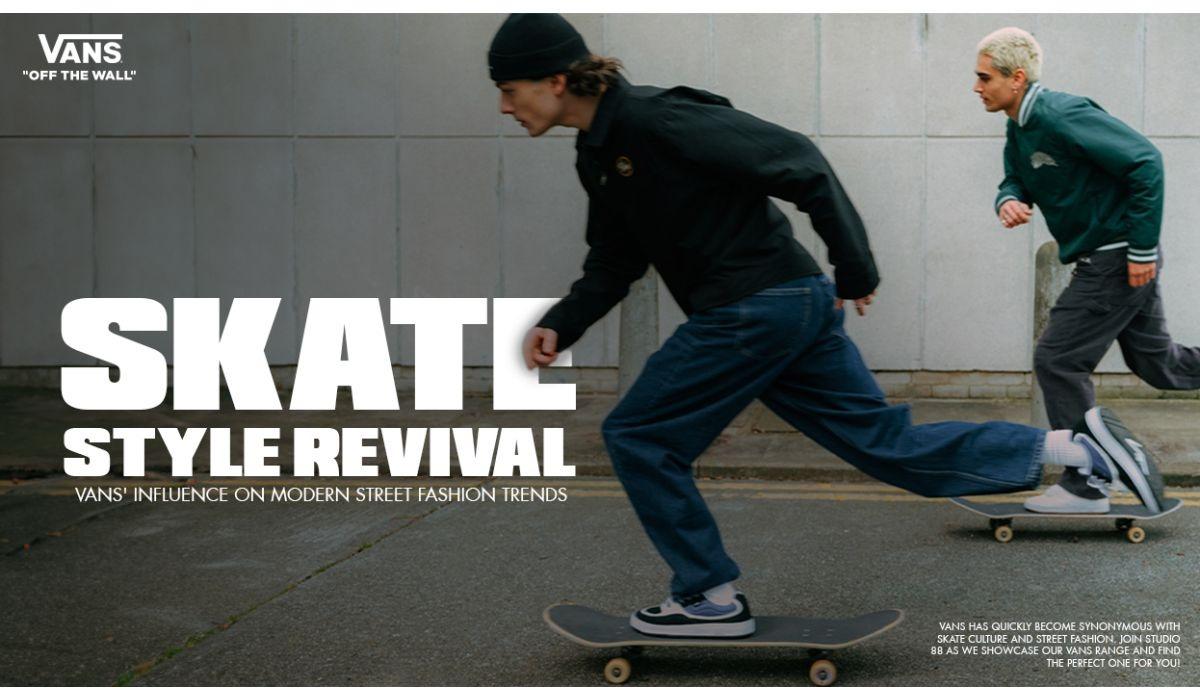
The traditional frameworks of fashion education have historically focused on the artistic expressions of haute couture and the rigid structures of classical tailoring. However, the contemporary retail ecosystem requires an entirely different academic lens. Today, fashion schools and industry analysts are shifting their focus toward the mechanics of subculture branding and advanced streetwear design. This evolution is driven by a consumer base that values structural integrity, cultural relevance, and casual utility over traditional formal wear. Understanding how everyday staples are elevated into highly coveted luxury artifacts provides an essential lesson in material science, consumer psychology, and modern wardrobe architecture.
Fabric Weight and the Engineering of the Structural Drape
In technical garment design, a common misconception is that minimalist fashion requires less engineering than avant-garde clothing. In reality, when a garment features clean lines and lacks loud graphics or intricate patterns, the entire visual success of the piece relies heavily on fabric engineering and pattern grading. Fashion students must master the relationship between fabric weight—measured in Grams per Square Meter—and structural drape.
Standard mass-market apparel typically utilizes low-grade cotton blends ranging between 180 and 240 GSM, which often cling to the body and lose shape after laundering. In contrast, premium subculture labels engineered a paradigm shift by utilizing ultra-heavyweight loopback cotton and brushed fleece, often exceeding 400 to 500 GSM. This extreme fabric density acts as a structural shell, allowing the garment to drop away from the human form rather than collapse against it. This unique architectural drape creates the distinctive boxy silhouette that defines the contemporary streetwear aesthetic, demonstrating that fabric choice is the true foundation of modern luxury design.
The Economics of Accessibility: Demystifying Essentials Fear Of God
From a luxury brand management perspective, the corporate strategy of market segmentation provides an exceptional case study for student entrepreneurs. The global success of Essentials Fear Of God serves as an industry blueprint for executing a premium diffusion line without destroying the prestige of a parent house. Historically, diffusion lines failed because corporations chose to lower production standards and plaster large logos across cheap fabrics.
The methodology behind Essentials Fear Of God turned this outdated corporate strategy on its head. Instead of compromising on the artistic identity of the mainline brand, the sub-label retained the core design principles: drop-shoulder patterns, custom neutral dyes, and muted branding elements. By focusing on volume manufacturing while retaining strict design discipline, the label successfully introduced luxury-level pattern-making to a broader demographic. This dynamic teaches fashion students an invaluable lesson in modern merchandising—true brand equity is sustained through aesthetic consistency and subcultural authenticity rather than artificial scarcity.
Geometric Pattern Making and Silhouette Geometry
To fully appreciate the evolution of modern street silhouettes, fashion institutions must break down the exact geometric shifts in pattern making. The industry has spent the last decade transitioning away from the slim-fit, hyper-tailored cuts of the early 2010s toward an era of exaggerated, relaxed proportions. This shift requires precise adjustments to pattern blocks to prevent garments from appearing sloppy or ill-fitting.
Key technical elements involved in constructing these relaxed silhouettes include:
Dropped armholes paired with shortened body lengths to maintain visual balance.
Center-back seam construction on heavy hoodies to prevent the fabric from pulling forward.
Seamless side panels that allow trousers to maintain a crisp vertical line down the leg.
Intentionally elongated waist draws to introduce functional vertical linear elements.
By manipulating these specific proportions, designers create silhouettes that look incredibly deliberate, proving that relaxed garments require an even higher level of pattern-making precision than traditional forms.
Global Streetwise Linguistics: Tracing the Influence of Spodnie Essentials
The democratization of global fashion networks means that local dialects and localized retail trends heavily influence international street style. When analyzing European streetwear distribution networks, particularly in thriving cultural hubs like Poland, Germany, and the Baltic states, regional styling preferences reveal a unique blend of utilitarian workwear and high-end athleisure. This regional integration is perfectly exemplified by the immense popularity of Spodnie Essentials within continental youth subcultures.
The widespread adoption of Spodnie Essentials, which translates to essential trousers, highlights a broader shift in how global consumers construct their daily outfits. In European design academies, students study how these specific garments act as the visual foundation for modern urban style. Unlike the styling methodologies seen in North American markets, European collectors frequently pair these heavy-fleece sweatpants with tailored wool topcoats, technical gore-tex shell jackets, or minimalist leather sneakers. This cross-cultural styling creates a fascinating contrast between casual luxury and structured utility, proving that a well-engineered basic transcending geographical boundaries can be reinterpreted by different cultures to create entirely unique visual narratives.
The Industrial Art of Custom Dyeing and Color Theory
Color theory in contemporary fashion education has evolved far beyond the basic matching of complementary shades on a color wheel. The modern luxury market is dominated by custom-dyed, low-saturation hues that require highly complex industrial chemistry to achieve. Brands have abandoned the traditional use of flat primary colors in favor of complex tone-on-tone palettes consisting of sage, taupe, cement, charcoal, and mud tones.
Achieving these precise shades requires advanced garment-dyeing techniques, where the completed piece is washed in pigment after construction rather than using pre-dyed fabrics. This industrial process allows the dye to settle naturally around heavy seams and stitching lines, creating subtle high-and-low tonal shifts throughout the garment. For student designers, understanding garment-dyeing is crucial because it adds a sense of organic depth and vintage character to simple silhouettes. This meticulous approach to color ensures that items look premium under various lighting conditions, making the color palette itself a recognizable brand signature.
The Intersection of Sustainability and the Capsule Wardrobe
As environmental accountability becomes an undeniable priority within global fashion curriculums, design institutions are leveraging minimalist philosophy to advocate for sustainable consumer habits. The traditional fast-fashion cycle depends on producing cheap, trendy items designed to be discarded after a few wears. Elevating basics to a luxury standard presents a powerful counter-strategy: the creation of a permanent capsule wardrobe.
When a brand focuses on timeless cuts, durable heavy fabrics, and versatile earth tones, it creates a product that exists outside the volatile trend cycle. Consumers are encouraged to purchase fewer, higher-quality garments that can be seamlessly mixed and matched over multiple seasons. This educational framework redefines sustainability from an abstract corporate policy into an active design methodology. By engineering garments built to endure both physical wear and changing seasonal trends, modern designers can actively reduce the global textile footprint while maintaining commercial success.
Academic Conclusions on the Future of Contemporary Design
The systematic integration of sportswear engineering into luxury fashion institutions marks a permanent evolution in how design is taught and executed. The boundary lines that once separated high-end tailoring from street-level sportswear have dissolved entirely, leaving behind a sophisticated design landscape focused on material weight, silhouette engineering, and cultural resonance.
By dissecting the global distribution networks of sub-labels like Essentials Fear Of God, analyzing the cross-cultural adoption of technical legwear like Spodnie Essentials, and studying the meticulous chemistry behind garment-dyeing, the next generation of fashion minds will be well-equipped to navigate the commercial market. The ultimate lesson of modern fashion education is clear: true luxury is no longer defined by superficial ornamentation, but by the flawless harmony of comfort, construction, and structural purity.
❤️ Support Friends Aim! View a sponsored ad to help cover our website costs. Thanks!
Support Us — Ad 1 Support Us — Ad 2- Arts, Culture & Design
- Automotive & Transport
- Accounting & Finance
- Advertising & Marketing
- Agriculture & Farming
- Business & Consulting
- Books & Publishing
- Building & Construction
- Beauty & Personal Care
- Baby, Kids & Parenting
- Charity & Social Causes
- Crafts & Handmade
- Careers & Jobs
- Computers & Laptops
- Consumer Electronics
- Entertainment & Events
- Food & Beverages
- Delivery & Logistics
- Digital Media & Content
- Dating & Relationships
- E-Commerce & Retail
- Education & Learning
- Energy & Environment
- Fitness
- Fashion & Apparel
- Gaming & Toys
- Government & Legal
- Gardening
- Health & Medical Care
- Home Decor & Furniture
- IT & Software
- Industrial & Tools
- Import & Export
- Jewelry & Watches
- Lifestyle & Wellness
- Legal Services & Law
- News & Media
- News & Current Affairs
- Religion & Faith
- Sports
- Technology
- Travel & Tourism
- Weddings & Events
- Other

 Arabic
 French
 Spanish
 Portuguese
 Deutsch
 Turkish
 Dutch
 Italiano
 Russian
 Romaian
 Portuguese (Brazil)
 Greek