


 About
 Terms
 Privacy
Professional Landscapers Abu Dhabi: How to Hire the Right Team
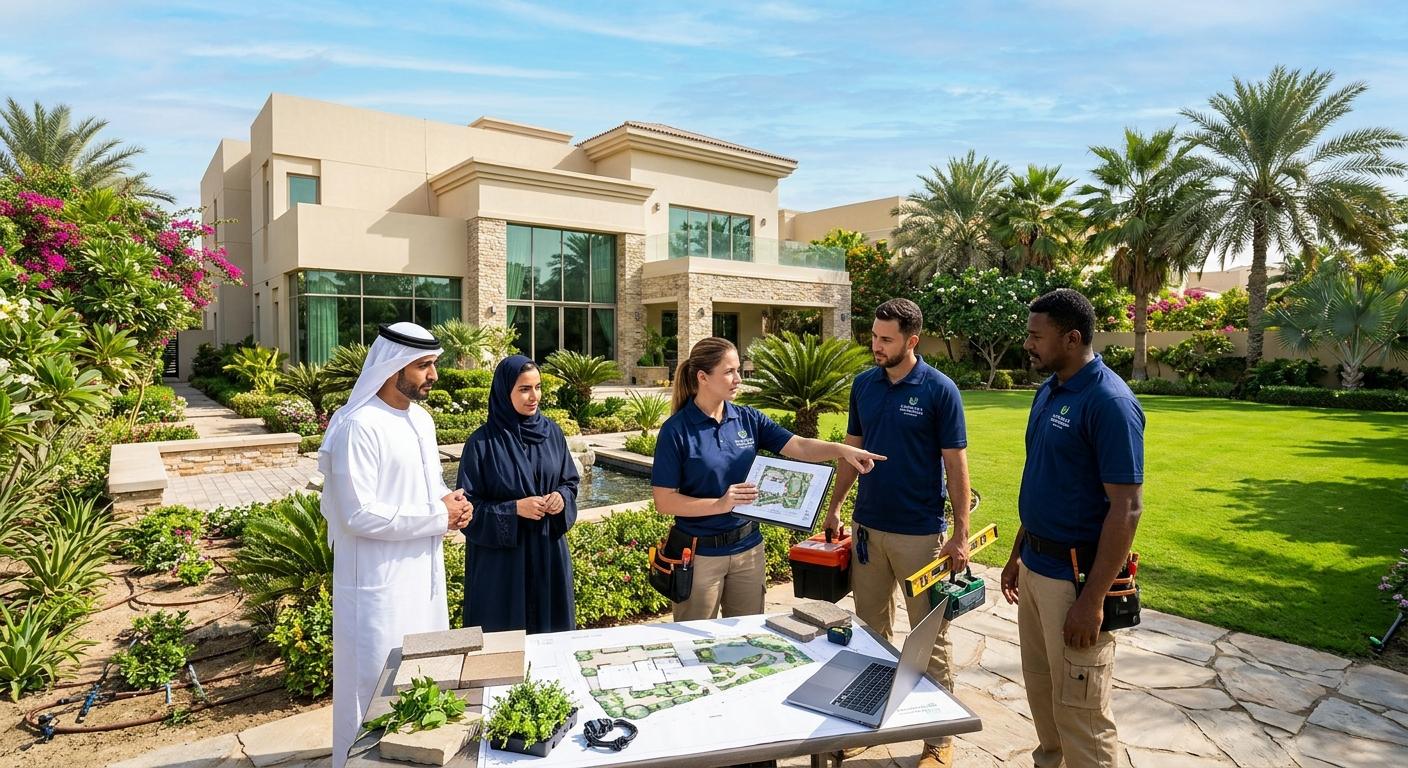
You have a blank courtyard, a tired lawn, or a backyard that never quite matches the rest of your villa. You know it could look better, but the questions pile up fast. Who should design it? What will it cost? Which plants will actually survive a UAE summer? And how do you avoid paying twice because the first contractor cut corners?
These are the exact worries that lead homeowners and property managers to search for professional landscapers Abu Dhabi can trust. The right team does far more than plant a few shrubs. They read the site, understand the climate, manage water wisely, and build an outdoor space that still looks good years after the last worker leaves.
In this guide, we explain what landscaping professionals actually do, the main types of services, the benefits, the factors that separate great providers from average ones, and a practical process for choosing. At Atlanta Pools, we work on outdoor spaces every day, so the advice below comes from real project experience. Let us begin with the basics.
What Is Professional Landscaping?
Professional landscaping is the planned design, construction and care of outdoor spaces using plants, hard surfaces, water, lighting and structures. It blends art and engineering. A good landscape looks natural and inviting, yet behind the scenes it relies on soil preparation, drainage planning, irrigation layout, plant science and careful scheduling.
It helps to separate three related activities that people often mix up:
- Landscape design: the concept stage, where layouts, plant palettes, materials and features are planned on paper or in 3D.
- Landscape construction: the physical build, including grading, paving, planting, irrigation, lighting installation and structures such as pergolas.
- Landscape maintenance: the ongoing care that keeps everything healthy and attractive after installation.
An amateur approach often skips straight to planting. Experienced teams start with a site survey and a clear brief. They measure the plot, note sun and shade patterns, test the soil, check where water will flow, and ask how you actually want to use the space. A family with young children needs a very different garden from a couple who loves entertaining on weekends.
In the UAE, the climate raises the stakes. Summer heat regularly passes 45°C, humidity can be heavy along the coast, rainfall is rare, and soils tend to be sandy with high salinity. Irrigation water may also carry dissolved salts. Plants chosen purely for looks in a catalogue can fail within a season. This is why local knowledge is the single most valuable thing a landscaping team can bring.
Types of Landscaping Services Available
Landscaping is a broad field, and most companies offer a mix of services. Knowing the categories helps you ask for exactly what you need.
Residential Garden Design
This covers villas, townhouses and private estates. Designers plan lawns, borders, seating areas, shade structures and play zones. The best designs balance beauty with ease of care, so the garden does not become a burden. If you want a deeper look at how design projects are planned and delivered, this complete landscaping design guide walks through the process in detail.
Softscape Installation
Softscape refers to living elements: turf, trees, palms, shrubs, groundcovers, seasonal flowers and climbers. Installation includes soil improvement, planting at the correct depth and spacing, mulching and establishing the first watering schedule. Getting this stage right determines how well plants root and grow.
Hardscape Construction
Hardscape means the non-living features: pavers, stone paths, retaining walls, steps, decking, edging, pergolas, outdoor kitchens and fire pits. These elements give a garden structure and make it usable in the evenings and cooler months.
Irrigation Systems
Efficient irrigation is the backbone of a desert landscape. Services include drip systems for beds and shrubs, zoned sprinklers for lawns, smart controllers, rain or soil sensors, and repair of existing networks. Proper zoning ensures each plant group receives what it needs without waste.
Outdoor Lighting
Well-planned lighting extends the life of your garden into the evening. It highlights trees, defines paths, adds safety and creates atmosphere. Low-voltage LED systems are popular because they are efficient and flexible.
Water Features and Pool Surrounds
Fountains, waterfalls, ponds and swimming pools are common additions. Landscaping around water demands extra planning, because leaf drop, splash, chemical exposure and slip risk all influence plant and material choices.
Commercial and Community Landscaping
Hotels, offices, schools, compounds and retail spaces all use landscaping to create a good first impression. These projects usually involve larger scales, tighter schedules and stricter maintenance standards.
Ongoing Maintenance Programmes
Many providers offer scheduled visits for mowing, pruning, feeding, pest checks and seasonal planting. A maintenance contract protects the money you invested in construction and keeps the landscape performing.
Benefits of Hiring Experienced Landscaping Professionals
Some owners are tempted to handle the work themselves or hire a general labour crew. That can work for very small jobs, but for most villas and commercial sites, expert help pays for itself.
A design that actually suits your lifestyle. Professionals ask the right questions before drawing anything. They consider traffic flow, privacy, shade, maintenance time and budget, so the finished space works as well as it looks.
Plants that survive and thrive. Local specialists know which species handle heat, wind and salinity. They avoid costly replacements by choosing varieties with a strong track record in the region.
Smarter water use. Correct plant grouping, drip irrigation, mulching and well-calibrated timers cut waste. Over a year, the savings on water bills can be significant.
Higher property value. Buyers and tenants respond strongly to curb appeal. A mature, well-designed landscape signals that a property has been looked after.
Fewer mistakes and rework. Poor drainage, badly placed trees, weak foundations for paving and faulty irrigation are expensive to fix later. Experienced teams get the fundamentals right the first time.
Proper permits and coordination. For larger projects, professionals understand community guidelines, approvals and the sequencing of trades, so your project does not stall over avoidable paperwork.
Long-term support. The best companies stand behind their work with warranties on plants and workmanship, plus advice on aftercare.
Less stress. Managing multiple contractors, deliveries and deadlines is tiring. A single accountable team takes that burden off your shoulders.
Key Features and Factors That Matter
Not all landscaping companies are equal. When you compare providers, look at the following factors carefully.
Local Climate Expertise
Ask how the company handles heat stress, salty soil and water restrictions. A confident answer should include specific plant names, soil amendment methods and seasonal planting calendars. Vague replies are a warning sign.
Design Ability and Visual Communication
Good providers present ideas through sketches, 3D renders or mood boards. This helps you picture the final result and make changes before work begins, which is far cheaper than changing things on site.
Portfolio and References
Review completed projects similar to yours in size and style. Better still, ask to speak with past clients. Reliable companies are usually happy to share examples.
Team Skills and Equipment
Landscaping involves horticulturists, irrigation technicians, masons, electricians and supervisors. A company with trained in-house staff and suitable machinery generally delivers more consistent quality than one that outsources every task.
Material Quality
Turf, pavers, stone, lighting fixtures and irrigation components all vary widely in quality. Ask what brands and grades are being used, and how they perform in strong sun and high humidity.
Transparent Pricing
A clear quotation lists quantities, materials, labour and timelines. Be cautious of prices that are far below the market, because shortcuts often appear later as dead plants, uneven paving or leaking pipes.
Warranty and Aftercare
Find out what is covered, for how long, and what you need to do to keep the warranty valid. Aftercare guidance on watering and feeding in the first months is especially important for new plantings.
Sustainability Practices
Water-wise design, native and adapted plants, efficient lighting and responsible waste handling reduce running costs and environmental impact. Providers who plan with sustainability in mind usually deliver landscapes that are cheaper to maintain.
How to Choose the Right Landscaping Company
Choosing carefully at the start prevents most of the problems that homeowners later regret. A simple step-by-step approach works well.
Step 1: Define your goals and budget. Write down how you want to use the space, which features you must have, and which are optional. Decide on a realistic budget range, including a small reserve for unexpected items.
Step 2: Shortlist three or four providers. Use recommendations, online reviews, and portfolio visits to build a short list. Avoid contacting too many companies, because comparing every detail becomes confusing.
Step 3: Arrange site visits. A serious company will want to see the property before quoting. They should measure, photograph, ask questions and discuss constraints such as access, utilities and community rules.
Step 4: Compare proposals line by line. Place quotations side by side. Check scope, materials, timeline, payment schedule, warranty and maintenance terms. The cheapest option is rarely the best value.
Step 5: Ask about the schedule and project management. Find out who will supervise daily work, how progress will be reported and how changes are handled. Clear communication is a strong predictor of a smooth project.
Step 6: Review the contract carefully. Make sure the agreed scope, drawings, payment milestones and completion date are written down before work starts.
Step 7: Plan aftercare from day one. Decide who will maintain the landscape once it is complete. Newly planted gardens need close attention for the first few months, and a good handover includes watering instructions and a seasonal care plan.
Red Flags to Watch For
Some warning signs are easy to spot if you know what to look for: no written quotation, pressure to pay a large deposit upfront, no references, no clear answer about plant choices, and unwillingness to visit the site. If several of these appear together, move on.
Questions Worth Asking Every Contractor
Before signing, ask each company a few direct questions. How many similar projects have you completed in the last two years? Who will actually be on site every day? How do you protect plants during the first summer? What happens if a plant fails within the warranty period? How do you deal with delays caused by weather or material shortages? The quality of the answers usually tells you more than any brochure.
Applications and Uses of Professional Landscaping
Landscaping serves many purposes beyond decoration. Here are some of the most common real-life applications.
Family villas. A well-planned garden gives children safe space to play and adults a shaded place to relax. Features like turf areas, fruit trees, herb beds and barbecue corners turn the backyard into an extension of the home.
Entertaining spaces. Outdoor kitchens, lounge areas, ambient lighting and screening plants create a setting for dinners and celebrations. Winter evenings in the UAE are ideal for hosting outdoors, and a good design makes the most of them.
Poolside environments. Landscaping around a swimming pool needs thoughtful planting and clear circulation. Non-slip paving, shade, privacy hedges and low-litter plants make the area safer and easier to maintain.
Privacy and noise reduction. Dense hedges, tall palms, trellises and walls can shield a villa from neighbours or traffic, giving you a calmer, more private outdoor retreat.
Cooling and comfort. Trees, pergolas and shaded seating can lower the felt temperature of a patio or courtyard. Smart placement of vegetation also reduces heat gain on walls and windows.
Commercial entrances and public areas. Hotels, offices and retail destinations rely on landscaping to make strong first impressions. Well-maintained greenery shapes how visitors perceive a brand.
Boosting resale and rental appeal. A tidy, attractive garden makes a property easier to market. Owners often see better interest and quicker decisions when the outdoor space looks cared for.
Landscape Trends Worth Considering
Several design trends are shaping modern outdoor spaces in the UAE. Water-wise planting, which uses drought-tolerant species and drip irrigation, remains a priority. Layered lighting is increasingly popular because it makes gardens usable after dark and highlights architectural features. Homeowners are also asking for mixed-use zones, such as a lounge area that flows into a kitchen garden or a quiet reading corner beside a feature wall. Natural materials like stone, timber and gravel add warmth and texture, while artificial turf is sometimes used in small, shaded areas where grass struggles. A good landscaper will advise which trends suit your property and which would create unnecessary upkeep.
Plants That Perform Well Locally
Plant choice shapes both the look and the maintenance burden of a landscape. Date palms, ghaf trees and acacias provide structure and shade. Bougainvillea, lantana, oleander and hibiscus deliver colour with reasonable heat tolerance. Succulents such as agave and aloe suit sunny beds with minimal watering. Ground covers like trailing gazania and sea lavender fill gaps and reduce bare soil. For lawns, warm-season grasses such as Bermuda and paspalum are common choices. The ideal palette depends on exposure, wind, water quality and the style you want, so always ask for a written plant list with each proposal.
Planning Your Landscape Budget
Budgets vary enormously, so it helps to think in layers. The first layer is essential infrastructure: grading, drainage, irrigation, electrical conduits and structural work. These items are rarely visible, but they decide whether the landscape will perform over time. The second layer is the main visual content, including plants, paving and major features. The third layer is finishing touches such as accent lighting, decorative planters and furniture. If funds are limited, protect the first layer and phase the rest. Many owners complete the core installation first, then add lighting, decor and extra planting later, once the budget allows.
Why Choose Atlanta Pools for Your Outdoor Project?
Atlanta Pools approaches every project as a complete outdoor environment rather than a list of isolated tasks. Our focus is on spaces that look refined, work efficiently and remain easy to live with, whether you are upgrading a compact courtyard or reshaping a large villa plot.
What makes our approach different is integrated experience. Our background in pools and water-related outdoor construction gives us a practical understanding of drainage, structural loads, surface materials and how landscapes behave around water. That knowledge matters when a garden, terrace and swimming area need to work as one coherent design.
With Atlanta Pools, clients benefit from:
- A clear initial consultation that listens to your needs before proposing solutions
- Climate-appropriate planting and water-efficient irrigation planning
- Quality materials chosen for strong sun, humidity and everyday use
- Transparent quotations and realistic schedules
- Dependable communication from first visit to final handover
- Practical aftercare advice that protects your investment
We also believe that honest advice builds long relationships. If a feature will be expensive to maintain or does not suit your site, we will tell you directly and suggest better alternatives. Our aim is to help you enjoy your outdoor space for years, not just on handover day.
Conclusion
A beautiful landscape is the result of good planning, the right plants, smart water management and skilled execution. Hiring professional landscapers in Abu Dhabi gives you access to local knowledge, trained crews and proven methods that reduce risk and deliver better long-term value. By defining your goals, comparing proposals carefully, checking portfolios and asking the right questions, you can avoid common pitfalls and choose a partner who will do the job properly.
Remember the essentials: start with a clear brief, insist on a detailed written scope, choose plants suited to local conditions, protect the hidden infrastructure, and plan aftercare from the start. Do these things, and your outdoor space will reward you for many years.
If you are ready to turn your plot into a space you will love, plan your outdoor transformation with our team today.
Frequently Asked Questions (FAQs)
How much do professional landscapers charge in Abu Dhabi?
Pricing depends on plot size, design complexity, materials, plant selection and extras such as lighting or irrigation. Small refreshes cost far less than full redesigns with hardscape and water features. The most reliable way to learn the cost is to request a site visit and a detailed written quotation.
How long does a typical landscaping project take?
Small gardens may be completed in a few weeks, while large villa projects with paving, structures and extensive planting can take a few months. Design approvals, material delivery and weather can affect the schedule, so ask for a realistic timeline in writing.
When is the best time to start landscaping in Abu Dhabi?
The cooler months, roughly from October to March, are ideal for planting because plants establish roots more easily without extreme heat. Design and planning can start earlier so that construction begins at the right moment.
Do I need maintenance after the landscape is installed?
Yes. Even a well-designed landscape needs regular watering checks, pruning, feeding, pest monitoring and seasonal care. A maintenance plan protects your investment and keeps the garden looking its best.
Can a landscaping company also design the area around my swimming pool?
Yes, and it is often the smartest option. A team that understands both landscaping and pool environments can coordinate paving, planting, drainage and lighting so the whole area works smoothly and safely.
❤️ Support Friends Aim! View a sponsored ad to help cover our website costs. Thanks!
Support Us — Ad 1 Support Us — Ad 2- Arts, Culture & Design
- Automotive & Transport
- Accounting & Finance
- Advertising & Marketing
- Agriculture & Farming
- Business & Consulting
- Books & Publishing
- Building & Construction
- Beauty & Personal Care
- Baby, Kids & Parenting
- Charity & Social Causes
- Crafts & Handmade
- Careers & Jobs
- Computers & Laptops
- Consumer Electronics
- Entertainment & Events
- Food & Beverages
- Delivery & Logistics
- Digital Media & Content
- Dating & Relationships
- E-Commerce & Retail
- Education & Learning
- Energy & Environment
- Fitness
- Fashion & Apparel
- Gaming & Toys
- Government & Legal
- Gardening
- Health & Medical Care
- Home Decor & Furniture
- IT & Software
- Industrial & Tools
- Import & Export
- Jewelry & Watches
- Lifestyle & Wellness
- Legal Services & Law
- News & Media
- News & Current Affairs
- Religion & Faith
- Sports
- Technology
- Travel & Tourism
- Weddings & Events
- Other

 Arabic
 French
 Spanish
 Portuguese
 Deutsch
 Turkish
 Dutch
 Italiano
 Russian
 Romaian
 Portuguese (Brazil)
 Greek