


 About
 Terms
 Privacy
Retail Packaging for Brands Moving From Online Sales to Wholesale Accounts
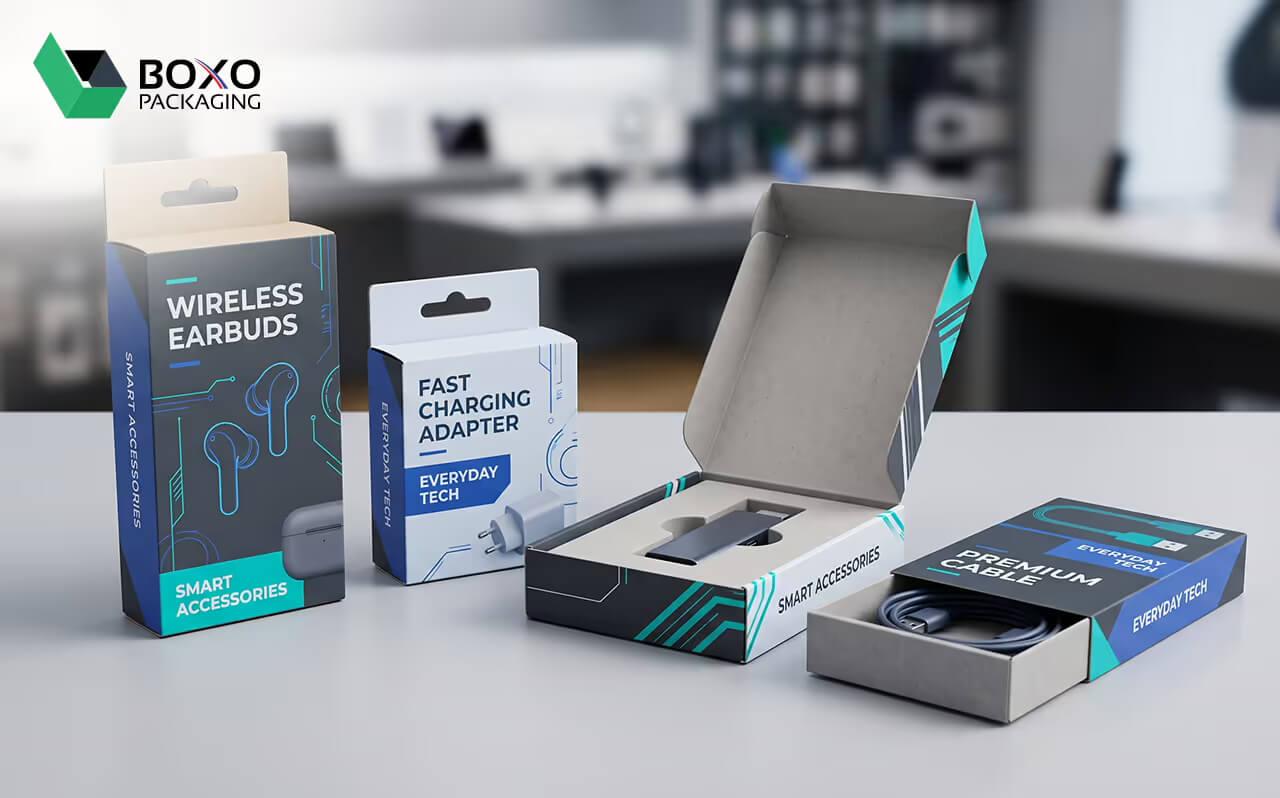
Selling direct gives you control over every parcel, but wholesale accounts bring new demands. Buyers expect cases that stack, labels that scan and cartons that look identical from the first delivery to the tenth. Planning Retail Packaging for wholesale means shifting from one customer at a time to many shops at once. These checks cover what to measure, test and ask before you order.
What Changes When a Shop Becomes the Customer
An online customer sees one box at home. A shop manager sees a pallet, unpacks dozens of units and judges the brand on consistency and ease of handling.
Visit a stockist or ask a buyer how they receive and shelve new lines. Note how cases are opened, where stock is stored and what slows staff down. Those details should shape your box size, strength and labelling before artwork is approved.
Matching Unit Boxes to Outer Cases
A unit box only works if it fits neatly into the case that carries it. Measure the filled unit at its longest, widest and tallest points, then work out how many fit in a case with no gaps and no squeezing.
Write the internal dimensions in the order length, width, height so nobody reads them back to front when the order is placed. Pack a sample case and shake it gently. Any rattling means the layout or case size needs adjusting.
Barcodes, Batch Details and Case Labels
Wholesale buyers scan, count and track stock, so clear information matters as much as design. Leave a flat, uncluttered area for the barcode on each unit, away from folds and heavy ink.
Print a sample and scan it with a phone before approving artwork. Decide what the outer case should show, such as product name, unit count and reorder reference. Rules on labelling differ by region and by product type, so check the current requirements for your market. This is general information, not legal advice.
Checking Consistency Across Large Orders
Over a big run, small variations in size or colour become easier to see. Keep one approved box as a reference in a dry place, away from direct sunlight.
When a delivery arrives, pull several boxes from different cartons and compare them with the reference in daylight. Measure the internal size with a steel rule and check the print colour. Avoid printing material or environmental claims unless your supplier can show you evidence you can verify.
Four Details to Confirm Before You Request a Quote
Send these together and your quote will be quicker and easier to compare:
- The internal length, width and height, measured around your finished product
- The board strength needed for the filled weight and the stacking height
- The print colours, finishes and the space reserved for the barcode
- Your first wholesale order quantity, delivery address and expected reorder timing
Proving the Box Before Your First Trade Order
A flat drawing cannot show how a carton behaves in a stockroom or on a pallet. At Boxo Packaging, the process starts with you sending over your product, so the fit is judged against the real item. You then request samples, test them with your own cases, handling and posting routine, and review the fit, print and structure together. Production begins only once you are satisfied, which makes it easier to settle on Retail Packaging that suits your wholesale accounts.
A smooth move into wholesale comes from boxes that fit their cases, scan cleanly and stay consistent from one delivery to the next. Boxo Packaging supports that careful, sample-first approach, so every stockist receives cartons that look and behave the same way.
Tray and Sleeve Boxes for Brands Selling Chocolates and Confectionery
A box of chocolates is judged by its lid before anyone tastes a thing. Sweets are fragile, sensitive to warmth and easy to mark, so the carton has to look generous and keep every piece in place. Choosing Tray and Sleeve Boxes for confectionery means planning for padding, temperature and a reveal that feels like a treat. These checks cover what to measure, test and ask before you order.
Why Chocolates Are Fussy About Their Surroundings
Chocolate scuffs, melts and picks up smells from nearby materials. A tray that rubs the surface leaves dull patches, and a warm room can leave white marks or soft centres.
Measure a typical piece at its widest, longest and tallest points, including any decoration or dusting. Write the internal dimensions in the order length, width, height so nobody reads them back to front when the order is placed. Allow for paper cases or dividers, because they add thickness.
Holding Each Piece in Its Own Space
Loose chocolates slide, knock together and arrive chipped. Paper cups, board dividers and moulded trays each keep pieces apart in a different way.
Fill a sample with real sweets, slide the sleeve on and shake the box gently. Then tilt it, as a postal journey might, and open it carefully. Check for smudged surfaces, broken edges and crumbs. Any movement shows where the layout needs adjusting.
Warmth, Scent and Grease Marks
Chocolate and fillings can leave oily marks on plain board, and strong flavours can spread through a closed carton. Leave a filled sample in a warm room for an hour and inspect the base and corners for stains or soft patches.
Smell the inside after a few days. If scents have blended, ask your supplier about liners or a tighter fit. Where boxes will touch food directly, rules differ by region, so check the current requirements for your market. This is general information, not legal advice.
Getting the Sleeve to Slide Smoothly
The sleeve is the first thing a customer touches, so it must glide without sticking. Slide it on and off twenty times and check for scuffs on the tray and creases on the sleeve.
Hold the closed box upside down and shake it gently to confirm the sleeve stays put. A ribbon pull or thumb notch can help the tray come out cleanly. Ask for a printed sample and check that gold or foil details do not flake. Avoid printing material or safety claims unless your supplier can show you evidence you can verify.
Four Details to Confirm Before You Request a Quote
Send these together and your quote will be quicker and easier to compare:
- The internal length, width and height of the tray, including any dividers or cases
- The insert or divider style needed to hold each piece apart
- The print colours, finishes and any foil or embossing, with their positions
- Your first order quantity and the reorder volumes you expect
Trying Real Sweets Before Production Begins
A flat drawing cannot show how a sleeve feels or how a chocolate sits in its space. At Boxo Packaging, the process starts with you sending over your product, so the fit is judged against the real item. You then request samples, test them with your own fillings, packing and posting routine, and review the fit, print and reveal together. Production begins only once you are satisfied, which makes it easier to settle on Tray and Sleeve Boxes that suit your collection.
A good confectionery box keeps every piece apart, stays clean under warmth and opens with a smooth reveal. Boxo Packaging supports that careful, sample-first approach, so every box reaches its recipient looking as tempting as it did in your kitchen.
❤️ Support Friends Aim! View a sponsored ad to help cover our website costs. Thanks!
Support Us — Ad 1 Support Us — Ad 2- Arts, Culture & Design
- Automotive & Transport
- Accounting & Finance
- Advertising & Marketing
- Agriculture & Farming
- Business & Consulting
- Books & Publishing
- Building & Construction
- Beauty & Personal Care
- Baby, Kids & Parenting
- Charity & Social Causes
- Crafts & Handmade
- Careers & Jobs
- Computers & Laptops
- Consumer Electronics
- Entertainment & Events
- Food & Beverages
- Delivery & Logistics
- Digital Media & Content
- Dating & Relationships
- E-Commerce & Retail
- Education & Learning
- Energy & Environment
- Fitness
- Fashion & Apparel
- Gaming & Toys
- Government & Legal
- Gardening
- Health & Medical Care
- Home Decor & Furniture
- IT & Software
- Industrial & Tools
- Import & Export
- Jewelry & Watches
- Lifestyle & Wellness
- Legal Services & Law
- News & Media
- News & Current Affairs
- Religion & Faith
- Sports
- Technology
- Travel & Tourism
- Weddings & Events
- Other

 Arabic
 French
 Spanish
 Portuguese
 Deutsch
 Turkish
 Dutch
 Italiano
 Russian
 Romaian
 Portuguese (Brazil)
 Greek