


 About
 Terms
 Privacy
How Can Professional Noisy Garage Door Silencing Services in Rockwall, TX, Make Your Garage Door Quieter?
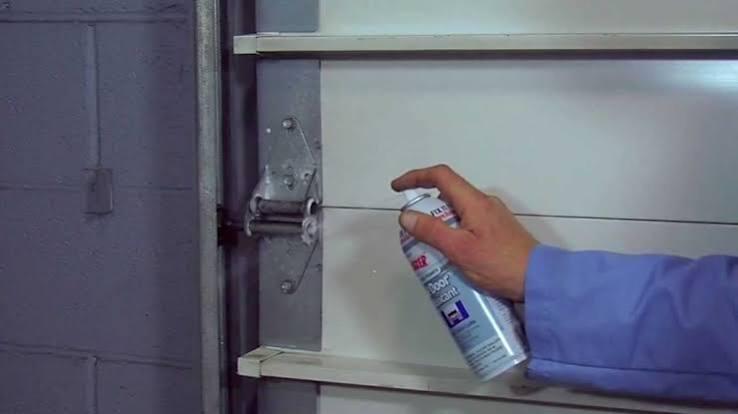
An unexpectedly loud garage door can disturb your household, interrupt your daily routine, and indicate that some components need attention. Experienced Noisy Garage Door Silencing in Rockwall TX involves identifying the source of unwanted sounds, inspecting moving components, correcting mechanical problems, and applying appropriate maintenance techniques. Whether your garage door produces squeaking, grinding, rattling, or vibrating noises, understanding the cause is the first step toward restoring quieter operation.
Homeowners may notice that their garage doors become louder over time because of worn rollers, loose hardware, insufficient lubrication, track misalignment, or opener-related problems. Ignoring these warning signs can lead to additional wear and potentially unsafe operation.
This guide explains common garage door noises, practical troubleshooting steps, repair options, estimated costs, and the differences between routine maintenance and professional noise repair.
Why Does a Garage Door Become Noisy?
A garage door operates through several interconnected components, including rollers, hinges, springs, cables, tracks, brackets, and an electric opener. When one or more components become worn, loose, or improperly adjusted, the door may produce unusual sounds.
Understanding the noise can help identify the potential problem.
|
Garage door noise |
Possible cause |
Recommended action |
|
Squeaking |
Dry hinges or rollers |
Appropriate lubrication or component inspection |
|
Grinding |
Worn rollers or track problems |
Inspect rollers and track alignment |
|
Rattling |
Loose nuts, bolts, or brackets |
Check and secure hardware |
|
Banging |
Door movement or spring-related issues |
Professional mechanical inspection |
|
Vibrating |
Loose opener or mounting hardware |
Inspect mounting points |
|
Popping |
Spring or hinge movement |
Professional inspection |
Not every noise indicates a serious mechanical failure. However, sudden changes in sound, uneven movement, or unusual vibrations should not be ignored.
What Are the Most Common Causes of a Noisy Garage Door?
Before arranging Noisy Garage Door Repair Rockwall TX, it helps to understand which components may be responsible for the problem.
1. Worn or Damaged Garage Door Rollers
Rollers help the garage door move along its tracks. Over time, metal rollers can become worn, develop rough surfaces, or produce additional friction.
Common warning signs include:
· Repeated squeaking during operation.
· Grinding sounds while opening or closing.
· Uneven door movement.
· Increased vibration near the tracks.
Replacing damaged rollers with suitable nylon rollers may help reduce operating noise. However, roller selection should match the garage door system and its weight requirements.
2. Insufficient Lubrication
Moving metal components require appropriate lubrication to reduce friction. Hinges, roller bearings, and other designated moving parts may become noisy when they are dry.
Garage Door Lubrication Services Rockwall TX can help address friction-related sounds by applying garage-door-compatible lubricant to appropriate components.
Avoid using heavy grease or applying lubricant indiscriminately. Excessive product can attract dust and dirt, potentially creating additional maintenance problems.
3. Loose Bolts and Hardware
Garage doors experience repeated movement, which can gradually loosen certain fasteners.
Loose brackets, hinges, track supports, and opener mounting hardware may cause rattling or vibration.
A visual inspection can help identify loose external hardware. However, homeowners should never tighten components connected to springs, cables, or other high-tension mechanisms.
4. Garage Door Track Problems
Bent, obstructed, or misaligned tracks can interfere with smooth roller movement.
Professional Garage Door Noise Repair Rockwall may involve checking track spacing, mounting brackets, roller movement, and alignment.
Forcing a door through a damaged track can increase mechanical stress and create additional repair requirements.
5. Garage Door Opener Vibration
Sometimes the door itself is not the primary source of noise. The opener may produce humming, vibration, or rattling sounds because of mounting problems, worn components, or its operating mechanism.
The opener, mounting brackets, drive system, and connections should be inspected to determine the source.
How Can You Reduce Garage Door Noise Step by Step?
Garage Door Noise Reduction Rockwall requires a systematic approach. The following steps explain how to identify common problems and understand which maintenance tasks are appropriate.
Step 1: Identify the Type of Noise
Start by observing when the sound occurs.
· Does the door squeak throughout its movement?
· Does grinding happen only when opening?
· Does rattling come from the tracks?
· Does the opener vibrate when operating?
· Does the noise become louder when the door reaches a particular position?
These observations can help narrow down the potential problem.
Do not repeatedly operate a door that is visibly damaged, crooked, unusually heavy, or moving unpredictably.
Step 2: Perform a Visual Inspection
With the garage door closed and the opener disconnected only if the manufacturer's instructions permit safe isolation, inspect visible components without touching high-tension parts.
Look for:
· Worn or cracked rollers.
· Visible track damage.
· Loose external brackets.
· Damaged hinges.
· Debris around the tracks.
· Signs of corrosion.
· Unusual gaps or uneven positioning.
Keep your hands away from springs, cables, pulleys, and moving joints.
Step 3: Check the Garage Door Rollers
Examine the visible roller surfaces for cracks, excessive wear, or signs of deterioration.
Metal rollers may create more operating noise than suitable nylon alternatives. However, switching roller materials should be based on compatibility with the existing system.
A professional can determine whether cleaning, adjustment, or replacement is necessary.
Step 4: Address Appropriate Lubrication Points
Garage Door Squeaking Repair Rockwall TX may involve lubricating compatible moving components.
Typical lubrication points include:
· Roller bearings.
· Hinges.
· Spring coils, where recommended by the manufacturer.
· Other designated moving joints.
Use a garage-door-specific lubricant and follow the manufacturer's instructions.
Do not lubricate the tracks as a routine solution. Lubricant on the running surfaces can attract dirt and interfere with roller movement.
Step 5: Inspect the Opener and Mounting Hardware
Listen carefully to determine whether the noise comes from the opener rather than the door.
Check for visible vibration around the opener's mounting brackets and inspect the external condition of the unit.
If the opener produces unusual grinding, electrical buzzing, or repeated clicking, arrange a professional inspection rather than attempting internal repairs.
Step 6: Arrange Professional Repairs When Necessary
If basic visual checks do not explain the noise, professional inspection may be appropriate.
A technician can evaluate the rollers, hinges, tracks, springs, cables, opener, and mounting hardware to identify the underlying cause.
Professional repairs should address the actual mechanical problem rather than simply masking the sound.
What Is the Difference Between Garage Door Lubrication and Professional Noise Repair?
Both maintenance and repair can help reduce unwanted sounds, but they serve different purposes.
|
Comparison |
Garage door lubrication |
Professional noise repair |
|
Main purpose |
Reduce friction |
Correct the source of noise |
|
Typical work |
Lubricating compatible components |
Inspection, adjustment, or replacement |
|
Best suited for |
Minor friction-related squeaking |
Grinding, rattling, vibration, or persistent noise |
|
Equipment |
Suitable garage-door lubricant |
Professional tools and replacement parts when needed |
|
Long-term benefit |
Supports routine maintenance |
Addresses identified mechanical problems |
|
Safety considerations |
Limited to safe, accessible maintenance |
Handles complex or high-tension components |
Lubrication cannot repair a damaged roller, bent track, broken spring, or failing opener. Correctly identifying the problem is essential for choosing the right solution.
When Should You Consider Professional Garage Door Noise Reduction Rockwall?
Some noises are relatively minor, while others indicate mechanical problems that require immediate attention.
Consider professional assistance if you notice:
1. Persistent grinding: May indicate damaged rollers, track problems, or other mechanical wear.
2. Repeated rattling: Could result from loose hardware or vibrating mounting brackets.
3. Sudden loud banging: May indicate a spring or other mechanical failure.
4. Uneven movement: Can suggest alignment problems or damaged components.
5. Opener vibration: May require inspection of the drive mechanism or mounting system.
6. Repeated squeaking: May continue even after basic maintenance if components are worn.
Quiet Garage Door Repair Services Rockwall should focus on restoring smooth movement while maintaining the safety and proper balance of the door.
If a spring or cable breaks, stop operating the door and keep people away from the area. These components operate under significant tension and should only be handled by trained professionals.
How Much Does Noisy Garage Door Repair Cost in Rockwall TX?
The cost of garage door noise reduction depends on the source of the problem, the type of garage door, the replacement parts required, and the complexity of the repair.
Actual costs may vary depending on labor, parts, door configuration, and service requirements. Emergency appointments, specialized components, and extensive repairs may cost more.
What Factors Affect the Final Repair Price?
Several factors influence the overall cost:
· Type of damage: Minor lubrication is generally less involved than replacing damaged components.
· Door size and weight: Larger or heavier doors may require additional labor and compatible parts.
· Replacement materials: Roller type, hinge quality, and hardware specifications affect material costs.
· Opener condition: Older or damaged opener systems may require more extensive work.
· Repair complexity: Track alignment and mechanical adjustments can vary in difficulty.
Request an itemized estimate before approving repair work so you understand the labor, replacement parts, and additional charges.
How Can Homeowners Prevent Garage Door Noise in the Future?
Preventive maintenance can help reduce friction, identify early wear, and support reliable garage door operation.
Here are some useful maintenance practices:
Follow a Regular Inspection Schedule
Check visible components periodically for rust, cracks, worn rollers, loose external hardware, and unusual movement.
Keep the Garage Door Tracks Clean
Remove visible dirt and debris from the track area without bending, adjusting, or modifying the tracks.
Use Suitable Lubricants
Apply manufacturer-recommended lubricant to appropriate moving components when required.
Pay Attention to Changes in Sound
A garage door that suddenly becomes louder may be showing early signs of wear. Investigating unusual noises promptly can help prevent additional damage.
Schedule Professional Maintenance
A qualified technician can inspect door balance, springs, cables, rollers, tracks, and opener components.
Regular professional maintenance is particularly useful when the door is heavily used or has a history of recurring mechanical problems.
Why Choose Professional Garage Door Noise Repair Rockwall?
Professional Garage Door Noise Repair Rockwall focuses on more than reducing unwanted sounds. It also helps identify mechanical conditions that may affect door performance and safety.
A professional service visit may include:
· Inspection of rollers and hinges.
· Evaluation of track condition and alignment.
· Checking visible hardware and brackets.
· Assessment of opener operation.
· Identification of worn or damaged components.
· Recommendations for appropriate repairs.
· Testing door movement after completed work.
Choosing the correct repair approach can help prevent recurring noise and unnecessary component replacement.
For homeowners, the goal should be a garage door that operates smoothly, moves consistently, and maintains its intended safety features.
Frequently Asked Questions
1. Why is my garage door suddenly making a loud grinding noise?
Grinding can result from worn rollers, damaged tracks, friction, or mechanical problems within the opener. Stop using the door if movement is irregular or components appear damaged, and arrange an inspection.
2. Can lubrication stop garage door squeaking?
Yes, lubrication may resolve squeaking caused by friction in compatible moving components. However, it will not repair worn rollers, damaged hinges, or other defective parts.
3. Are nylon garage door rollers quieter than metal rollers?
Nylon rollers are often quieter because their material can reduce rolling noise and vibration. The correct roller must still be compatible with the garage door system.
4. How often should I lubricate my garage door?
Follow the manufacturer's maintenance schedule. Many residential garage doors benefit from periodic lubrication, often every six months, depending on usage, environmental conditions, and component requirements.
5. Is a rattling garage door dangerous?
Not necessarily, but rattling can indicate loose hardware, worn components, or vibration. If the door moves unevenly or appears unstable, stop operating it until inspected.
6. Can I repair a noisy garage door myself?
Homeowners can perform limited visual inspections and manufacturer-approved lubrication. Spring adjustments, cable repairs, track realignment, and other high-tension mechanical work should be left to qualified technicians.
7. How much does noisy garage door repair cost in Rockwall TX?
Minor lubrication or adjustments may cost approximately $20–$100, while roller replacement and more involved repairs can cost more. The final price depends on the actual problem and required parts.
Conclusion
Experienced Noisy Garage Door Silencing in Rockwall TX starts with identifying the source of unwanted sounds and selecting the right maintenance or repair solution. Squeaking, grinding, rattling, and vibration can result from different mechanical problems, so applying lubricant without inspecting the system may not resolve the underlying issue.
Homeowners can support quieter operation through regular visual inspections, appropriate lubrication, clean tracks, and timely professional maintenance. When damaged rollers, misaligned tracks, loose hardware, or opener problems are involved, professional repairs can help restore smoother and more consistent operation.
Whether you need Garage Door Noise Reduction Rockwall, Garage Door Squeaking Repair Rockwall TX, or Professional Garage Door Noise Repair Rockwall, addressing the problem early can help protect your garage door system and reduce the likelihood of more extensive repairs.
Article Written By: Rank Business Listings
❤️ Support Friends Aim! View a sponsored ad to help cover our website costs. Thanks!
Support Us — Ad 1 Support Us — Ad 2- Arts, Culture & Design
- Automotive & Transport
- Accounting & Finance
- Advertising & Marketing
- Agriculture & Farming
- Business & Consulting
- Books & Publishing
- Building & Construction
- Beauty & Personal Care
- Baby, Kids & Parenting
- Charity & Social Causes
- Crafts & Handmade
- Careers & Jobs
- Computers & Laptops
- Consumer Electronics
- Entertainment & Events
- Food & Beverages
- Delivery & Logistics
- Digital Media & Content
- Dating & Relationships
- E-Commerce & Retail
- Education & Learning
- Energy & Environment
- Fitness
- Fashion & Apparel
- Gaming & Toys
- Government & Legal
- Gardening
- Health & Medical Care
- Home Decor & Furniture
- IT & Software
- Industrial & Tools
- Import & Export
- Jewelry & Watches
- Lifestyle & Wellness
- Legal Services & Law
- News & Media
- News & Current Affairs
- Religion & Faith
- Sports
- Technology
- Travel & Tourism
- Weddings & Events
- Other

 Arabic
 French
 Spanish
 Portuguese
 Deutsch
 Turkish
 Dutch
 Italiano
 Russian
 Romaian
 Portuguese (Brazil)
 Greek