


 About
 Terms
 Privacy
The Easy Guide to Keeping Towels Soft and Fluffy for Years
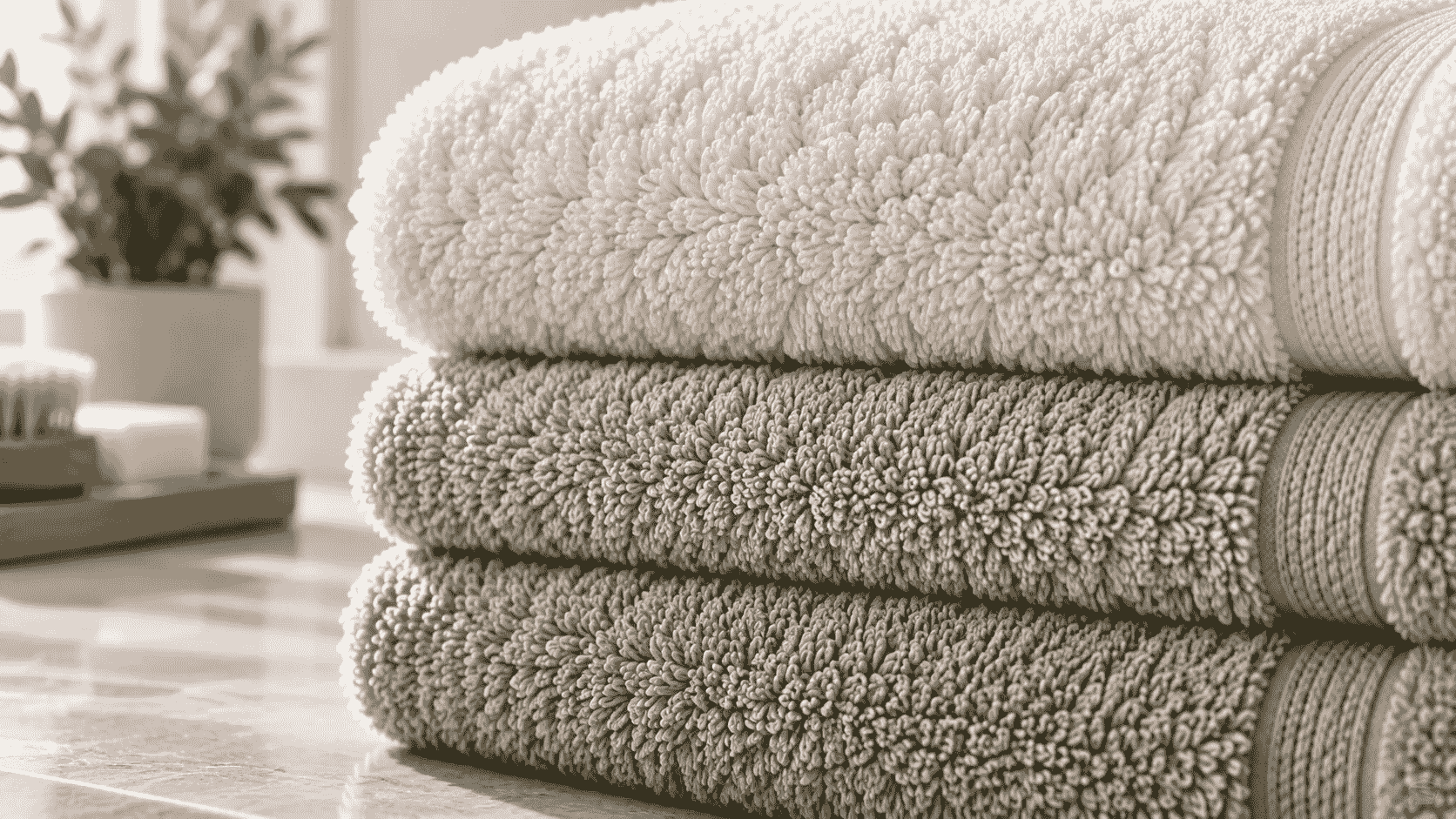
A soft and fluffy towel can make everyday bathroom routines feel more comfortable. Whether you use a thick bath towel after a shower or a smaller hand towel throughout the day, the quality of its fabric affects how it feels and performs. Unfortunately, towels do not always maintain their original softness. Repeated washing, hard water, improper drying, and everyday wear can gradually make them rough, flat, and less absorbent.
The good news is that towels can last for years when they receive proper care. You do not need expensive laundry treatments or complicated cleaning methods to maintain their quality. Understanding how towel fibers work and developing a consistent care routine can help preserve their texture, absorbency, and appearance.
This guide explains practical ways to care for your towels, avoid common laundry mistakes, and follow effective Tips To Keep Towels Soft for years.
Understand What Makes Towels Soft and Fluffy
Before creating a towel care routine, it is helpful to understand what gives towels their softness. Most bath towels feature looped fabric construction. These small loops create a larger surface area that helps absorb moisture while providing a comfortable texture.
The condition of these loops affects how a towel feels. When detergent residue, mineral deposits, or fabric conditioner accumulate between the fibers, the material can become stiff. Frequent exposure to excessive heat and rough handling can also damage the fabric structure.
Maintaining towel softness is therefore about protecting the fibers rather than simply making the surface feel smooth. A good care routine should preserve both softness and absorbency.
Choose Quality Towels That Can Handle Regular Washing
Long-lasting softness begins with selecting towels made from suitable materials. Cotton towels are popular because they combine absorbency, comfort, and everyday practicality. However, not all cotton towels have the same construction or durability.
When choosing new towels, pay attention to fabric quality, stitching, thickness, and manufacturing details. Strongly finished edges help prevent premature fraying, while well-constructed loops can withstand regular use more effectively.
Towel weight can also influence the experience. Heavier towels often feel thicker and more substantial, while lighter towels may dry faster and be easier to handle. The best choice depends on your preferences and laundry routine.
Avoid choosing a towel based entirely on its initial softness. Some towels have surface treatments that make them feel exceptionally smooth when new but may change after repeated washing.
Wash Towels According to Their Fabric Requirements
One of the easiest ways to protect towel quality is to follow the manufacturer's washing instructions. Different materials may require different temperatures, washing cycles, and drying methods.
Cotton towels generally tolerate regular washing, but excessive heat and aggressive cycles can gradually affect their fibers. Check the care label before selecting a washing temperature.
Separate towels by colour to prevent dye transfer, particularly when washing new or brightly coloured fabrics. It is also useful to wash towels separately from delicate clothing and garments with zippers or rough fastenings.
Avoid overloading the washing machine. Towels need enough room to move freely so that water and detergent can circulate throughout the load.
A suitable washing routine removes everyday dirt and body oils while helping preserve the original fabric construction.
Use Less Detergent for Better Results
Adding extra detergent does not necessarily make towels cleaner. In many cases, excessive detergent can remain trapped between fabric loops, creating buildup that makes towels feel stiff.
The correct detergent quantity depends on the load size, product concentration, and water hardness. Follow the manufacturer's instructions instead of estimating the amount each time.
If towels regularly come out feeling coated or rough, check whether you are using too much detergent. An additional rinse cycle may also help remove leftover cleaning products.
This is one of the most practical Tips To Keep Towels Soft because it addresses a common problem without requiring additional laundry products.
Protect Towel Absorbency by Limiting Fabric Softener
Fabric softeners can make some fabrics feel smoother, but frequent use may not be suitable for towels. Many conditioners leave a coating on the fibers that can reduce their ability to absorb water.
Although towels may initially feel softer after using these products, repeated applications can affect their performance.
Instead, consider washing towels without regular fabric conditioner. Use the recommended detergent quantity and make sure the rinse cycle is effective.
Remember that softness and absorbency should work together. A towel should feel comfortable while still performing its main purpose of absorbing moisture efficiently.
Dry Towels Carefully to Preserve Their Texture
Drying is another important part of long-term towel maintenance. Excessive dryer heat can weaken fibers, cause shrinkage, and contribute to fabric deterioration.
If you use a tumble dryer, choose a suitable temperature based on the towel care label. Avoid unnecessary high-heat cycles and remove towels once they are completely dry.
Air drying is another practical option. However, towels should have enough space for air to circulate around the fabric. Hanging several wet towels tightly together can slow the drying process and encourage unpleasant smells.
Before drying, shake each towel gently to loosen the fabric loops. This simple action can help prevent the material from drying in a compressed position.
A balanced drying routine helps maintain the natural feel of towels without putting unnecessary stress on their fibers.
Deal With Hard Water Before It Damages Towel Quality
Water quality can have a noticeable effect on laundry results. Hard water contains minerals such as calcium and magnesium, which can accumulate in fabrics over repeated washing cycles.
This buildup may contribute to stiff towels, detergent residue, and reduced cleaning efficiency.
If you suspect hard water is affecting your laundry, consider testing your household water supply. A compatible water-softening laundry product may help reduce mineral-related problems.
Avoid adding several cleaning products together in an attempt to solve the issue. Follow product instructions and washing machine guidelines to prevent unwanted chemical reactions or equipment problems.
Understanding your water quality can help you develop a more effective towel care routine.
Keep Towels Fresh Between Laundry Days
Maintaining towel quality does not stop when the washing machine finishes. Everyday handling also affects how long towels remain fresh.
After using a bath towel, hang it fully open on a towel rail or drying rack. Avoid leaving it in a heap on the bathroom floor or inside a laundry basket while damp.
Good ventilation allows moisture to escape and helps prevent musty smells. If your bathroom has limited airflow, consider drying towels in another well-ventilated area.
Wash towels regularly according to their use. Bath towels that dry completely between uses can generally be washed after several uses, while shared hand towels and kitchen towels may need more frequent cleaning.
Keeping towels dry between uses helps maintain freshness and reduces the need for unnecessary washing.
Store Towels Properly for Long-Term Softness
Storage is an important part of preserving towels for years. Even properly washed towels can develop unpleasant odors if they are stored before drying completely.
Make sure every towel is fully dry before folding it. Store clean towels in a dry, clean cupboard with enough room for airflow.
Avoid placing heavy objects on top of folded towels for extended periods because constant pressure can compress the fabric. Keep the storage area clean and check occasionally for moisture or musty smells.
If you have seasonal or guest towels that remain unused for long periods, ensure they are stored in a dry environment and refreshed before use.
Proper storage protects towels from unnecessary moisture and helps keep them comfortable between uses.
Know When Your Towels Need Replacing
Even with excellent care, towels eventually experience natural wear. Repeated washing and daily use gradually affect fabric fibers, and some changes cannot be reversed.
Look for signs such as thinning fabric, loose threads, damaged loops, persistent unpleasant smells, and significantly reduced absorbency.
If a towel no longer performs well despite proper washing and drying, replacing it may be the most practical option.
However, do not replace towels simply because they feel slightly less fluffy than when they were new. Sometimes adjusting detergent quantities, improving rinsing, or changing drying methods can make a noticeable difference.
Final Thoughts
Keeping towels soft and fluffy for years is possible with consistent care and a few simple adjustments. Choosing quality materials, washing correctly, limiting fabric softener, avoiding excessive heat, and allowing towels to dry completely can all help preserve their condition.
The most useful Tips To Keep Towels Soft focus on preventing residue buildup and protecting fabric fibers from unnecessary damage. Good storage and regular maintenance further support long-term towel quality.
By making these habits part of your household routine, you can enjoy towels that remain comfortable, fresh, absorbent, and pleasant to use for years.
❤️ Support Friends Aim! View a sponsored ad to help cover our website costs. Thanks!
Support Us — Ad 1 Support Us — Ad 2- Arts, Culture & Design
- Automotive & Transport
- Accounting & Finance
- Advertising & Marketing
- Agriculture & Farming
- Business & Consulting
- Books & Publishing
- Building & Construction
- Beauty & Personal Care
- Baby, Kids & Parenting
- Charity & Social Causes
- Crafts & Handmade
- Careers & Jobs
- Computers & Laptops
- Consumer Electronics
- Entertainment & Events
- Food & Beverages
- Delivery & Logistics
- Digital Media & Content
- Dating & Relationships
- E-Commerce & Retail
- Education & Learning
- Energy & Environment
- Fitness
- Fashion & Apparel
- Gaming & Toys
- Government & Legal
- Gardening
- Health & Medical Care
- Home Decor & Furniture
- IT & Software
- Industrial & Tools
- Import & Export
- Jewelry & Watches
- Lifestyle & Wellness
- Legal Services & Law
- News & Media
- News & Current Affairs
- Religion & Faith
- Sports
- Technology
- Travel & Tourism
- Weddings & Events
- Other

 Arabic
 French
 Spanish
 Portuguese
 Deutsch
 Turkish
 Dutch
 Italiano
 Russian
 Romaian
 Portuguese (Brazil)
 Greek