


 About
 Terms
 Privacy
Roadside Assistance in Circleville, UT: What Relocating Buyers Should Know
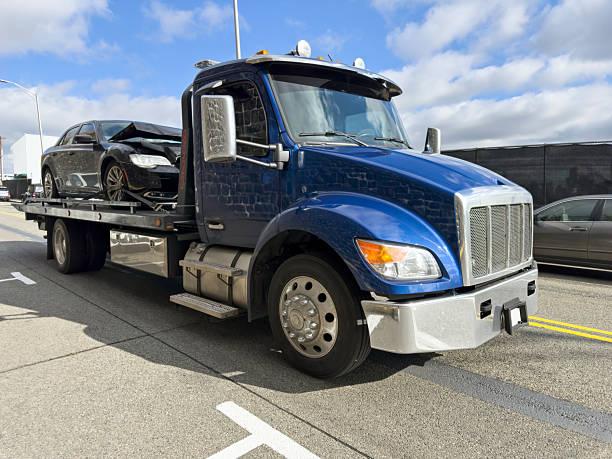
Relocating to a rural or small-town community involves more than comparing listing prices, commute times, schools, and visible property features. Buyers may also need to consider how they will handle vehicle trouble when driving between Circleville, nearby communities, and longer travel routes. Roadside Assistance in Circleville, UT can become an important part of that planning when a household depends heavily on a vehicle or when buyers are unfamiliar with local service providers.
A roadside plan can provide a useful backup when a vehicle develops a problem away from home, but buyers should not assume that every provider offers the same services, coverage area, response process, or pricing. Service availability may depend on location, vehicle type, weather, current demand, and the specific assistance requested.
Real estate agents can help clients treat roadside service as one practical due-diligence question during relocation planning. The agent does not determine dispatch coverage, pricing, equipment requirements, or mechanical outcomes. Instead, the agent can encourage buyers to ask focused questions and confirm important details directly with the provider before making assumptions about post-move support.
Roadside Assistance in Circleville, UT: Why Local Coverage Matters
Local roadside coverage can matter more when a property is located away from major population centers or when a household regularly travels longer distances for work, shopping, medical appointments, recreation, or other needs.
A buyer may be comfortable with a property several miles outside town, but the same distance can become more important when a vehicle breaks down during winter weather or when only one household vehicle is available. Understanding who provides roadside support and what areas they serve can help buyers make a more complete relocation plan.
The provider's actual service area, operating hours, response process, and vehicle limitations should be confirmed rather than assumed. Online information can provide a starting point, but direct communication is more useful when a buyer needs to know whether a particular address or travel route falls within the service area.
Potential roadside services may include:
-
Towing after a breakdown or collision, subject to applicable service limits.
-
Jump-start assistance for vehicles with depleted batteries.
-
Flat-tire assistance when the required equipment and access conditions are available.
-
Vehicle lockout assistance when ownership or authorization requirements are satisfied.
-
Fuel delivery or other emergency support where the provider offers those services.
Not every request will have the same requirements. Buyers should ask what applies to their particular vehicle and location instead of assuming that one roadside package covers every situation.
Questions That Clarify Roadside Coverage
Coverage questions become especially important when a buyer is moving from a larger city to a smaller community. A service that was easy to access in a previous location may operate differently in a rural area.
Buyers should ask whether the provider serves their specific neighborhood, the roads they commonly travel, and nearby communities. They should also ask how a request is initiated and what information the dispatcher needs before sending assistance.
For roadside assistance services in Circleville, UT, it can also be useful to understand whether mileage, equipment, after-hours response, or other circumstances may affect the final charge.
Useful questions include:
-
Which roads and nearby communities fall within the service area?
-
What hours are roadside calls accepted?
-
How are urgent and routine requests handled?
-
Which vehicle sizes or conditions may limit service?
-
Are there separate charges for mileage or specialized equipment?
-
Are membership or authorization requirements involved?
-
Which payment methods are accepted?
-
What information should be available when requesting assistance?
Direct answers can help buyers distinguish confirmed service terms from assumptions based on general online information.
How Real Estate Agents Can Help Clients Evaluate Roadside Service
Real estate agents can support relocation planning by encouraging clients to consider practical transportation needs alongside the property itself. If a client asks whether a home is suitable for daily life, the conversation can include driving distances, road access, parking, vehicle dependence, and emergency contacts.
That does not mean an agent should recommend a particular mechanical service or guarantee that roadside assistance will be available. The provider remains responsible for its own coverage, pricing, dispatch decisions, and service terms.
An agent can instead help the buyer identify questions that should be answered before closing. This approach keeps roadside planning separate from the home's inspection and prevents service availability from being treated as evidence of property quality.
Helpful agent support may include:
-
Matching the client's driving patterns with likely roadside needs.
-
Recording provider questions while the property address and travel routes are available.
-
Separating confirmed service terms from assumptions or informal comments.
-
Reminding clients to resolve important service questions before decision deadlines.
-
Encouraging buyers to keep emergency contact information accessible after moving.
For example, a buyer who expects frequent long-distance commuting may have different roadside needs from someone who works from home and rarely travels outside Circleville. Understanding that difference can make the conversation more relevant.
Connecting Roadside Planning With a Rural Relocation
A relocation plan becomes more useful when it accounts for ordinary disruptions, not only the move itself. Buyers should consider how often they will drive rural roads, whether another household vehicle is available, and how they would manage transportation if one vehicle becomes temporarily unavailable.
The property's physical location can also influence the questions a buyer asks. Driveway access, address visibility, nearby intersections, road conditions, and distance from frequently used routes can provide useful context when discussing roadside support.
These factors do not establish response times or guarantee availability. They simply help buyers communicate their circumstances more clearly when confirming service options.
Practical Preparation Before a Move
-
Save the roadside provider's contact information in multiple accessible locations.
-
Keep a charged phone available during longer trips.
-
Confirm whether roadside service requires a membership or separate plan.
-
Review tire condition, battery health, and other basic vehicle maintenance needs.
-
Keep vehicle registration and relevant membership information accessible.
-
Know the property's exact address and nearby landmarks.
-
Understand where a disabled vehicle could be safely positioned while waiting for help.
These steps can make an unexpected breakdown easier to manage without creating unrealistic expectations about how quickly assistance will arrive.
Understanding Towing Needs After a Breakdown
Roadside assistance and towing are related but are not always the same service. A vehicle with a dead battery may only require a jump-start, while a vehicle with significant mechanical or collision damage may need transportation to a repair facility.
For towing services buyers should understand what happens if roadside assistance cannot resolve the vehicle problem at the location. Asking whether towing is available, what vehicles can be handled, and whether destination or mileage affects pricing can provide useful backup information.
Vehicle condition can also affect the type of towing equipment required. A standard vehicle that rolls and steers may present different requirements from one with locked wheels, damaged steering, flat tires, or accident-related damage.
Buyers should provide accurate information when contacting a provider. A clear description can help the dispatcher determine what information or equipment may be necessary.
Preparing for Vehicle Trouble During Longer Trips
Rural relocation can change driving habits. A buyer may travel farther for groceries, work, appointments, recreation, or services than they did in a previous community. Longer trips increase the importance of basic vehicle preparation and knowing whom to contact when something goes wrong.
A roadside plan should complement, not replace, regular vehicle maintenance. Tires, battery condition, fluid levels, brakes, lights, and other basic systems should be maintained according to the vehicle manufacturer's recommendations.
Drivers should also think about personal safety when a breakdown occurs. The safest response can depend on road position, traffic, weather, visibility, and the surrounding environment. When conditions are dangerous, drivers should prioritize immediate safety and follow current instructions from local authorities or emergency services.
Roadside assistance can address the vehicle-related portion of the problem, but it does not eliminate the need for good judgment while waiting.
Weather and Seasonal Considerations
Weather can affect both driving conditions and roadside response. Winter conditions may create slower travel, difficult road access, increased call volume, and longer waits. Heavy rain, snow, ice, or other conditions can also affect where a disabled vehicle can safely remain.
Buyers relocating to Circleville should consider seasonal driving conditions when evaluating their transportation plan. They should not treat a standard response estimate as a guaranteed arrival time when conditions are changing.
For towing company in Circleville, UT inquiries, drivers can provide the exact location, road conditions, vehicle condition, and immediate safety concerns when contacting the provider. This information can help the dispatcher understand the circumstances more accurately.
What Buyers Should Confirm Before Moving
A few direct questions before relocation can prevent confusion later. Buyers should identify a provider they can contact, confirm the relevant service area, and understand whether the services they may need are actually available.
This does not require choosing a provider solely because it is closest to the property. Buyers should compare relevant factors such as service availability, vehicle limitations, operating hours, payment terms, and potential charges.
American Towing service can be contacted at (435) 231-1116 to discuss roadside and towing needs, service areas, vehicle limitations, dispatch procedures, and current pricing. Buyers can use that conversation to clarify practical questions before assistance becomes urgent.
Build Roadside Planning Into the Relocation Process
Roadside assistance may not be the first issue buyers consider when evaluating a new home, but it can become relevant when a household depends on regular driving through rural or small-town areas. Knowing what services are available, which locations are covered, and what information dispatch requires can make vehicle emergencies easier to plan for.
Real estate agents can help clients identify these questions without making promises about service coverage or response times. Buyers remain responsible for confirming the provider's current terms and deciding whether those services meet their transportation needs.
A practical relocation plan should consider both the property and the everyday realities of living there. Road access, vehicle dependence, emergency contacts, maintenance, and roadside support can all form part of that broader decision.
Frequently Asked Questions
Does roadside assistance cover every road around Circleville?
Coverage depends on the provider's stated service area, vehicle limitations, current availability, road conditions, and the type of assistance requested. Buyers should confirm whether their specific property and frequently used routes are covered.
How quickly can roadside assistance arrive?
Response times can vary according to location, weather, traffic, call volume, equipment requirements, and the nature of the request. A provider may give an estimated arrival window rather than a guaranteed arrival time.
Does towing distance affect the final price?
Towing distance can affect the cost, but it may not be the only factor. Equipment, vehicle condition, after-hours service, mileage, membership terms, and the destination can also influence the final charge.
What information should a driver give the dispatcher?
Drivers should provide their exact location, vehicle description, problem, contact number, destination when towing may be required, and any immediate safety concerns. The dispatcher may request additional details.
Can a real estate agent choose a roadside provider for a buyer?
An agent can help a buyer identify questions, organize property and route information, and encourage direct confirmation. The buyer remains responsible for selecting a provider and accepting its service terms.
Does roadside assistance replace regular vehicle maintenance?
No. Roadside assistance is a contingency service rather than a substitute for routine maintenance. Tires, batteries, brakes, fluids, lights, and other vehicle systems should still receive appropriate attention before and after relocation.
❤️ Support Friends Aim! View a sponsored ad to help cover our website costs. Thanks!
Support Us — Ad 1 Support Us — Ad 2- Arts, Culture & Design
- Automotive & Transport
- Accounting & Finance
- Advertising & Marketing
- Agriculture & Farming
- Business & Consulting
- Books & Publishing
- Building & Construction
- Beauty & Personal Care
- Baby, Kids & Parenting
- Charity & Social Causes
- Crafts & Handmade
- Careers & Jobs
- Computers & Laptops
- Consumer Electronics
- Entertainment & Events
- Food & Beverages
- Delivery & Logistics
- Digital Media & Content
- Dating & Relationships
- E-Commerce & Retail
- Education & Learning
- Energy & Environment
- Fitness
- Fashion & Apparel
- Gaming & Toys
- Government & Legal
- Gardening
- Health & Medical Care
- Home Decor & Furniture
- IT & Software
- Industrial & Tools
- Import & Export
- Jewelry & Watches
- Lifestyle & Wellness
- Legal Services & Law
- News & Media
- News & Current Affairs
- Religion & Faith
- Sports
- Technology
- Travel & Tourism
- Weddings & Events
- Other

 Arabic
 French
 Spanish
 Portuguese
 Deutsch
 Turkish
 Dutch
 Italiano
 Russian
 Romaian
 Portuguese (Brazil)
 Greek