


 About
 Terms
 Privacy
Why Polypropylene Rope Is Popular in Marine and Shipping Applications
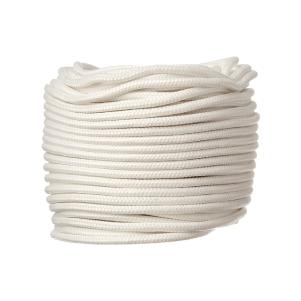
Polypropylene rope is one of the most widely used rope types in marine, shipping, fishing, and industrial applications. Its lightweight construction, water resistance, and ability to float make it a practical choice for businesses working around water.
In the UAE, marine transportation, fishing, port operations, and offshore activities require ropes that can handle challenging working conditions. Polypropylene rope meets many of these everyday requirements while offering easy handling and cost-effective performance.
But why do marine and shipping businesses prefer polypropylene rope over other rope materials? Let's look at its key benefits, common applications, and what buyers should consider when choosing the right rope in the UAE.
1. What Makes Polypropylene Rope Suitable for Marine Applications?
Polypropylene rope is made from synthetic polypropylene fibers. It is lightweight, absorbs very little moisture, and naturally floats on water.
These properties make it particularly useful in marine environments where ropes are frequently exposed to seawater, humidity, and changing weather conditions.
Unlike natural fiber ropes, polypropylene rope does not readily absorb water or become waterlogged. This helps maintain easier handling during regular marine operations.
Its main advantages include:
-
Lightweight construction for easier handling.
-
Excellent water resistance.
-
Natural floating ability.
-
Good resistance to many chemicals.
-
Availability in different diameters and constructions.
-
Cost-effective performance for general-purpose applications.
For marine businesses in the UAE, these features make polypropylene rope a convenient option for several everyday operations.
2. Why Does Polypropylene Rope Float on Water?
One of the biggest reasons polypropylene rope is popular in marine applications is its ability to float.
Polypropylene has a density lower than water, which allows the rope to remain on the water's surface. This makes it easier to locate and retrieve during certain marine activities.
Floating ropes are particularly useful for:
-
Fishing nets and fishing equipment.
-
Floating safety lines.
-
Marine boundary marking.
-
General boat and vessel operations.
-
Water based equipment positioning.
For fishing professionals and marine operators, this feature can make everyday work more convenient. It also helps prevent ropes from sinking and becoming difficult to retrieve.
3. How Does Polypropylene Rope Perform in Saltwater and Harsh Weather?
Marine ropes are regularly exposed to moisture, saltwater, and sunlight. Choosing the wrong material can result in faster deterioration and increased replacement costs.
Polypropylene rope offers good moisture resistance and does not rust or corrode like metal materials. It also resists many common chemicals, making it suitable for various industrial and marine environments.
However, its performance depends on the quality of the rope and how it is used.
In the UAE, intense sunlight and high temperatures are important considerations. Prolonged UV exposure can gradually weaken polypropylene fibers.
To maintain rope performance:
-
Choose UV stabilised polypropylene rope for outdoor applications.
-
Avoid unnecessary exposure to direct sunlight during storage.
-
Inspect ropes regularly for cuts, abrasion, and fiber damage.
-
Replace ropes that show significant deterioration.
-
Follow the manufacturer's storage and maintenance recommendations.
These simple practices can help extend rope service life and improve operational reliability.
4. Where Is Polypropylene Rope Used in Marine and Shipping Industries?
Polypropylene rope is a versatile material used across several industries. Its lightweight construction and floating properties make it suitable for different applications.
Fishing Operations
Fishing businesses use polypropylene rope for fishing nets, general-purpose lines, and equipment positioning. Its ability to float makes it particularly useful for selected fishing applications.
Boat and Vessel Operations
It can be used for general-purpose boat lines and various vessel-handling activities, depending on the rope's specifications and application requirements.
Shipping and Cargo Handling
Suitable polypropylene ropes can support light-duty cargo bundling and securing operations when their rated capacity meets the requirements.
Marine Safety Applications
Floating polypropylene ropes are used in certain marking, positioning, and safety-line applications where flotation is important.
Industrial Applications
Beyond marine environments, polypropylene rope is also used in agriculture, construction, warehousing, and general industrial operations.
It is important to remember that not every polypropylene rope is suitable for every application. Load capacity, construction, and safety requirements must always be considered.
5. Is Polypropylene Rope a Cost-Effective Choice?
Yes. Polypropylene rope is generally an affordable option for many general purpose marine and industrial applications.
Businesses that purchase ropes in bulk often consider material cost, handling convenience, maintenance requirements, and replacement frequency before selecting a product.
Polypropylene rope offers several practical benefits:
-
Generally affordable compared with many specialized rope materials.
-
Easy to transport and handle.
-
Low moisture absorption.
-
Available in multiple diameters and constructions.
-
Suitable for different general-purpose applications.
However, the lowest purchase price does not always offer the best long term value. Rope quality, UV resistance, working conditions, and expected service life should also influence purchasing decisions.
6. How to Choose the Right Polypropylene Rope in the UAE
Selecting the right polypropylene rope depends on how and where it will be used. Before purchasing, marine operators, contractors, and industrial buyers should evaluate the following factors.
Rope Diameter: Choose an appropriate diameter based on the intended application and manufacturer's specifications.
Construction Type: Three strand twisted and braided ropes offer different handling characteristics. Select the construction that suits your operational requirements.
Breaking Strength: Check the manufacturer's stated minimum breaking strength and ensure it meets the intended application.
UV Resistance: For outdoor applications in the UAE, UV stabilized polypropylene rope is worth considering.
Application Requirements: Identify whether the rope is intended for fishing, general marine handling, cargo securing, or industrial use.
Safety Standards: For lifting operations, use properly certified and rated lifting equipment. Never assume that general-purpose polypropylene rope is suitable for overhead lifting.
Choosing the right rope helps businesses avoid unnecessary replacements and maintain safer working conditions.
Conclusion
Polypropylene rope remains a popular choice for marine and shipping applications because it combines lightweight handling, water resistance, floating ability, and affordability. These features make it useful for fishing operations, general vessel handling, and several industrial applications across the UAE.
However, selecting the right rope is just as important as choosing the right material. Buyers should evaluate rope diameter, construction, UV resistance, and load requirements before making a purchasing decision.
Frequently Asked Questions About Polypropylene Rope
1. What are the main advantages of polypropylene rope?
Polypropylene rope is lightweight, water resistant, naturally buoyant, easy to handle, and generally affordable. These properties make it suitable for fishing, boating, shipping, and general industrial applications.
2. Is polypropylene rope suitable for seawater?
Yes. Polypropylene rope has good moisture and saltwater resistance. However, regular inspection is necessary because abrasion, UV exposure, and prolonged outdoor use can affect its strength.
3. How long does polypropylene rope last outdoors?
There is no fixed lifespan. Its durability depends on UV exposure, rope quality, load conditions, abrasion, and maintenance. UV stabilised rope and proper storage can help extend its service life.
4. Can polypropylene rope be used for lifting equipment?
Only if the specific rope is manufactured, tested, and certified for the intended lifting application. General-purpose polypropylene rope should not be used for overhead lifting. Always follow the manufacturer's working load limit and relevant safety requirements.
❤️ Support Friends Aim! View a sponsored ad to help cover our website costs. Thanks!
Support Us — Ad 1 Support Us — Ad 2- Arts, Culture & Design
- Automotive & Transport
- Accounting & Finance
- Advertising & Marketing
- Agriculture & Farming
- Business & Consulting
- Books & Publishing
- Building & Construction
- Beauty & Personal Care
- Baby, Kids & Parenting
- Charity & Social Causes
- Crafts & Handmade
- Careers & Jobs
- Computers & Laptops
- Consumer Electronics
- Entertainment & Events
- Food & Beverages
- Delivery & Logistics
- Digital Media & Content
- Dating & Relationships
- E-Commerce & Retail
- Education & Learning
- Energy & Environment
- Fitness
- Fashion & Apparel
- Gaming & Toys
- Government & Legal
- Gardening
- Health & Medical Care
- Home Decor & Furniture
- IT & Software
- Industrial & Tools
- Import & Export
- Jewelry & Watches
- Lifestyle & Wellness
- Legal Services & Law
- News & Media
- News & Current Affairs
- Religion & Faith
- Sports
- Technology
- Travel & Tourism
- Weddings & Events
- Other

 Arabic
 French
 Spanish
 Portuguese
 Deutsch
 Turkish
 Dutch
 Italiano
 Russian
 Romaian
 Portuguese (Brazil)
 Greek