


 About
 Terms
 Privacy
How Can Precision Paver Walkway Installation in Alpharetta, GA, Create Durable Outdoor Walkways?
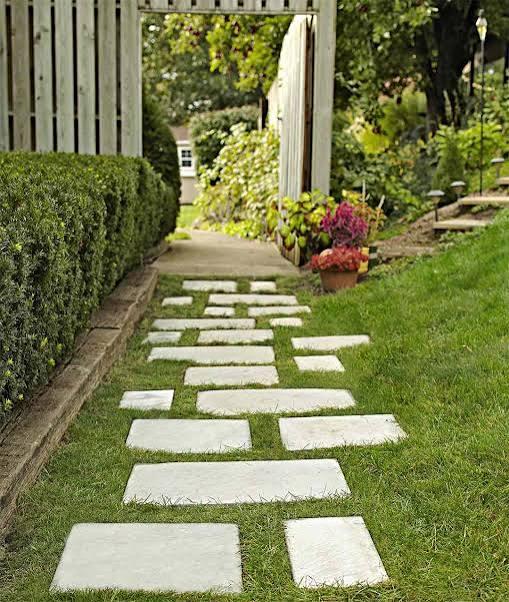
Precision Paver Walkway Installation Alpharetta GA helps homeowners create attractive, durable, and functional outdoor pathways that complement their landscaping. A well-designed paver walkway can connect a driveway to an entrance, link a patio to a garden, or provide a stable walking surface through a backyard. However, long-lasting results depend on more than selecting attractive pavers. Proper measurements, ground preparation, drainage, base compaction, and joint finishing are equally important.
For property owners considering Professional Paver Walkway Installation in Alpharetta, GA, understanding the installation process makes it easier to plan a project that suits the property's layout and everyday needs. The right materials and construction methods can improve accessibility, organize outdoor spaces, and create a consistent appearance around the home.
This guide explains how paver walkways are installed, which materials and designs to consider, how professional installation differs from a DIY project, and what maintenance practices can help preserve the finished pathway.
Why Is Precision Paver Walkway Installation Important?
A paver walkway must withstand regular foot traffic, changing weather conditions, and water movement across the property. If the foundation is poorly prepared, pavers may shift, settle unevenly, or develop gaps over time.
Precision matters because each stage of installation affects the next. Accurate measurements help establish the pathway's shape, while proper excavation and compaction create a stable foundation. Suitable drainage reduces the risk of water collecting beneath or around the walkway.
In Alpharetta, seasonal rainfall makes drainage planning particularly important. A pathway should direct water away from the home's foundation and avoid creating unnecessary runoff toward neighboring properties.
The main benefits of a properly constructed paver walkway include:
· Improved accessibility: Provides a defined route between frequently used outdoor areas.
· Landscape organization: Connects garden beds, entrances, patios, and other features.
· Design flexibility: Offers different colors, textures, patterns, and paver shapes.
· Repair flexibility: Individual pavers can often be lifted and replaced when localized damage occurs.
· Long-term usability: A properly prepared base helps reduce movement and uneven surfaces.
· Visual appeal: A coordinated walkway can complement the home's exterior and surrounding landscaping.
What Are the Main Steps in Professional Paver Walkway Installation in Alpharetta, GA?
A successful installation follows a planned sequence rather than placing pavers directly onto the existing soil.
Step 1: Evaluate the Property and Plan the Route
The first step is determining where the walkway should begin and end. Common routes include front entrances, side yards, garden paths, backyard seating areas, and connections between driveways and patios.
During planning, assess the available space, existing landscaping, slopes, underground utilities, and areas where water collects.
The pathway should be wide enough for comfortable movement and appropriate for its intended use. A straight walkway may suit a formal entrance, while a curved route can work well around planting beds and landscape features.
Before excavation, identify underground utility lines and arrange the required utility-location checks.
Step 2: Choose the Paver Material and Design
Material selection affects appearance, durability, installation requirements, and maintenance.
Concrete pavers are available in many shapes and colors, making them suitable for a wide range of residential designs. Brick pavers provide a traditional appearance, while natural stone offers distinctive textures and color variations.
The chosen material should complement the home's exterior, nearby hardscaping, and landscaping.
Step 3: Mark the Walkway and Calculate Materials
Once the design is selected, mark the pathway boundaries with stakes, string, or suitable marking paint.
Measure the length and width to estimate the total surface area. For a rectangular walkway, multiply the length by the width. For curved or irregular designs, divide the route into smaller sections and calculate each area separately.
Material estimates should account for paver dimensions, cutting requirements, edge restraints, base aggregate, and jointing material.
Ordering a reasonable allowance for cuts and breakage can help prevent delays caused by insufficient supplies.
Step 4: Excavate the Installation Area
Excavation removes grass, roots, organic soil, and other unsuitable material from the marked area.
The required excavation depth depends on the paver thickness, bedding layer, base requirements, soil conditions, and expected use. Walkways built over weak or poorly draining soil may require additional preparation.
The excavated surface should follow the planned elevations and slope. Avoid disturbing more soil than necessary, particularly near existing trees and established landscape features.
Step 5: Install and Compact the Base
A stable base is essential for minimizing settlement and movement.
Suitable compactable aggregate is installed in layers and compacted with appropriate equipment. The base material and total depth should be selected according to the site's soil, drainage conditions, and expected foot traffic.
Compacting the base in manageable lifts helps create a more uniform foundation than placing all the aggregate at once.
The installer should also verify the planned slope and check for soft spots before proceeding.
Step 6: Prepare the Bedding Layer
A thin, even bedding layer is placed over the compacted base to support the pavers and help achieve consistent elevations.
Bedding material should be appropriate for the selected paver system. It should be screeded to a uniform thickness rather than used to compensate for an uneven or poorly compacted base.
Once prepared, the bedding layer should not be unnecessarily disturbed.
Step 7: Lay the Pavers in the Selected Pattern
Pavers are placed according to the approved design, with consistent spacing and alignment.
Common patterns include running bond, herringbone, basket weave, and modular arrangements. The appropriate pattern depends on paver shape, the desired appearance, and the installation requirements.
During placement, installers check alignment, joint spacing, edge cuts, and surface height. A suitable cutting tool is used to fit pavers around curves and fixed structures.
Step 8: Install Edge Restraints and Fill the Joints
Edge restraints help keep the pavers from spreading outward under normal use. Their design and installation should suit the paving system and site conditions.
Jointing material is then swept into the spaces between pavers according to the product manufacturer's instructions. Some systems use polymeric sand, while others use different joint materials.
The surface is compacted when appropriate for the paver system, and additional joint material is applied as needed. Manufacturer instructions should be followed carefully, especially when activating polymeric sand with water.
Step 9: Inspect the Finished Walkway
The final inspection checks for uneven pavers, open joints, loose edges, poor drainage, and inconsistent transitions.
The installer should confirm that the walkway provides a stable walking surface and that water can drain as planned.
The surrounding area is cleaned, leftover materials are removed, and the completed path is checked against the agreed design.
Which Paver Walkway Services Are Available in Alpharetta, GA?
Different projects require different installation approaches. Understanding the available services helps property owners choose an option that suits their outdoor space.
Paver Walkway Contractors in Alpharetta, GA
Paver Walkway Contractors in Alpharetta, GA can assist with planning, material selection, excavation, base construction, paver placement, and finishing. The precise scope depends on the contractor and project agreement.
When comparing contractors, ask about site preparation, drainage planning, edge restraints, cleanup, and how settlement or damaged pavers would be addressed.
Custom Paver Walkway Design in Alpharetta, GA
Custom Paver Walkway Design in Alpharetta, GA focuses on creating a path that fits the property's layout and visual style.
Design options may include curved routes, contrasting borders, decorative patterns, and transitions between outdoor living areas. The design should remain practical, with adequate width and manageable slopes.
Brick Paver Walkway Installation in Alpharetta, GA
Brick Paver Walkway Installation in Alpharetta, GA is suitable for homeowners who prefer a traditional or classic outdoor appearance.
Brick-style pavers can complement established gardens, traditional architecture, and landscaped entrances. Confirm whether the selected product is a purpose-made paving brick or a different type of brick not intended for ground paving.
Stone Walkway Installation in Alpharetta, GA
Stone Walkway Installation in Alpharetta, GA uses natural stone products to create a distinctive pathway.
Natural stone varies in texture, thickness, color, and surface finish. These differences make material selection especially important for maintaining a reasonably even walking surface.
Outdoor Paver Installation in Alpharetta, GA
Outdoor Paver Installation in Alpharetta, GA can include walkways and related paved areas that connect patios, garden entrances, outdoor seating spaces, and other landscape features.
Coordinating adjacent paving areas can create a consistent outdoor layout while helping establish clear walking routes.
Paver Pathway Installation in Alpharetta, GA
Paver Pathway Installation in Alpharetta, GA focuses on paths through gardens, side yards, and backyard landscapes.
Pathways may be straight, gently curved, or designed around existing trees and planting beds. Their layout should balance visual appeal with comfortable movement and practical maintenance.
Paver Walkway Materials Compared
The following table outlines common material options and their characteristics.
|
Material |
Appearance |
Main Consideration |
Suitable Applications |
|
Concrete pavers |
Modern, traditional, or varied styles |
Quality and finish vary by product |
Entrances, garden paths, patios |
|
Brick paving products |
Classic and warm |
Confirm suitability for paving use |
Traditional homes and garden walkways |
|
Natural stone |
Distinctive textures and natural variation |
Thickness and surface consistency require attention |
Custom pathways and landscape features |
|
Permeable pavers |
Designed to allow water through a paving system |
Requires a properly designed permeable base |
Projects where managing runoff is a priority |
The best choice depends on the desired appearance, site conditions, maintenance expectations, and installation budget. No single material is ideal for every property.
What Is the Difference Between DIY and Professional Paver Walkway Installation?
Both approaches can produce attractive results, but they differ in labor requirements, equipment needs, and construction experience.
|
Factor |
DIY Installation |
Professional Installation |
|
Planning |
Managed by the homeowner |
May include professional layout guidance |
|
Excavation |
Requires personal labor or rented equipment |
Equipment and labor depend on the project |
|
Base preparation |
Homeowner manages grading and compaction |
Experienced installers can apply established methods |
|
Pattern and cutting |
Depends on available tools and skills |
Specialized cutting tools may be used |
|
Drainage |
Requires careful research and execution |
Site assessment may help identify drainage requirements |
|
Time commitment |
Can be substantial |
Work is handled by the installation team |
|
Quality control |
Depends on homeowner experience |
Depends on contractor skill and workmanship |
Professional installation is not automatically better in every situation. A small, straightforward pathway may be manageable for an experienced DIY homeowner. Larger projects, complex curves, sloped sites, and challenging drainage conditions may benefit from professional assistance.
Common Paver Walkway Installation Mistakes to Avoid
Several mistakes can reduce a walkway's stability and lifespan.
Inadequate excavation: Leaving organic soil or weak material beneath the base can contribute to settlement.
Poor compaction: An uneven or inadequately compacted base may allow pavers to move under foot traffic.
Incorrect drainage: Water collecting on the path or beneath the paving can create maintenance problems and affect surrounding soil.
Uneven bedding material: Using the bedding layer to correct major base irregularities can produce inconsistent support.
Missing edge restraints: Without suitable edge support, pavers may gradually spread apart.
Improper joint filling: Incomplete or unsuitable joint material can allow pavers to move and may encourage weed growth.
Ignoring accessibility: Excessively steep slopes, abrupt height changes, or uneven surfaces can make a walkway difficult to use.
Avoiding these problems starts with careful planning and attention to each construction stage.
How Can You Maintain a Paver Walkway?
Routine maintenance helps preserve the appearance and usability of the finished surface.
· Sweep away leaves, soil, and loose debris regularly.
· Remove weeds from joints before they become established.
· Clean stains using methods suitable for the paver material.
· Check for loose edge restraints or missing joint material.
· Inspect the path after heavy rainfall for standing water or erosion.
· Address settling pavers early before uneven areas become larger.
· Follow manufacturer guidance when using sealers or jointing products.
One advantage of many modular paver systems is that individual units can often be removed to address localized settlement or access buried utilities. After the underlying issue is corrected, the pavers can be reinstalled.
Frequently Asked Questions
1. How long does paver walkway installation take?
The timeline depends on walkway size, design complexity, excavation requirements, weather, and site access. A small, straightforward path may take less time than a large or curved walkway requiring substantial ground preparation.
2. Which pavers are best for residential walkways?
Concrete pavers, suitable brick paving products, and natural stone are common choices. Consider surface texture, thickness, durability, maintenance, and how the material complements the property's design.
3. Why is base preparation important?
The base distributes loads and provides support beneath the bedding layer and pavers. Proper preparation and compaction help reduce movement, uneven settlement, and other installation problems.
4. Do paver walkways need drainage?
Yes. The design should allow water to drain appropriately and avoid directing runoff toward the home's foundation or neighboring properties. Permeable paving may be an option when the site and underlying drainage system are suitable.
5. Can damaged pavers be replaced individually?
Often, yes. Individual pavers can frequently be removed and replaced, provided matching materials are available and the underlying problem is corrected.
6. Is polymeric sand necessary for every paver walkway?
No. Jointing requirements depend on the paver system and manufacturer's recommendations. Polymeric sand is one option, but other joint materials may be appropriate for particular installations.
7. How do I choose a paver walkway contractor?
Review the contractor's relevant project experience, proposed materials, installation process, drainage approach, written scope, and warranty terms if offered. Ask questions about base preparation and how the finished walkway will be inspected.
8. Can a paver walkway be installed around existing landscaping?
Yes, in many cases. The route can be designed around planting beds and trees, but excavation should account for roots, drainage, and the potential impact on established vegetation.
Conclusion
Precision Paver Walkway Installation Alpharetta GA involves careful design, accurate measurements, proper excavation, a stable compacted base, consistent paver placement, and effective drainage. Each stage contributes to the pathway's appearance, usability, and long-term performance.
Whether you are considering Custom Paver Walkway Design in Alpharetta, GA, Brick Paver Walkway Installation in Alpharetta, GA, Stone Walkway Installation in Alpharetta, GA, or a complete outdoor paving project, the right installation approach should reflect your property's layout and practical requirements.
Article written By: Rank Business Listings
❤️ Support Friends Aim! View a sponsored ad to help cover our website costs. Thanks!
Support Us — Ad 1 Support Us — Ad 2- Arts, Culture & Design
- Automotive & Transport
- Accounting & Finance
- Advertising & Marketing
- Agriculture & Farming
- Business & Consulting
- Books & Publishing
- Building & Construction
- Beauty & Personal Care
- Baby, Kids & Parenting
- Charity & Social Causes
- Crafts & Handmade
- Careers & Jobs
- Computers & Laptops
- Consumer Electronics
- Entertainment & Events
- Food & Beverages
- Delivery & Logistics
- Digital Media & Content
- Dating & Relationships
- E-Commerce & Retail
- Education & Learning
- Energy & Environment
- Fitness
- Fashion & Apparel
- Gaming & Toys
- Government & Legal
- Gardening
- Health & Medical Care
- Home Decor & Furniture
- IT & Software
- Industrial & Tools
- Import & Export
- Jewelry & Watches
- Lifestyle & Wellness
- Legal Services & Law
- News & Media
- News & Current Affairs
- Religion & Faith
- Sports
- Technology
- Travel & Tourism
- Weddings & Events
- Other

 Arabic
 French
 Spanish
 Portuguese
 Deutsch
 Turkish
 Dutch
 Italiano
 Russian
 Romaian
 Portuguese (Brazil)
 Greek