


 About
 Terms
 Privacy
LT-HT Over-Head Material: Understanding Its Importance in Electrical Power Distribution
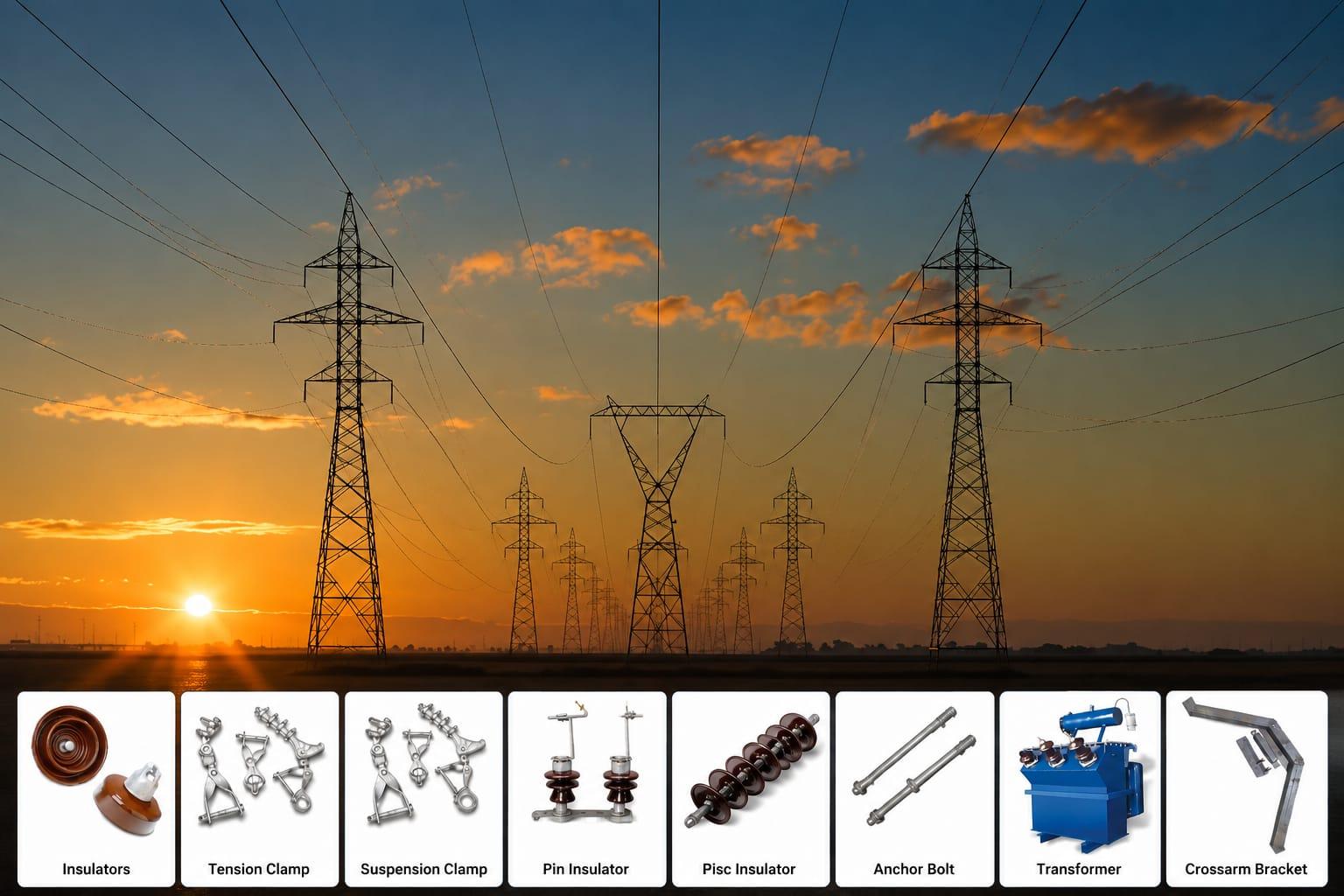
Introduction
Electrical power distribution systems require reliable materials and components to ensure safe, efficient, and continuous electricity transmission. Among the important terms used in electrical infrastructure, LT-HT Over-Head Material generally refers to the materials and equipment used in low-tension (LT) and high-tension (HT) overhead electrical distribution lines. These components help support conductors, maintain electrical clearances, protect equipment, and deliver electricity from substations to consumers.
LT and HT overhead systems are widely used in residential, commercial, industrial, and agricultural applications. Selecting suitable materials is essential for maintaining system reliability, reducing power losses, and supporting long-term operational safety.
What Is LT-HT Over-Head Material?
LT-HT overhead material includes the electrical and mechanical components installed on poles and supporting structures to carry electricity through overhead distribution networks.
LT stands for Low Tension, generally referring to low-voltage distribution systems that supply electricity to end users. In many conventional distribution networks, LT supply operates around 230 volts single-phase or 400–415 volts three-phase, although actual standards vary by country.
HT stands for High Tension, commonly referring to higher-voltage distribution lines that transfer electricity between substations, distribution transformers, and other network points. The exact voltage classification depends on local electrical standards and utility requirements.
The materials used in these systems differ according to voltage level, conductor capacity, environmental conditions, and installation design.
Common Types of LT-HT Overhead Materials
1. Electrical Conductors
Conductors carry electric current throughout the distribution network. Common materials include aluminium and aluminium alloys because of their favorable conductivity-to-weight ratio and resistance to corrosion.
Depending on the application, overhead networks may use all-aluminium conductors, aluminium alloy conductors, or aluminium conductors reinforced with steel. The appropriate conductor depends on current capacity, span length, mechanical loading, and electrical requirements.
2. Insulators
Insulators prevent unwanted electrical current from passing from energized conductors to poles or supporting structures. They are essential for maintaining electrical isolation and operational safety.
Common varieties include pin insulators, suspension insulators, shackle insulators, and strain insulators. Materials may include porcelain, glass, or polymer composites. Selection depends on operating voltage, mechanical stress, pollution levels, and weather exposure.
3. Poles and Supporting Structures
Poles provide mechanical support for overhead conductors and associated equipment. Depending on the network design, they may be manufactured from reinforced concrete, steel, or treated wood.
Pole height, strength, foundation design, and placement must be appropriate for conductor weight, wind loading, line tension, and required ground clearances.
4. Cross-Arms and Brackets
Cross-arms and brackets support insulators and help maintain the correct spacing between conductors. They may be manufactured from steel, reinforced materials, or other approved structural components.
Proper installation ensures mechanical stability and helps maintain the electrical clearances required by the applicable standards.
5. Clamps, Connectors, and Hardware
Clamps, connectors, nuts, bolts, suspension fittings, and tensioning hardware hold conductors securely and establish reliable electrical connections.
These components must be compatible with conductor materials and designed to withstand mechanical loads and environmental exposure. Suitable connectors also help minimize resistance and prevent overheating at electrical joints.
6. Protection and Switching Equipment
Overhead distribution networks may include fuses, lightning arresters, isolators, and other protective or switching devices. These components help manage electrical faults, provide isolation, and protect equipment against certain abnormal operating conditions.
The required equipment depends on the network design, protection philosophy, and utility specifications.
Importance of Quality LT-HT Materials
High-quality overhead line materials are essential for maintaining reliable electricity distribution. Inferior components can lead to premature corrosion, damaged insulators, loose connections, conductor failures, and avoidable power interruptions. https://fasttecheng.com/product-lt-ht-overhead.html
Quality materials are designed to withstand mechanical stress, temperature variations, moisture, ultraviolet radiation, and other environmental conditions. Appropriate testing and inspection help confirm that components meet the required electrical and mechanical specifications.
Using compatible materials also improves installation efficiency and reduces the likelihood of maintenance problems.
Applications of LT-HT Overhead Materials
LT-HT materials are used across a wide range of electrical infrastructure projects, including:
- Residential electricity distribution networks.
- Commercial buildings and business developments.
- Industrial facilities and manufacturing plants.
- Agricultural power supply systems.
- Rural electrification projects.
- Utility distribution upgrades and maintenance work.
The materials selected for each project depend on the voltage level, expected electrical load, site conditions, and requirements of the electricity distribution authority.
How to Select the Right LT-HT Overhead Materials
Choosing suitable materials requires careful technical evaluation. Buyers, contractors, and electrical engineers should verify the voltage rating, current capacity, mechanical strength, dimensions, and compatibility of each component.
It is also important to consider applicable electrical standards, manufacturer specifications, corrosion protection, and environmental conditions. Products should be sourced from reputable manufacturers or authorized suppliers that provide appropriate documentation and quality assurance.
For utility projects, procurement should follow the approved technical specifications and inspection procedures of the relevant electricity authority.
Installation, testing, and maintenance must be carried out by qualified electrical professionals. Overhead power lines can present serious electrical hazards, so the correct safety procedures, clearances, and isolation practices are essential.
Conclusion
LT-HT Overhead Material forms an essential part of electrical distribution infrastructure, supporting the safe and reliable delivery of electricity to homes, businesses, industries, and agricultural facilities. Conductors, insulators, poles, cross-arms, connectors, and protection equipment each perform a specific role in maintaining network performance.
By selecting quality components, following applicable technical standards, and ensuring professional installation, electrical contractors and utilities can improve system reliability and reduce maintenance requirements. Understanding LT-HT overhead materials is therefore important for anyone involved in electrical engineering, power distribution, infrastructure development, or electrical equipment procurement.
❤️ Support Friends Aim! View a sponsored ad to help cover our website costs. Thanks!
Support Us — Ad 1 Support Us — Ad 2- Arts, Culture & Design
- Automotive & Transport
- Accounting & Finance
- Advertising & Marketing
- Agriculture & Farming
- Business & Consulting
- Books & Publishing
- Building & Construction
- Beauty & Personal Care
- Baby, Kids & Parenting
- Charity & Social Causes
- Crafts & Handmade
- Careers & Jobs
- Computers & Laptops
- Consumer Electronics
- Entertainment & Events
- Food & Beverages
- Delivery & Logistics
- Digital Media & Content
- Dating & Relationships
- E-Commerce & Retail
- Education & Learning
- Energy & Environment
- Fitness
- Fashion & Apparel
- Gaming & Toys
- Government & Legal
- Gardening
- Health & Medical Care
- Home Decor & Furniture
- IT & Software
- Industrial & Tools
- Import & Export
- Jewelry & Watches
- Lifestyle & Wellness
- Legal Services & Law
- News & Media
- News & Current Affairs
- Religion & Faith
- Sports
- Technology
- Travel & Tourism
- Weddings & Events
- Other

 Arabic
 French
 Spanish
 Portuguese
 Deutsch
 Turkish
 Dutch
 Italiano
 Russian
 Romaian
 Portuguese (Brazil)
 Greek