


 About
 Terms
 Privacy
Coffee Quality Control Equipment by Coffee Pro Direct
Introduction
Coffee quality control equipment helps coffee producers, exporters, roasters, and laboratories maintain consistent standards throughout the coffee supply chain. From checking green bean moisture to evaluating roast colour and flavour, reliable testing tools support better purchasing decisions and reduce quality-related losses. Vietnam's coffee industry serves international buyers with increasingly varied expectations for traceability and product consistency. Investing in appropriate coffee quality control equipment can help businesses meet these demands. Coffee Pro Direct helps coffee professionals explore laboratory tools and practical solutions for dependable coffee evaluation.
What Is Coffee Quality Control Equipment?
Coffee quality control equipment includes instruments and accessories used to examine coffee's physical characteristics, moisture levels, defects, roasting performance, and sensory qualities. A laboratory may use moisture meters, precision scales, sample dividers, grading sieves, sample roasters, grinders, colour meters, and cupping supplies. Larger facilities may require additional analytical instruments and digital recordkeeping systems. The right setup depends on the coffee being tested, the required accuracy, and production volume. Coffee Pro Direct helps businesses understand these equipment categories and select tools that match their quality-assurance objectives.
Why Quality Control Matters in Vietnam's Coffee Industry
Vietnam is a major coffee-producing country, particularly known for Robusta, while Arabica is also grown in selected regions. International buyers increasingly value consistent quality, dependable documentation, and transparent sourcing alongside competitive pricing. USDA Foreign Agricultural Service reporting forecast Vietnam's coffee production at 32.5 million 60-kilogram bags for marketing year 2026/27. Suitable coffee quality control equipment can help processors and exporters assess lots before storage, roasting, or shipment. Coffee Pro Direct supports coffee businesses researching testing solutions for quality-conscious markets.
1. Green Coffee Moisture Meters
Moisture meters measure the water content of green coffee beans, helping businesses assess whether coffee is suitable for storage, processing, and further evaluation. Excess moisture can increase storage risks, while inconsistent readings may indicate uneven drying or differences between samples. Professional buyers should consider measurement range, repeatability, calibration procedures, sample requirements, and suitability for their coffee type. Moisture readings should be interpreted alongside storage conditions and other quality checks. As essential coffee quality control equipment, moisture meters help businesses make more informed decisions, and Coffee Pro Direct helps buyers explore practical testing options.
2. Water Activity Meters
Water activity meters measure the availability of water within a product rather than simply measuring its total moisture content. This distinction can help quality teams better understand storage stability and conditions that may encourage unwanted microbial activity. Water activity results complement moisture measurements but do not replace them, and interpretation should follow an appropriate testing protocol. Businesses handling large volumes or specialty lots may benefit from adding these instruments to their laboratory workflow. Reliable coffee quality control equipment supports more comprehensive assessment, while Coffee Pro Direct helps professionals investigate tools suitable for their testing requirements.
3. Coffee Sample Dividers and Sampling Tools
Representative sampling is fundamental to reliable coffee testing. A sample taken from only one location in a large shipment may not accurately reflect the entire lot. Sampling spears, clean containers, trays, and sample dividers help teams collect and prepare portions for inspection and analysis. Dividers reduce the risk of selecting only beans that appear visually attractive or convenient to access. Standardised sampling procedures improve consistency between inspections and laboratories. Including sampling tools in coffee quality control equipment planning helps businesses obtain more dependable results, and Coffee Pro Direct can help identify suitable sample-preparation tools.
4. Green Coffee Grading Sieves
Grading sieves separate green coffee beans by size, helping buyers examine uniformity and assess whether a lot meets specified requirements. Different screen sizes can reveal variations that may affect roasting behaviour, appearance, and commercial classification. Sieves are generally used with a defined sample quantity and consistent shaking or screening procedure. Bean size alone does not determine cup quality, so results should be considered alongside defect counts, moisture readings, and sensory evaluation. As practical coffee quality control equipment, grading sieves support physical inspection, while Coffee Pro Direct helps businesses explore laboratory grading accessories.
5. Precision Scales for Coffee Laboratories
Accurate weighing is important when preparing samples, measuring defects, weighing green coffee, and maintaining consistent roasting and cupping procedures. Laboratory balances and precision scales should offer suitable capacity, readability, stable operation, and straightforward calibration checks. Businesses should choose a scale based on the smallest mass they need to measure and the accuracy required by their testing procedure. A suitable working environment also helps reduce errors caused by vibration, airflow, or uneven surfaces. Reliable coffee quality control equipment begins with dependable measurement, and Coffee Pro Direct helps professionals evaluate weighing solutions for laboratory use.
6. Coffee Sample Roasters
Sample roasters allow quality teams to roast small quantities of green coffee under controlled and repeatable conditions. They are useful for comparing origins, processing methods, harvest lots, and supplier samples before purchasing or full-scale production. Important features include controllable heat input, airflow management, repeatable batch operation, convenient cooling, and the ability to reproduce documented roast profiles. Sample preparation must remain consistent when comparing different coffees. Incorporating a sample roaster into coffee quality control equipment can strengthen purchasing and product-development decisions. Coffee Pro Direct helps coffee professionals research sample-roasting solutions for their laboratories.
7. Coffee Roast Colour Meters
Roast colour meters measure the colour of roasted coffee, providing an objective way to compare roast levels across samples or production batches. These instruments can help roasters identify deviations that may be difficult to judge consistently by eye. Buyers should check whether a device is intended for whole beans, ground coffee, or both, and follow the manufacturer's sampling procedure. Measurements should be interpreted using the same instrument and method whenever possible. Effective coffee quality control equipment supports repeatable roast evaluation, and Coffee Pro Direct helps businesses explore colour-measurement tools suited to their production workflow.
8. Coffee Grinders for Cupping and Testing
A laboratory grinder prepares coffee samples for cupping and other sensory tests. Consistent particle size, suitable grinding capacity, easy cleaning, and minimal flavour carryover between samples are important considerations. Different grind distributions can influence extraction and affect how tasters perceive a coffee, making preparation consistency essential. Laboratories handling many samples should also consider workflow speed and the ability to clean the grinder between coffees. Choosing appropriate coffee quality control equipment helps reduce avoidable variation during sensory evaluation. Coffee Pro Direct can help buyers identify grinder categories suitable for professional coffee testing.
9. Cupping Bowls, Spoons, and Water Equipment
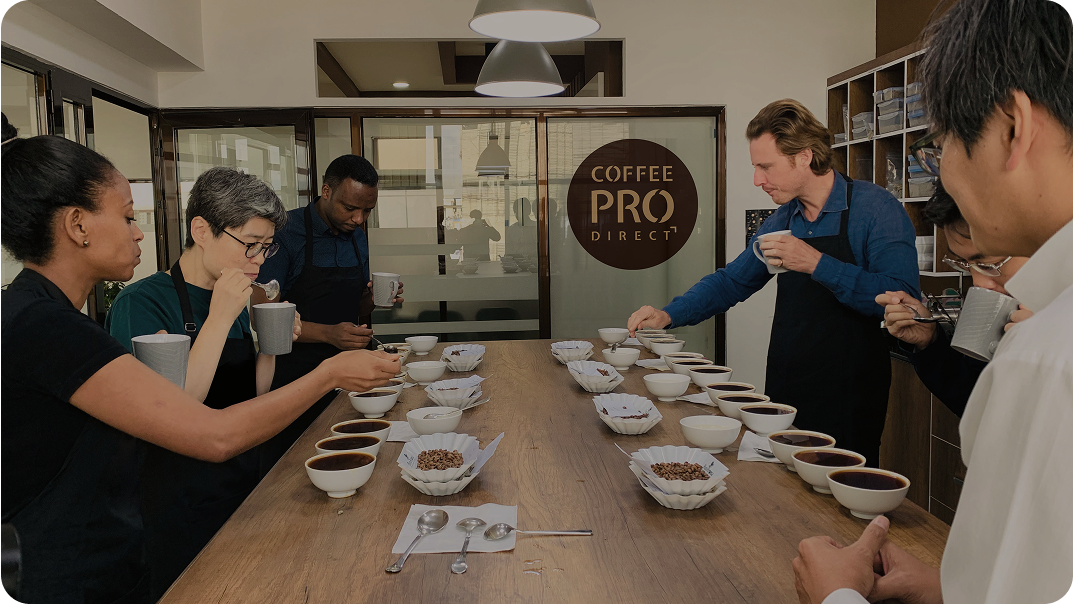
Cupping equipment allows trained evaluators to assess aroma, flavour, acidity, sweetness, body, aftertaste, and other sensory characteristics. A typical setup includes consistent cups or bowls, cupping spoons, kettles or water-heating equipment, pitchers, and clean water. The same preparation method should be followed across samples so differences are more likely to reflect the coffee rather than the testing process. Water quality and temperature can influence extraction and perception. Appropriate coffee quality control equipment makes structured sensory evaluation easier, while Coffee Pro Direct helps coffee professionals plan practical cupping-laboratory setups. <Cite refs={["turn739482search25","turn739482search2"]}/>
10. Coffee Defect Inspection Tools
Physical defect inspection helps identify broken beans, insect damage, discolouration, foreign matter, and other characteristics relevant to a coffee lot's specification. A clean inspection tray, suitable lighting, reference materials, and precision scales can make the process more systematic. Inspectors should use a defined sample size and documented criteria instead of relying on casual visual impressions. Defect classification requirements may vary by coffee type, contract, and applicable standard. Using appropriate coffee quality control equipment improves inspection consistency, and Coffee Pro Direct helps businesses explore tools for green coffee assessment.
11. Density Measurement Equipment
Green coffee density measurement helps quality teams compare physical characteristics between samples and lots. Depending on the method, equipment may assess bulk density or bean density, which are related but not identical measurements. Results can contribute to coffee characterisation and may help roasters investigate differences in roast behaviour. The testing procedure, sample handling, and instrument calibration should remain consistent for meaningful comparisons. Density should not be treated as a standalone measure of cup quality. As part of coffee quality control equipment, density tools add useful physical data, while Coffee Pro Direct helps buyers assess their potential laboratory applications.
12. Digital Data Logging and Laboratory Software
Digital recordkeeping helps teams connect test results with supplier details, lot numbers, harvest information, roast profiles, cupping notes, and shipment records. Spreadsheets may be sufficient for a small operation, while larger laboratories can benefit from dedicated quality-management software. A useful system should make records easy to retrieve, compare, review, and share with authorised staff. Standardised data entry also helps reduce transcription errors and identify recurring quality issues. Integrating digital tools with coffee quality control equipment supports traceability and decision-making, and Coffee Pro Direct can help businesses consider the equipment and workflow requirements of a modern coffee laboratory.
13. How to Choose Coffee Quality Control Equipment
Start by identifying the tests your business performs most frequently. A green coffee exporter may prioritise sampling tools, moisture meters, sieves, scales, and defect-inspection accessories. A roasting business may also require a sample roaster, grinder, colour meter, and cupping supplies. Compare measurement range, repeatability, ease of use, calibration needs, cleaning requirements, and technical support. Avoid purchasing advanced instruments without a clear testing purpose. The best coffee quality control equipment fits actual business needs, and Coffee Pro Direct helps professionals explore equipment categories before making purchasing decisions.
14. Maintenance and Calibration Best Practices
Testing instruments deliver more dependable results when they are cleaned, checked, and maintained according to manufacturer instructions. Teams should establish calibration or verification schedules, record maintenance activities, and remove damaged equipment from use until it has been assessed. Grinders and cupping accessories require cleaning to reduce residue and flavour carryover, while scales should be protected from dust and vibration. Moisture meters and other measurement instruments may need periodic verification against appropriate references. Maintaining coffee quality control equipment helps preserve confidence in test results, and Coffee Pro Direct encourages buyers to consider after-sales support and maintenance requirements.
15. Common Buying Mistakes to Avoid
One mistake is selecting instruments based only on purchase price without evaluating accuracy, repeatability, operating requirements, and support. Another is buying several devices that measure similar properties while overlooking essential sampling tools or staff training. Businesses may also assume that one measurement automatically guarantees quality, even though coffee assessment requires several complementary checks. Before investing in coffee quality control equipment, define your testing procedures, expected sample volume, reporting needs, and relevant customer specifications. Coffee Pro Direct helps buyers approach equipment selection systematically and focus spending on tools that deliver practical value.
16. Coffee Quality Standards and Testing Procedures
Documented testing procedures help laboratories produce results that can be compared over time and communicated clearly to suppliers and customers. ISO 4149:2025 covers olfactory and visual examination of green coffee and the determination of foreign matter and defects. ISO 9116:2025 provides guidance on specifying green coffee for trade, including relevant sampling and handling considerations. Coffee sensory evaluation can also use applicable Specialty Coffee Association standards and protocols. Businesses should consult the current official documents relevant to their work. Suitable coffee quality control equipment supports these procedures, and Coffee Pro Direct helps professionals research tools for structured quality assessment. <Cite refs={["turn739482search0","turn739482search7","turn739482search2"]}/>
17. Building a Quality Control Laboratory in Vietnam
A practical coffee laboratory should reflect the business's volume, testing goals, available space, and staff expertise. Small operations can begin with essential sampling, weighing, moisture testing, green grading, and cupping tools before expanding into roast analysis or more advanced instruments. Larger exporters and processors may need dedicated workstations, controlled sample storage, digital records, and clearly separated preparation areas. Businesses should also plan for reliable utilities, staff training, and equipment servicing. A carefully selected coffee quality control equipment setup supports growth without unnecessary complexity, while Coffee Pro Direct helps coffee professionals explore suitable laboratory equipment categories.
Why Choose Coffee Pro Direct?
Choosing laboratory equipment is easier when buyers understand the purpose of each instrument and how it fits into the overall testing process. Coffee Pro Direct helps coffee professionals research equipment for moisture measurement, green bean grading, sample roasting, grinding, cupping, and other quality-control tasks. Whether you operate a coffee-export business, roasting company, or testing laboratory, consider how each tool supports your product specifications and customer expectations. A well-planned coffee quality control equipment investment can strengthen consistency and improve decision-making. Compare technical requirements, service support, and long-term usefulness before finalising your equipment list.
Conclusion
Consistent coffee quality depends on reliable measurements, representative sampling, repeatable preparation, and structured evaluation. From moisture meters and grading sieves to sample roasters, colour meters, and cupping accessories, each tool supports a different part of the quality-control process. Vietnamese coffee businesses can benefit from selecting equipment that matches their products, production volumes, and customer requirements. Investing in appropriate coffee quality control equipment helps teams identify inconsistencies and make better-informed decisions. Coffee Pro Direct provides a starting point for researching practical laboratory solutions that support quality assurance and long-term business development.
Frequently Asked Questions
1. What is coffee quality control equipment?
Coffee quality control equipment includes tools used to measure moisture, inspect defects, grade bean size, evaluate roast colour, prepare samples, and assess flavour. The exact setup depends on the coffee products and testing procedures involved. Coffee Pro Direct helps professionals explore equipment categories for coffee laboratories and production facilities.
2. Which equipment is essential for a small coffee laboratory?
A basic laboratory may need a precision scale, representative sampling tools, moisture meter, grading sieves, defect-inspection tray, grinder, cupping bowls, spoons, and suitable water-heating equipment. Roasters may also require a sample roaster and roast-colour meter. Essential coffee quality control equipment depends on the tests performed, and Coffee Pro Direct helps businesses research appropriate options.
3. Why is moisture measurement important in coffee quality control?
Moisture measurement helps assess green coffee condition and supports decisions about drying, storage, and processing. It can help identify inconsistent lots, although readings should be interpreted alongside other quality information. Reliable coffee quality control equipment improves routine testing, and Coffee Pro Direct helps buyers explore moisture-measurement solutions for their workflows.
4. How does a sample roaster support quality control?
A sample roaster prepares small coffee batches under controlled conditions so evaluators can compare flavour potential and roast behaviour. Consistent preparation helps make comparisons between suppliers and lots more meaningful. Including a sample roaster in coffee quality control equipment planning supports purchasing and product development, while Coffee Pro Direct helps professionals investigate suitable laboratory roasting options.
5. What standards should coffee laboratories consider?
Laboratories should identify standards relevant to their testing activities, customers, and product specifications. ISO 4149 addresses visual and olfactory inspection and foreign-matter and defect assessment for green coffee. The Specialty Coffee Association publishes standards for coffee evaluation and related practices. Appropriate coffee quality control equipment supports documented procedures, and Coffee Pro Direct helps businesses research relevant testing tools.
6. How often should coffee testing equipment be calibrated?
Calibration and verification frequency depends on the instrument, manufacturer guidance, use intensity, and quality-management requirements. Businesses should establish a documented schedule, record checks, and investigate unexpected readings. Properly maintained coffee quality control equipment supports reliable measurements, while Coffee Pro Direct encourages buyers to consider maintenance and technical support when choosing laboratory instruments.
❤️ Support Friends Aim! View a sponsored ad to help cover our website costs. Thanks!
Support Us — Ad 1 Support Us — Ad 2- Arts, Culture & Design
- Automotive & Transport
- Accounting & Finance
- Advertising & Marketing
- Agriculture & Farming
- Business & Consulting
- Books & Publishing
- Building & Construction
- Beauty & Personal Care
- Baby, Kids & Parenting
- Charity & Social Causes
- Crafts & Handmade
- Careers & Jobs
- Computers & Laptops
- Consumer Electronics
- Entertainment & Events
- Food & Beverages
- Delivery & Logistics
- Digital Media & Content
- Dating & Relationships
- E-Commerce & Retail
- Education & Learning
- Energy & Environment
- Fitness
- Fashion & Apparel
- Gaming & Toys
- Government & Legal
- Gardening
- Health & Medical Care
- Home Decor & Furniture
- IT & Software
- Industrial & Tools
- Import & Export
- Jewelry & Watches
- Lifestyle & Wellness
- Legal Services & Law
- News & Media
- News & Current Affairs
- Religion & Faith
- Sports
- Technology
- Travel & Tourism
- Weddings & Events
- Other
❤️ Support Friends Aim! View a sponsored ad to help cover our website costs. Thanks!
Support Us — Ad 1 Support Us — Ad 2
 Arabic
 French
 Spanish
 Portuguese
 Deutsch
 Turkish
 Dutch
 Italiano
 Russian
 Romaian
 Portuguese (Brazil)
 Greek