


 About
 Terms
 Privacy
How Do Roofers Identify Roof Areas That Dry More Slowly?
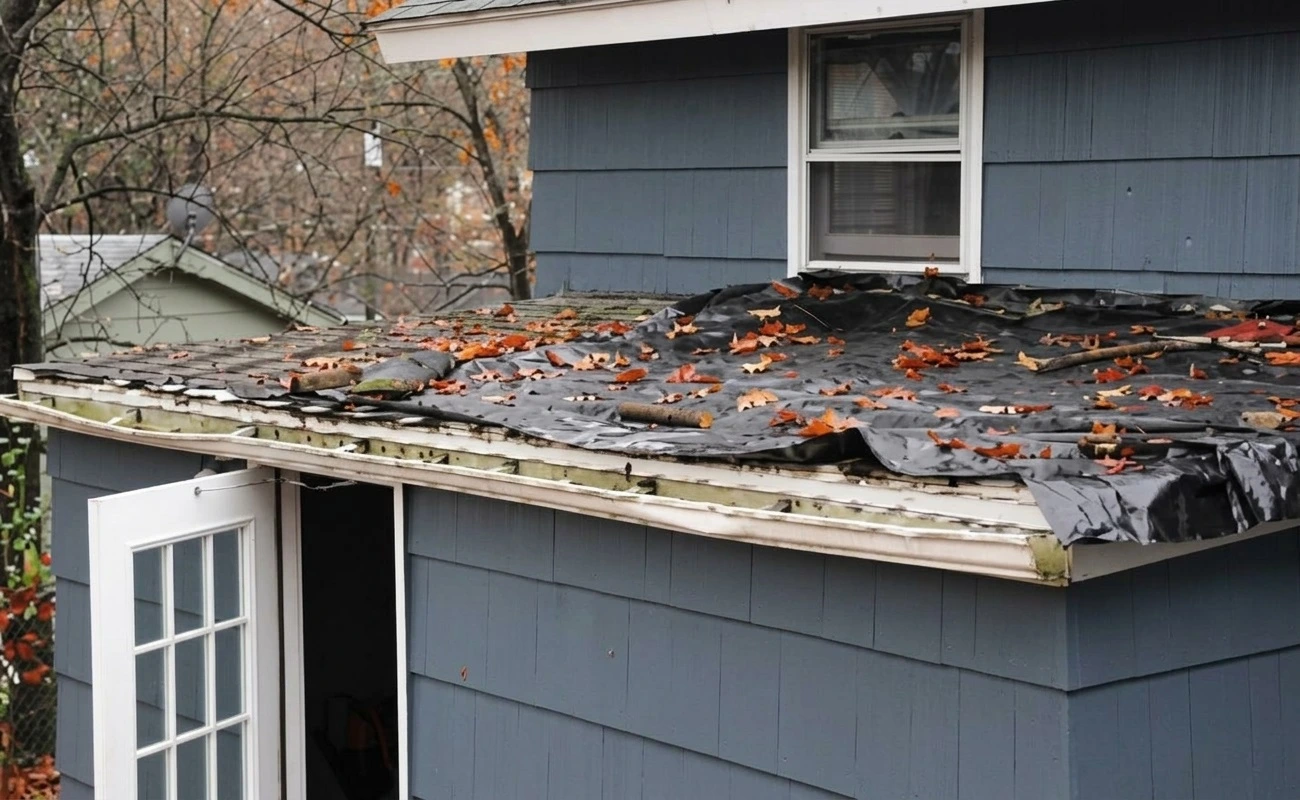
After rainfall, one part of a roof may dry within a few hours while another remains dark and damp well into the day. This difference can reveal useful information about drainage, sunlight, airflow, and the condition of roofing materials. Although a damp patch does not always mean damage has occurred, repeated slow drying deserves attention.
When roofers identify areas that remain wet longer than nearby sections, they look beyond the surface. The roof's slope, nearby trees, building features, gutters, and material condition can all affect how quickly moisture disappears. In some cases, the cause is simply shade. In others, water may be collecting in a low spot or moving slowly toward a drain.
Knowing how professionals assess these areas helps property owners understand why certain roof sections need closer inspection and how early action may reduce future repair needs.
Why Do Some Roof Areas Take Longer to Dry?
A roof does not receive the same amount of sunlight, wind, or rain across its entire surface. Small differences in the building's shape and surroundings can change how long moisture remains after a storm.
Shade Can Keep Surfaces Damp
Trees, chimneys, nearby buildings, and taller roof sections can block sunlight. When sunlight reaches a roof, it helps warm the surface and evaporate moisture. Shaded areas may stay cool for longer, so water takes more time to disappear.
Roofers often compare shaded sections with nearby areas that receive direct sunlight. If the damp pattern follows the shade, limited sun exposure may explain the difference. Still, professionals check whether other issues, such as blocked drainage or surface damage, are also present.
Low Spots Can Hold Water
Some roof surfaces have shallow depressions where rainwater gathers rather than flowing away. These areas may remain wet long after the surrounding surface has dried.
On low-slope roofs, this pattern can point to drainage concerns, changes in the roof surface, or movement in the supporting structure. Roofers assess the shape of the affected area and check whether water has a clear path toward a drain or outlet.
Poor Airflow Can Slow Evaporation
Wind helps carry moisture away from roofing materials. Sections behind raised walls, parapets, or other structures may receive less airflow than open areas.
When a roof has several enclosed or sheltered sections, roofers may compare their drying patterns with areas exposed to more wind. Poor airflow can explain some differences, but it does not rule out a drainage problem.
How Do Roofers Identify Slow-Drying Areas?
Roofers use visual checks, site observations, and targeted inspections to work out why certain parts of a roof remain damp. They look for patterns rather than treating every dark patch as a sign of a leak.
1. They Compare Damp Sections With Dry Areas
A roofer may inspect the roof after rainfall and note which areas dry first and which remain wet. The comparison helps establish whether the pattern follows shade, slope, roof shape, or drainage routes.
For example, a damp strip along a shaded wall may have a different cause than a puddle that stays in the middle of an open roof. The location and shape of the wet area help guide the next inspection steps.
2. They Check the Roof's Slope
The slope affects how quickly water moves across a roof. On pitched roofs, roofers look for sections where the flow may be interrupted by damaged materials, debris, or poorly formed joints.
On low-slope roofs, they look for signs that water is not reaching drains or scuppers. Even a small change in the surface can affect drainage, so the surrounding area must be checked rather than judging the damp spot alone.
3. They Inspect Gutters, Drains, and Outlets
A slow-drying roof edge may be linked to a gutter that holds water, while a damp patch on a low-slope roof may be near a blocked drain.
Roofers check for debris, standing water, damaged outlets, and drainage paths that appear to be working poorly. They may also inspect the gutters for incorrect positioning or sagging sections that interfere with runoff.
4. They Look for Changes in Roofing Materials
Roofing materials can change color when wet, and some materials naturally retain moisture longer than others. Roofers look for unusual differences in texture, surface condition, and drying patterns.
They may notice lifted shingles, damaged seams, cracked flashing, blistering, or worn areas around roof openings. These conditions do not always explain slow drying on their own, but they can reveal places that need closer attention.
What Can the Shape of a Damp Patch Tell Roofers?
The location and outline of a wet area can help a roofer narrow down possible causes. It is not a definite diagnosis, but it can show where to begin checking.
Long Damp Lines Near Roof Edges
A strip of moisture along the eaves may relate to shade, gutter overflow, or water that is not draining cleanly off the roof. Roofers inspect the gutter, drip edge, fascia, and nearby roofing materials to understand the pattern.
If the same strip remains damp after several periods of dry weather, the area may need further assessment.
Puddles in the Middle of a Low-Slope Roof
Water that remains in a defined patch may suggest a shallow depression or a drainage issue. Roofers check the surface around the puddle and trace the route toward the nearest drain.
The depth and size of a puddle, how long it remains, and whether the pattern repeats after rain can all help determine whether further work is needed.
Damp Areas Around Chimneys and Vents
Roof openings require flashing and carefully fitted materials to keep water out. If moisture remains around a chimney, vent, or skylight, roofers inspect the joints and nearby surfaces.
The dampness may simply result from shade or a surface that dries slowly. If the area also shows stains, damaged flashing, or interior leaks, the inspection may need to focus more closely on possible water entry.
How Do Weather and Roof Materials Affect Drying Time?
Slow drying does not have one universal cause. Weather conditions and roofing materials influence how long moisture stays on the surface.
Sunlight and Temperature
A roof exposed to direct sunlight usually warms faster than one beneath a tree or behind a wall. Warmer surfaces can help water evaporate, although the rate also depends on humidity, wind, and the amount of water present.
A damp patch seen early in the morning may dry later as sunlight reaches it. For this reason, roofers may compare observations made at different times rather than relying on one visit.
Humidity and Wind
High humidity slows evaporation because the surrounding air already contains more moisture. Low wind speeds can also allow damp air to remain near the roof surface.
After a long period of humid weather, several roof sections may dry slowly. A roofer takes these conditions into account before deciding that one area has a drainage or material problem.
Roofing Material and Surface Texture
Metal panels, asphalt shingles, tiles, and membrane systems differ in their surface texture and design. Some surfaces shed water quickly, while others may hold a thin film of moisture or show visible dampness for longer.
Age and condition can also affect drying patterns. A damaged surface may hold dirt or moisture differently than nearby materials, so roofers examine the material itself as well as its surroundings.
What Warning Signs Suggest Slow Drying May Point to Roof Damage?
A roof that dries slowly is not necessarily damaged. The concern grows when the same area stays wet repeatedly or shows other signs of trouble.
Roofers may pay closer attention when they see:
-
Repeated standing water: Puddles return after multiple rain events and remain after nearby areas dry.
-
Dark patches that do not follow shade: A damp area remains noticeably different from similar surfaces nearby.
-
Soft or deteriorated materials: Wood around the roof edge shows signs of moisture damage, or roofing materials appear weakened.
-
Damaged flashing or open seams: Water may enter around joints, vents, chimneys, or roof edges.
-
Interior water stains: Ceiling marks, damp insulation, or musty odors may indicate moisture has reached the building's interior.
-
Gutter overflow: Water repeatedly spills over the gutter or remains near the roof edge after rain.
These clues help guide an inspection, but the source of a leak may be some distance from the place where water becomes visible inside. A careful assessment helps avoid repairs that only cover the symptoms.
How Can Property Owners Help Prevent Slow-Drying Problems?
Property owners can reduce some common causes of lingering moisture through regular maintenance. The right steps depend on the roof type, surrounding trees, drainage design, and local weather.
Keep Drainage Paths Clear
Remove leaves and debris from gutters when safe to do so. Check that downspouts carry water away from the building, and arrange professional maintenance for roof drains or outlets that are difficult to reach.
If water continues to collect even when drainage points are clear, a roofing professional may need to assess the roof's slope and surface condition.
Manage Nearby Shade and Debris
Overhanging branches can block sunlight, drop leaves, and restrict airflow. Where practical, trimming branches away from the roof may reduce debris buildup and help more sunlight reach the surface.
Tree work should be handled safely, especially near power lines or where branches could fall onto the roof.
Arrange Inspections When Patterns Repeat
One slow-drying patch after a cloudy, humid day may not be a concern. A pattern that returns after ordinary rainfall deserves a closer look, especially if water collects in the same spot or the roof shows other signs of damage.
Property owners who need guidance from a roofer in Nashville TN can arrange an assessment to check drainage, roof materials, flashing, and areas where moisture remains longer than expected. Recommendations should match the actual roof condition rather than assuming every damp patch needs a repair.
How Does Slow Drying Affect Long-Term Roof Condition?
When moisture remains on a roof repeatedly, the effects depend on the material and the reason the water is staying there. Persistent water can add stress to some roofing systems, expose weak seams, and contribute to the deterioration of vulnerable materials.
On low-slope roofs, repeated ponding may be a sign that drainage needs attention. On shingle roofs, slow drying caused by shade may be harmless, but nearby damaged shingles or flashing should still be checked. Moisture around wooden fascia or roof decking can be more concerning because prolonged exposure may cause swelling or decay.
A roof inspection helps separate normal drying differences from patterns that point to a real issue. Fixing the underlying cause is usually more effective than repeatedly treating a stain or replacing a small section without checking the surrounding area.
How Can Roof Checks Support Better Home Improvement Ideas?
Roof care can fit into wider home improvement ideas because it helps protect the building from avoidable moisture problems. Regularly checking gutters, noting repeated damp patches, and arranging inspections after severe weather can make maintenance easier to plan.
Property owners can also keep simple records of where water remains after rain and how long the affected areas take to dry. Photos taken from a safe location may help show whether the same pattern returns, giving a roofer useful information during an inspection.
The goal is not to make every roof section dry at exactly the same speed. Differences in shade, airflow, and material are normal. The important step is recognizing changes that repeat, identifying their cause, and dealing with drainage or roofing defects before they lead to more extensive damage.
Final Thoughts
Roofers identify slow-drying areas by comparing wet and dry sections, checking the roof's slope, inspecting drainage routes, and looking for changes in materials or flashing. They also account for sunlight, humidity, wind, and nearby structures before deciding whether a damp patch is unusual.
A roof that remains wet longer than its surroundings does not automatically need repairs. But recurring puddles, damaged materials, or signs of interior moisture deserve attention. A proper inspection can help determine whether the cause is ordinary shade or a roofing issue that needs to be addressed.
❤️ Support Friends Aim! View a sponsored ad to help cover our website costs. Thanks!
Support Us — Ad 1 Support Us — Ad 2- Arts, Culture & Design
- Automotive & Transport
- Accounting & Finance
- Advertising & Marketing
- Agriculture & Farming
- Business & Consulting
- Books & Publishing
- Building & Construction
- Beauty & Personal Care
- Baby, Kids & Parenting
- Charity & Social Causes
- Crafts & Handmade
- Careers & Jobs
- Computers & Laptops
- Consumer Electronics
- Entertainment & Events
- Food & Beverages
- Delivery & Logistics
- Digital Media & Content
- Dating & Relationships
- E-Commerce & Retail
- Education & Learning
- Energy & Environment
- Fitness
- Fashion & Apparel
- Gaming & Toys
- Government & Legal
- Gardening
- Health & Medical Care
- Home Decor & Furniture
- IT & Software
- Industrial & Tools
- Import & Export
- Jewelry & Watches
- Lifestyle & Wellness
- Legal Services & Law
- News & Media
- News & Current Affairs
- Religion & Faith
- Sports
- Technology
- Travel & Tourism
- Weddings & Events
- Other
❤️ Support Friends Aim! View a sponsored ad to help cover our website costs. Thanks!
Support Us — Ad 1 Support Us — Ad 2
 Arabic
 French
 Spanish
 Portuguese
 Deutsch
 Turkish
 Dutch
 Italiano
 Russian
 Romaian
 Portuguese (Brazil)
 Greek