


 About
 Terms
 Privacy
Lifecycle Cost of Steel Buildings: Maintenance, Durability and Resale Value
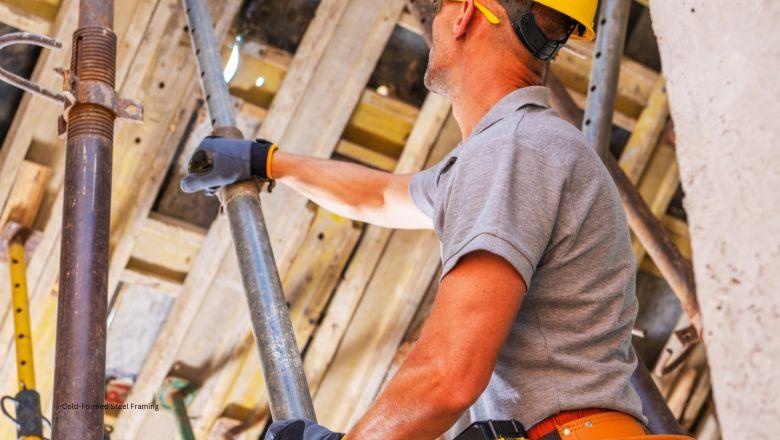
A commercial steel building often costs less to own over 30 to 50 years than its purchase price suggests, because it needs little upkeep, resists many common causes of damage and keeps its value well. This guide explains the full lifecycle cost of a steel building so you can budget with confidence and compare steel fairly against other materials.
What Is Lifecycle Cost, and Why Does It Matter?
Lifecycle cost (also called total cost of ownership or life cycle cost analysis) is the full amount a building costs from the first sketch to the day it is demolished or repurposed. Most owners focus on the construction budget, yet that is often only a fraction of what a commercial building costs over its life.
A complete lifecycle cost analysis adds up five things:
-
Initial cost: design, materials, fabrication, transport and erection
-
Maintenance and repair: inspections, repainting, roof care and fixes
-
Operating cost: energy, heating and cooling, and insurance
-
Downtime and disruption: income lost when a building is closed for repairs
-
End-of-life value: resale price, reuse or scrap value
When you compare building materials this way, the cheapest option on day one is not always the cheapest option over thirty years. That is where commercial steel construction tends to perform well.
Upfront Costs: What You Pay at the Start
Steel buildings are not always the lowest-priced option at the start, but they are often the most predictable. Components are cut and assembled in a factory, so the quality is consistent and the site schedule is short.
The main factors that shape the initial cost are:
-
Size and span: wider column-free spaces need heavier members
-
Design complexity: simple rectangular frames cost less than irregular shapes
-
Steel market prices: raw material rates change with the market, so lock in quotes early
-
Local conditions: wind, snow, seismic zone and soil quality affect the structure
-
Finishes and insulation: cladding, roof panels and interior fit-out
One hidden saving is time. Because steel framing is fabricated off-site and erected quickly, the building can open sooner. For a retail store, warehouse or office, earlier opening means earlier rent or revenue and less interest paid on construction loans.
Steel Building Maintenance Costs
Steel building maintenance is usually light and easy to plan. The material does not rot, warp, swell or attract termites, so most upkeep is about protecting the coating and keeping water out.
Here is what regular maintenance typically involves:
-
Annual inspection: check bolts, welds, connections and the roof for damage or movement
-
Coating care: touch up scratches and chipped paint before rust can start
-
Roof and gutters: clear debris, check sealants and fasteners, and repair leaks quickly
-
Drainage: make sure water drains away from the base and column footings
-
Cleaning: wash panels to remove dirt, salt and chemical deposits
-
Fire and safety systems: test sprinklers, alarms and fire-protective coatings
A simple yearly maintenance checklist
-
Inspect roof sheets, flashings and sealants
-
Look for rust spots, especially near joints, edges and the ground
-
Tighten any loose bolts and check connection plates
-
Clean gutters, downpipes and drains
-
Touch up damaged paint or galvanized coating
-
Record findings so small issues are tracked over time
Because problems in steel are usually visible early, small fixes cost far less than major repairs later. A written maintenance plan, with a budget set aside each year, keeps the lifecycle cost low and predictable.
Durability and Service Life of Steel Buildings
A well-designed and well-maintained steel building can serve for many decades, and design lives of 50 years or more are common for commercial structures. Actual lifespan depends on climate, coating quality and how well the building is looked after.
Steel stands up to several risks that shorten the life of other buildings:
-
Pests and rot: steel is not food for termites and does not decay like timber
-
Weather: engineered frames are designed for specific wind and snow loads
-
Seismic activity: steel is ductile, meaning it bends before it breaks, which helps it handle earthquake forces
-
Shrinkage and cracking: steel does not shrink or crack as it ages, unlike some other materials
-
Fire: steel loses strength at high temperatures, so fire protection such as intumescent paint, sprayed coatings or fire-rated cladding is added where codes require it
Corrosion is the main enemy, and it is manageable.
Rust is the one threat every steel building owner should plan for. The good news is that modern protection systems work well:
-
Hot-dip galvanizing: a zinc layer that protects steel, even in demanding environments
-
Industrial paint systems: multi-coat primers and finishes chosen for the local climate
-
Smart detailing: avoiding spots where water can pool and sealing joints properly
Coastal, humid and chemical-heavy sites need a stronger coating specification. Paying slightly more for the right protection at the start usually saves much more in repainting costs later.
Operating Costs: Energy and Insurance
Running costs add up every year, so small differences matter over the life of a building.
Energy efficiency. Modern steel structure buildings can be insulated very effectively. Insulated metal panels, cool roof coatings, thermal breaks and well-sealed envelopes cut heating and cooling bills. Steel roofs can also carry solar panels easily, which can lower electricity costs further.
Insurance. Insurers often look favourably on non-combustible construction, so a steel building with proper fire protection may qualify for better premiums. Rates vary by location, use and insurer, so ask for quotes on different building types before you decide.
Together, lower energy use and favorable insurance terms can offset part of the initial price difference between steel and other systems.
Resale Value of Steel Buildings
Resale value depends on location and market conditions, but the building itself can help or hurt. Steel buildings tend to hold their value for these reasons:
-
Flexible layouts: clear-span interiors suit warehouses, showrooms, gyms, offices and workshops, so more buyers and tenants can use the space
-
Easy expansion: bays can be added later without rebuilding, which makes the property more attractive to growing businesses
-
Good condition over time: low deterioration means fewer surprises during a buyer's inspection
-
Documented upkeep: inspection and maintenance records show a buyer the building has been cared for
-
Strong end-of-life value: steel is highly recyclable, so even a building that is dismantled still has material value
Lenders and valuers also like buildings that are adaptable and well documented. Keep your drawings, warranties, coating specifications and maintenance logs in one file. They make the sale smoother and can support a stronger price.
Steel vs Concrete vs Timber: Lifecycle Comparison
The table below gives a general comparison. Real results depend on your site, design and local market, so treat it as a starting point for discussion with your designer and contractor.
|
Factor |
Steel |
Reinforced concrete |
Timber |
|
Construction speed |
Fast, mostly prefabricated |
Slower, needs curing time |
Fast for small and mid-size buildings |
|
Routine maintenance |
Low, mainly coatings and roof |
Low to moderate, cracks and waterproofing |
Moderate to high, moisture and pest control |
|
Main durability risk |
Corrosion and fire exposure |
Cracking and rebar corrosion |
Rot, pests and fire |
|
Long clear spans |
Excellent |
Good, but heavier |
Limited |
|
Ease of expansion |
High |
Moderate |
Moderate |
|
Recyclability |
Very high |
Moderate, often downcycled |
Moderate, depends on treatment |
|
Fit for resale and reuse |
Strong, flexible layouts |
Strong, but harder to alter |
Varies by use and condition |
How to Lower the Lifecycle Cost of Your Steel Building
You can shape most of the long-term cost during planning. These steps make the biggest difference:
-
Choose the right coating for your climate. Match galvanizing or paint systems to humidity, salt air and industrial exposure.
-
Design for drainage. Avoid flat pockets and joints where water can sit.
-
Invest in insulation and a quality roof. The roof is the part most exposed to weather and the largest source of energy loss.
-
Plan for growth. Leave room and structural capacity for future bays or mezzanines.
-
Work with experienced fabricators and erectors. Good workmanship prevents early defects.
-
Write a maintenance plan on day one. Schedule inspections and set a yearly budget.
-
Keep full records. Drawings, warranties, inspection reports and repair logs protect resale value.
-
Compare bids on lifecycle cost, not price alone. Ask each contractor for expected maintenance and energy figures.
Conclusion
The true cost of a steel building is spread over its whole life, not just its construction budget. When you count maintenance, durability, operating costs and resale value, steel is a strong long-term choice for commercial projects. Plan the coating, drainage and maintenance early, keep good records, and compare options on total cost of ownership. That approach protects your investment for decades.
Read Also – Rising Demand Driving Growth in the Perimeter Security Market
❤️ Support Friends Aim! View a sponsored ad to help cover our website costs. Thanks!
Support Us — Ad 1 Support Us — Ad 2- Arts, Culture & Design
- Automotive & Transport
- Accounting & Finance
- Advertising & Marketing
- Agriculture & Farming
- Business & Consulting
- Books & Publishing
- Building & Construction
- Beauty & Personal Care
- Baby, Kids & Parenting
- Charity & Social Causes
- Crafts & Handmade
- Careers & Jobs
- Computers & Laptops
- Consumer Electronics
- Entertainment & Events
- Food & Beverages
- Delivery & Logistics
- Digital Media & Content
- Dating & Relationships
- E-Commerce & Retail
- Education & Learning
- Energy & Environment
- Fitness
- Fashion & Apparel
- Gaming & Toys
- Government & Legal
- Gardening
- Health & Medical Care
- Home Decor & Furniture
- IT & Software
- Industrial & Tools
- Import & Export
- Jewelry & Watches
- Lifestyle & Wellness
- Legal Services & Law
- News & Media
- News & Current Affairs
- Religion & Faith
- Sports
- Technology
- Travel & Tourism
- Weddings & Events
- Other
❤️ Support Friends Aim! View a sponsored ad to help cover our website costs. Thanks!
Support Us — Ad 1 Support Us — Ad 2
 Arabic
 French
 Spanish
 Portuguese
 Deutsch
 Turkish
 Dutch
 Italiano
 Russian
 Romaian
 Portuguese (Brazil)
 Greek