


 About
 Terms
 Privacy
Common Winter Risks for Outdoor Irrigation Systems
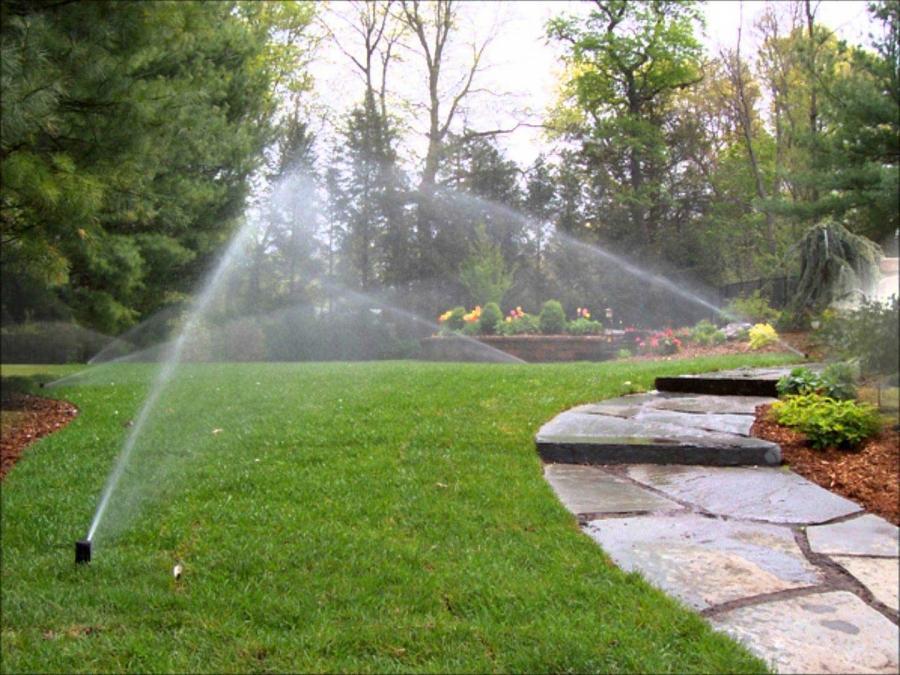
Cold weather creates specific and predictable risks for outdoor irrigation systems. Property owners who understand these risks are better positioned to take effective protective action before winter arrives. Those who underestimate or ignore these risks often face costly repair bills when spring reveals the damage that cold temperatures have caused during the months of winter dormancy.
Irrigation systems contain water throughout their pipe networks, valve bodies, and sprinkler heads during the active season. This water, left in place during winter, freezes and causes damage that ranges from minor component failures to extensive underground pipe destruction. Understanding each category of winter risk helps property owners prioritize their preparation efforts and allocate resources where protection is most needed.
Freeze Expansion in Underground Pipes
Underground pipe freeze damage is the most expensive category of winter risk for irrigation systems. Buried pipes benefit from some protection through soil thermal mass, which buffers against brief surface temperature drops. But sustained cold weather that persists for days or weeks eventually penetrates to pipe depth in most northern and central climate zones.
Once soil temperatures at pipe depth drop below freezing, water inside the pipes begins to transition to ice. This transition brings the nine percent volume expansion that creates destructive internal pressure. PVC pipes, which are the most common material in residential irrigation systems, crack along longitudinal lines when this internal pressure exceeds their structural capacity. The cracks are invisible below the soil surface and typically remain undetected until spring pressurization reveals multiple simultaneous failures.
The repair process for underground pipe cracks is both disruptive and expensive. Each failure point must be located through pressure testing. Once located, the soil above must be excavated to access the pipe. The damaged section is cut out and replaced with new pipe and fittings. The trench is then backfilled and the soil surface is restored. Multiple repair points from a single freeze season can produce total repair costs that exceed what prevention would have cost by a wide margin.
Sprinkler Head Damage From Frost Exposure
Sprinkler heads sit at or near the soil surface and are in direct thermal contact with frost-affected ground. This position makes them highly vulnerable to freeze damage during cold weather events. Water that remains in the head body and riser section during freezing expands and applies pressure to the thin plastic housing of the head.
Pop-up heads retract below the soil surface when not operating but remain surrounded by frost-penetrated ground during cold events. The housing material cracks under internal expansion pressure in ways that may appear subtle externally but prevent adequate sealing during system operation. Cracked head bodies produce continuous leaks at the surface when system pressure is restored during spring startup.
Glass bulb activation elements inside sprinkler heads are also affected by repeated freeze-thaw cycling. The liquid inside the bulb is calibrated to expand and shatter at a specific activation temperature. Extended cold exposure can alter the viscosity properties of this liquid. Heads that have experienced significant freeze exposure may activate at temperatures outside their original specification range. Annual head inspections after freeze events confirm whether activation characteristics remain within acceptable parameters.
Valve Body and Manifold Failure
Control valves and their associated manifold assemblies represent another significant winter risk category. Valves contain internal chambers and operating components that retain water during normal service. When this standing water freezes, expansion pressure targets the valve housing at its thinnest and weakest sections.
Cast metal valve bodies commonly used in commercial irrigation systems are susceptible to cracking under moderate freeze expansion pressure. Plastic valve bodies used in residential systems are similarly vulnerable. A cracked valve body cannot maintain a pressure seal when the system is reactivated. Water escapes continuously through the crack during pressurized operation, wasting water and preventing normal zone function.
Rubber diaphragms inside globe and angle valves face a different but equally serious freeze risk. Rubber becomes significantly less elastic at temperatures approaching freezing. Repeated freeze-thaw cycles work-harden rubber diaphragm materials and reduce their ability to flex and seal correctly. Hardened, cracked diaphragms prevent valves from achieving complete closure during deactivated states. This condition causes zones to bleed water even when they are not commanded to operate.
Backflow Preventer Vulnerability
Backflow preventers represent a concentrated winter risk because of their above-ground position and their functional requirement to retain water internally. These devices sit fully exposed to ambient air temperature on building exteriors. During cold weather events, they lose heat rapidly to the surrounding air. Without specific protective measures, the water they contain freezes quickly during even moderate frost events.
Freeze damage to backflow preventer internal components compromises both the device’s protective function and its operational integrity. Cracked check valve seats allow backflow that can contaminate potable water supplies. Damaged relief valve mechanisms may become stuck open or closed, disrupting normal preventer function. Complete housing cracks may allow significant water escape when system pressure is restored.
Replacement of a freeze-damaged backflow preventer requires licensed plumbing professionals in most jurisdictions. The combination of skilled labor, replacement parts, and any required permits makes this repair significantly more expensive than most other irrigation system maintenance activities. The time required to schedule and complete a licensed plumber’s visit can also delay spring system startup significantly.
Controller and Electrical Component Risks
Electronic irrigation controllers and their associated wiring components face winter risks that are sometimes overlooked. Controllers mounted in outdoor enclosures are subject to cold temperature effects on their electronic components. Battery backup systems in outdoor controllers discharge more rapidly at low temperatures. Inadequate battery charge during extended cold events can result in lost programming that must be fully re-entered during spring startup.
Wiring insulation becomes brittle at low temperatures. Wire that flexes or vibrates during cold weather can develop insulation cracks that create electrical faults. Terminal connections that carry adequate current in warm weather may experience increased resistance in cold conditions. This increased resistance can prevent zone valve solenoids from receiving sufficient current to activate correctly.
Solenoid coils on irrigation valve bodies are particularly vulnerable to moisture infiltration during freeze-thaw cycling. Condensation that forms inside solenoid housings during temperature fluctuations creates corrosion on coil windings and terminal connections over time. Corroded solenoids exhibit increased electrical resistance and reduced magnetic force. The practical effect is that affected valves either fail to open when commanded or open incompletely and deliver reduced flow to their zones.
Proper Sprinklers winterization addresses all of these winter risk categories through a comprehensive, sequential preparation process. Professional winterization services remove water from every vulnerable component, protect exposed assemblies with appropriate insulation, and configure controllers to prevent accidental activation during cold months. Their thorough approach eliminates the predictable winter damage that claims unprepared systems every season. Property owners who invest in professional winterization service protect both their irrigation infrastructure and their budget from the consequences of inadequate cold weather preparation.
Freeze-Thaw Cycling as an Accumulated Risk
Many property owners focus their concern on single severe cold events. But the repeated freeze-thaw cycling that occurs throughout a winter season creates its own category of cumulative damage risk. Each cycle of freezing and thawing stresses materials differently than a single sustained freeze event would.
Rubber components including valve diaphragms, head seals, and fitting gaskets are particularly susceptible to freeze-thaw cycle fatigue. These materials expand slightly during freezing and contract during thawing. Over many cycles throughout a winter season, this repeated dimensional change creates microscopic fatigue cracks that accumulate. The resulting material degradation is not visible to casual inspection but reduces component service life and sealing performance significantly.
PVC pipe that has experienced even minor freeze cracking is permanently weakened at the crack location. Subsequent freeze cycles cause these weakened areas to fail more extensively. Systems that experience multiple winters without adequate winterization develop progressive damage that eventually requires comprehensive repair or replacement rather than targeted fixes at individual failure points.
Risk Amplification in Specific System Areas
Certain areas within any irrigation system carry amplified winter risk due to their specific characteristics. Low points in the pipe layout where water pools naturally concentrate freeze damage risk. Pipe sections near or at the soil surface lose heat more rapidly than sections buried at standard depth. Pipe runs near exterior building walls on the north or west exposures experience sustained cold more intensely than south-facing sections.
Irrigation zones in partially heated spaces like garages and covered but unenclosed structures present specific challenges. These spaces may be warm enough to prevent freezing during normal winter conditions but vulnerable during extreme cold events. Property owners sometimes assume these spaces are adequately protected without verifying that heating is reliable and sufficient for worst-case temperature scenarios.
Understanding these risk amplification zones helps prioritize preparation efforts. Components in high-risk locations warrant additional protective measures beyond standard winterization procedures. Supplemental insulation, heat trace cables, or temperature monitoring equipment may be appropriate for particularly vulnerable locations in systems serving complex or multi-zone properties.
Conclusion
Winter creates multiple predictable and measurable risks for outdoor irrigation systems. Underground pipe freeze damage, sprinkler head failure, valve body cracking, backflow preventer destruction, electrical component degradation, and cumulative freeze-thaw cycle fatigue all threaten irrigation system integrity during cold weather seasons. Understanding each of these risk categories allows property owners to take targeted and comprehensive protective action before the cold season arrives. Systems that receive thorough preparation before winter consistently emerge in spring ready for immediate, reliable service without the repair delays and expenses that characterize inadequately prepared systems.
❤️ Support Friends Aim! View a sponsored ad to help cover our website costs. Thanks!
Support Us — Ad 1 Support Us — Ad 2- Arts, Culture & Design
- Automotive & Transport
- Accounting & Finance
- Advertising & Marketing
- Agriculture & Farming
- Business & Consulting
- Books & Publishing
- Building & Construction
- Beauty & Personal Care
- Baby, Kids & Parenting
- Charity & Social Causes
- Crafts & Handmade
- Careers & Jobs
- Computers & Laptops
- Consumer Electronics
- Entertainment & Events
- Food & Beverages
- Delivery & Logistics
- Digital Media & Content
- Dating & Relationships
- E-Commerce & Retail
- Education & Learning
- Energy & Environment
- Fitness
- Fashion & Apparel
- Gaming & Toys
- Government & Legal
- Gardening
- Health & Medical Care
- Home Decor & Furniture
- IT & Software
- Industrial & Tools
- Import & Export
- Jewelry & Watches
- Lifestyle & Wellness
- Legal Services & Law
- News & Media
- News & Current Affairs
- Religion & Faith
- Sports
- Technology
- Travel & Tourism
- Weddings & Events
- Other
❤️ Support Friends Aim! View a sponsored ad to help cover our website costs. Thanks!
Support Us — Ad 1 Support Us — Ad 2
 Arabic
 French
 Spanish
 Portuguese
 Deutsch
 Turkish
 Dutch
 Italiano
 Russian
 Romaian
 Portuguese (Brazil)
 Greek