


 About
 Terms
 Privacy
How Proper Contact Lens Care Supports Healthy Eyes
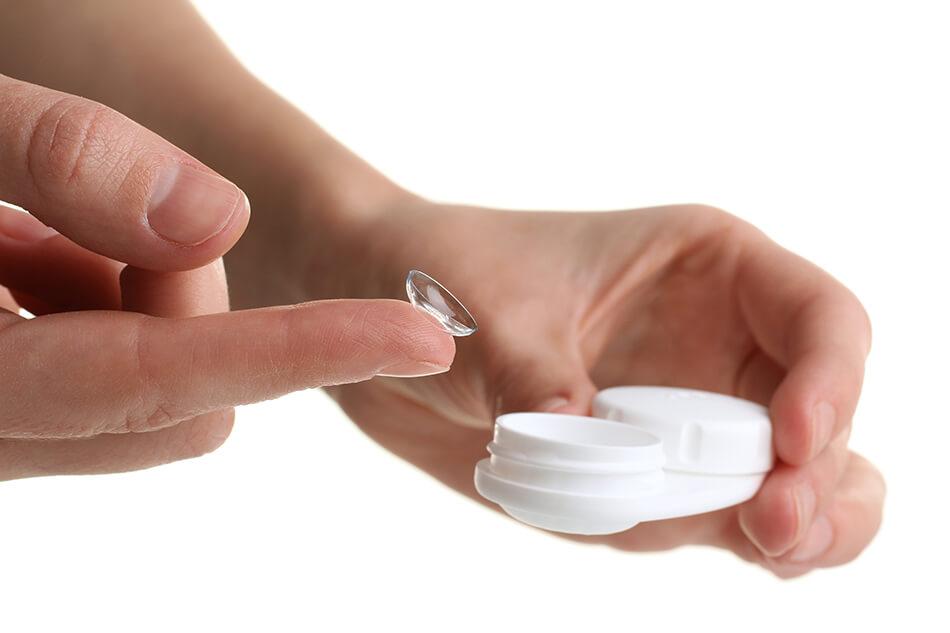
Contact lenses are among the most widely used vision correction tools in the world. They are remarkably safe when handled correctly. However, that safety is not inherent to the lens itself. It depends entirely on how the wearer cares for their lenses, their case, and their eyes every single day. Proper contact lens care is the foundation of every comfortable, safe, and successful wearing experience. Understanding what proper care involves and why it matters transforms a routine habit into genuine eye health protection.
The Direct Relationship Between Care and Ocular Health
The link between contact lens care practices and ocular health outcomes is well-established. Studies consistently show that suboptimal care habits are associated with higher rates of lens-related complications. These complications range from minor discomfort and redness to serious, sight-threatening corneal infections. The difference between these outcomes often comes down to daily care habits that require only a few minutes to perform correctly.
Contact lenses sit directly on the corneal surface. The cornea is a sensitive, avascular tissue that depends on the tear film for oxygen, nutrition, and protection. When a lens is worn, it modifies the tear film environment and restricts some degree of oxygen access. A lens that is contaminated, degraded, or poorly maintained amplifies these effects. Proper care minimizes this amplification and keeps the corneal environment as healthy as possible during wearing hours.
Deposit accumulation is one of the most significant ongoing care challenges. Proteins and lipids from the tear film adhere to the lens surface throughout the wearing day. These deposits progressively degrade surface quality, reduce oxygen permeability, and provide a medium for microbial growth. Proper cleaning after each wearing session removes the majority of these deposits. This maintains surface quality and reduces the biological risks associated with deposit-laden lenses.
Hand Hygiene as the Foundation of Every Care Routine
Hand hygiene is the single most important daily habit for any contact lens wearer. Hands are the primary vehicle for transferring harmful microorganisms to the lens and subsequently to the ocular surface. Normal skin microbiota includes bacteria and other organisms that are harmless on skin but potentially dangerous when introduced to the eye through a contact lens. Thorough handwashing before every lens interaction removes the majority of these organisms.
Washing with soap and water for at least 20 seconds is the recommended protocol. Fingertips deserve particular attention because they contact the lens directly. Thorough rinsing removes all soap residue before the drying step. A clean, lint-free towel completes the hand hygiene process. Never use a shared cloth towel that may harbor bacteria from previous uses. Disposable paper towels provide the most consistently clean drying surface.
This habit must be maintained consistently regardless of how experienced or routine lens handling has become. New wearers are often diligent initially but may relax their standards as wearing becomes routine. The ocular surface remains equally vulnerable to microbial contamination regardless of wearing experience. Maintaining rigorous hand hygiene as a permanent habit is the most important care commitment any lens wearer can make.
Correct Use of Lens Cleaning Solutions
The choice of lens cleaning solution and how it is used significantly affects both safety and comfort. Not all solutions are compatible with all lens materials. Certain preservatives used in some multipurpose solutions can be absorbed by silicone hydrogel lens materials. These preserved solutions may cause corneal staining and discomfort when used with incompatible lenses. Using only the solution specifically recommended by your optometrist for your prescribed lens type prevents this avoidable issue.
The cleaning technique matters as much as the solution choice. Rubbing the lens gently between clean fingertips with solution before rinsing provides the best deposit removal. Even solutions labeled as no-rub produce better cleaning results with a gentle mechanical rub step. This combination of solution chemistry and mechanical action effectively removes the majority of daily protein and lipid deposits.
Hydrogen peroxide-based systems offer superior disinfection compared to standard multipurpose solutions. They contain no preservatives and are particularly well-suited for sensitive eyes. However, they require a mandatory neutralization period of at least six hours before lens insertion. Never insert a lens directly from a hydrogen peroxide system without completing full neutralization. Un-neutralized hydrogen peroxide in direct contact with the eye causes severe chemical injury that requires immediate medical attention.
Lens Case Care and Regular Replacement
The lens case is arguably the most underappreciated component of safe contact lens wear. Contaminated lens cases are a documented leading cause of serious contact lens-related infections. Biofilms of bacteria and fungi can develop in cases that are not properly maintained. These biofilms resist standard disinfection and can contaminate freshly cleaned lenses during overnight storage.
After removing lenses each morning, empty the case completely. Rinse it with fresh lens solution rather than tap water. Tap water introduces microorganisms including Acanthamoeba to the case environment. These organisms pose serious infection risks if they contaminate contact lenses. Leave the rinsed case open and face-down on a clean tissue to air dry throughout the day. This drying step prevents the humid environment that favors microbial growth.
Replace the lens case at least once per month. Many solution manufacturers include a new case with each bottle. Using a new case with each new bottle provides a practical and consistent replacement schedule. A scratched, discolored, or cloudy case should be replaced immediately regardless of age. Scratched internal surfaces harbor microorganisms more readily than smooth surfaces. The negligible cost of regular case replacement offers substantial health protection.
The Critical Importance of Avoiding Tap Water
One of the most important and non-negotiable care rules is complete avoidance of tap water around contact lenses. Tap water contains microorganisms that are harmless when consumed but potentially devastating when they contact the ocular surface through a lens. Acanthamoeba is a microscopic organism found in various water sources including municipal tap water supplies. Contact with a contaminated lens can cause Acanthamoeba keratitis.
Acanthamoeba keratitis is an extremely serious corneal infection. It causes intense pain, severe photophobia, and progressive corneal damage. Treatment requires prolonged courses of specialized antimicrobial drops that are slow-acting and difficult to administer. In severe cases, permanent corneal scarring and significant vision loss occur. Corneal transplantation may eventually be required for the most severe infections. The life-altering potential of this entirely preventable infection makes tap water avoidance an absolute requirement.
Never rinse lenses with tap water. Never use tap water to rinse the lens case. Never wear contact lenses in the shower, bath, swimming pool, hot tub, or natural water body. Even brief water exposure represents a meaningful infection risk. These rules apply equally to experienced wearers who have never previously experienced water-related complications.
Following Replacement Schedules Without Exception
Wearing contact lenses beyond their prescribed replacement schedule is one of the most common and consequential care mistakes. Daily disposables are designed for single-use only. Extending them to a second or third day dramatically increases infection risk and reduces comfort. Monthly lenses stretched to six or seven weeks accumulate unsafe levels of deposits and microbial contamination.
Replacement schedules are determined by clinical research into material performance and safety over time. They are not arbitrary guidelines. A lens used beyond its schedule is clinically compromised regardless of how it looks or feels. Visual clarity may not obviously diminish even when the lens surface has degraded significantly. The invisible contamination and deposit level is more clinically significant than any visible sign.
When you decide to buy contact lenses for continued use, purchasing a sufficient supply to maintain schedule compliance is part of responsible care. Running out of lenses and stretching the current pair due to limited supply is an avoidable compliance failure. Planning purchases to ensure supply never runs low removes the temptation to extend lens life beyond safe parameters. Scheduling an annual order shortly before your prescription renewal is a practical strategy for maintaining uninterrupted supply.
Recognizing Warning Signs Promptly
Good care habits reduce complication risk significantly. However, no care routine eliminates all risk entirely. Knowing how to recognize warning signs allows prompt response that prevents minor issues from escalating. Unusual redness during or after lens wear is a signal worth taking seriously. Stinging, burning, or a persistent feeling of something in the eye during wearing warrants attention. Reduced vision clarity through lenses that previously provided clear sight is also concerning.
The correct immediate response to any of these symptoms is to remove the lens. Inspect the lens for debris, damage, or visible contamination after removal. If removing the lens resolves the symptoms, clean thoroughly if reusable or discard if disposable. Insert a fresh lens and monitor carefully for recurrence. If symptoms persist after lens removal, or if redness and pain are severe, contact your optometrist immediately.
Prompt professional assessment distinguishes between causes and ensures appropriate management. Early infections treated quickly have significantly better outcomes than those allowed to progress. Corneal abrasions managed immediately heal without scarring. Complications recognized late require more intensive and prolonged treatment. Building the habit of prompt attention to warning signs is as important as any daily care routine.
❤️ Support Friends Aim! View a sponsored ad to help cover our website costs. Thanks!
Support Us — Ad 1 Support Us — Ad 2- Arts, Culture & Design
- Automotive & Transport
- Accounting & Finance
- Advertising & Marketing
- Agriculture & Farming
- Business & Consulting
- Books & Publishing
- Building & Construction
- Beauty & Personal Care
- Baby, Kids & Parenting
- Charity & Social Causes
- Crafts & Handmade
- Careers & Jobs
- Computers & Laptops
- Consumer Electronics
- Entertainment & Events
- Food & Beverages
- Delivery & Logistics
- Digital Media & Content
- Dating & Relationships
- E-Commerce & Retail
- Education & Learning
- Energy & Environment
- Fitness
- Fashion & Apparel
- Gaming & Toys
- Government & Legal
- Gardening
- Health & Medical Care
- Home Decor & Furniture
- IT & Software
- Industrial & Tools
- Import & Export
- Jewelry & Watches
- Lifestyle & Wellness
- Legal Services & Law
- News & Media
- News & Current Affairs
- Religion & Faith
- Sports
- Technology
- Travel & Tourism
- Weddings & Events
- Other
❤️ Support Friends Aim! View a sponsored ad to help cover our website costs. Thanks!
Support Us — Ad 1 Support Us — Ad 2
 Arabic
 French
 Spanish
 Portuguese
 Deutsch
 Turkish
 Dutch
 Italiano
 Russian
 Romaian
 Portuguese (Brazil)
 Greek