


 About
 Terms
 Privacy
What to Expect During a Pelvic Floor Assessment in Calgary
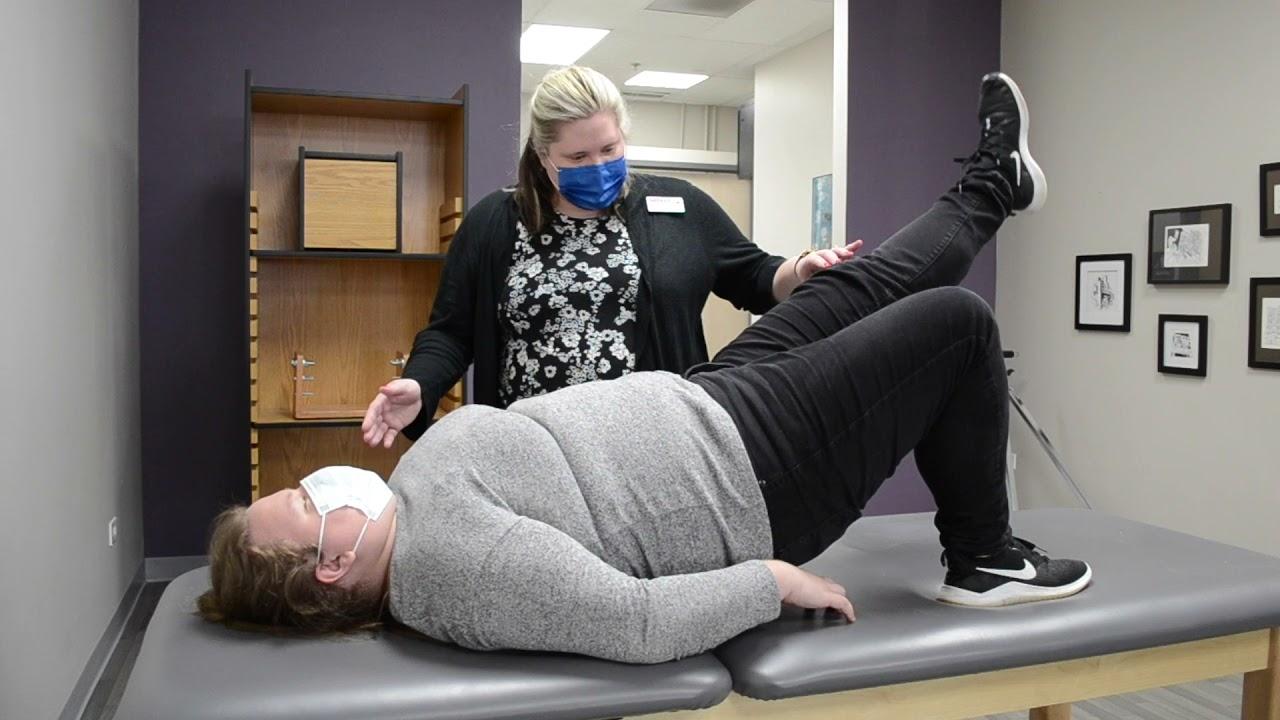
Many Calgary residents delay seeking pelvic health care because they do not know what to expect. The unknown nature of an intimate assessment creates anxiety and hesitation in many people. This uncertainty is completely understandable and extremely common among new patients. Understanding exactly what a pelvic floor assessment involves removes the barrier of the unknown. The process is professional, compassionate, and conducted entirely on the patient’s terms. This article explains the assessment journey from the initial appointment to the development of a treatment plan.
Before Your First Appointment
Preparing for your first pelvic floor assessment is simple and straightforward. Most Calgary NW pelvic health clinics will ask you to complete intake paperwork in advance. This documentation covers your medical history, symptom description, and current medications. Completing this paperwork thoughtfully gives your physiotherapist the most useful starting information. Wear loose, comfortable clothing that allows easy access to the abdominal and pelvic region. There is no need to fast, restrict fluid intake, or make any other special preparations.
Arriving with a clear description of your symptoms will make the appointment more efficient. Note when symptoms began, what makes them worse, and what provides relief. Record the frequency of bladder and bowel symptoms if these are relevant to your concerns. Bring a list of any relevant medical reports, imaging results, or previous treatment records. Your physiotherapist will review all of this information before beginning the physical assessment. The more context you provide, the more accurately and efficiently the assessment can be directed.
It is completely normal to feel nervous before a first pelvic floor assessment appointment. Most patients report that their anxiety dissipates very quickly once the appointment begins. The physiotherapist creates a calm, private, and professionally structured environment. Explanations are provided at every stage to ensure patients feel informed and safe. Nothing is done without explicit patient consent and clear advance explanation. Patients remain in complete control of the extent and pace of the entire assessment process.
What Information Is Gathered in the Intake Interview
The assessment begins with a detailed and structured intake interview. The physiotherapist asks about all bladder symptoms including urgency, frequency, and leakage. Bowel habits, bowel symptoms, and any history of constipation or straining are discussed. Pelvic pain symptoms are described in detail including location, quality, and aggravating factors. Sexual health concerns including pain during intimacy are addressed sensitively and professionally. Obstetric and gynecological history is relevant for female patients and is carefully reviewed.
For male patients, relevant history includes prostate health and any prostate surgery. Bladder and bowel symptoms are assessed in the same systematic and thorough manner. The physiotherapist asks about sports, exercise habits, and occupational demands. These factors help identify the loading stresses that may be contributing to pelvic symptoms. Lifestyle factors such as fluid intake, diet, and stress levels are also explored. This comprehensive interview creates the clinical context necessary for accurate assessment and diagnosis.
The Physical Component of a Pelvic Floor Assessment
The physical assessment begins with an external evaluation of posture and movement. The physiotherapist observes how the patient stands, sits, and moves on the treatment table. Spinal alignment, pelvic tilt, and hip symmetry are all carefully evaluated and recorded. Core muscle activation and breathing mechanics are assessed during simple movement tasks. These external findings provide important context for interpreting the internal assessment results. Many pelvic floor symptoms have contributing factors outside the pelvic floor itself.
Abdominal assessment evaluates core muscle strength, coordination, and any soft tissue restrictions. Diastasis recti, a separation of the abdominal muscles common after pregnancy, is assessed. The external pelvic region is assessed for sensitivity, scar tissue, and soft tissue quality. Hip and lumbar mobility are evaluated because restrictions in these areas affect pelvic floor function. All external assessment findings are explained to the patient as they are identified. This real-time communication helps patients understand the broader picture of their condition.
Internal assessment of the pelvic floor provides the most direct and clinically valuable information. This assessment is performed only with the patient’s explicit informed consent at all times. The physiotherapist explains the purpose, method, and expected sensations before proceeding. A gloved and lubricated finger is gently inserted into the vaginal or rectal canal. The physiotherapist evaluates muscle tone, tenderness, strength, and coordination in a systematic manner. Patients are encouraged to communicate any discomfort throughout the internal examination.
pelvic floor physiotherapy calgary nw practitioners adhere to strict professional and ethical standards throughout all assessments. Every procedure is conducted within the framework of informed consent and patient-centered care. Patients may stop or pause the assessment at any point without any obligation to continue. The clinical environment is private, professional, and entirely respectful of patient dignity. Calgary NW residents can trust that their assessment will be conducted with the highest level of care. Most patients leave their first appointment feeling informed, reassured, and ready to begin treatment.
Using Biofeedback During Assessment
Biofeedback technology may be incorporated into the assessment process in many clinics. Surface electrodes or internal sensors detect and measure pelvic floor muscle activity accurately. This activity is displayed visually on a screen in real time for both parties to see. The physiotherapist uses this data to identify specific strength, endurance, and coordination deficits. Patients can see whether they are correctly contracting and relaxing the targeted muscles. This objective information dramatically improves the accuracy and value of the assessment process.
Biofeedback is particularly valuable for patients who have difficulty feeling pelvic floor contractions. It removes ambiguity about whether exercises are being performed correctly and effectively. The technology also identifies whether the pelvic floor is overactive or underactive. This distinction is critical because the treatment approach for each is entirely different. Using biofeedback during assessment ensures that the subsequent treatment plan is precisely targeted. Calgary NW clinics that incorporate this technology provide a more accurate and efficient assessment service.
Understanding Your Assessment Findings
Following the physical assessment, the physiotherapist explains all findings clearly and accessibly. They describe what was identified in plain and understandable language rather than clinical jargon. The findings are connected directly to the symptoms the patient described during the intake interview. This connection helps patients understand the cause of their symptoms for the first time. Many patients describe this explanation as a significant relief and source of hope. Finally having a clear clinical explanation for longstanding symptoms is genuinely and profoundly reassuring.
The physiotherapist identifies whether the primary dysfunction involves weakness, overactivity, or coordination. They explain the clinical significance of each finding in terms of the patient’s daily symptoms. Contributing factors identified during the external and functional assessments are also explained. The patient gains a comprehensive understanding of all the factors influencing their pelvic health. This education forms the foundation for the treatment plan and home exercise program. An informed patient is significantly more likely to engage consistently and achieve better outcomes.
Developing an Individualized Treatment Plan
The assessment findings directly guide the development of a personalized treatment plan. The plan outlines the treatment techniques and exercise program the physiotherapist recommends. Manual therapy, biofeedback training, bladder retraining, and bowel management may all be included. The home exercise program is introduced and demonstrated during the assessment appointment. Written instructions are provided for exercises to be performed between appointments. The number of recommended sessions and the expected treatment timeline are discussed clearly.
Treatment goals are established collaboratively with the patient at this first appointment. Goals are specific, measurable, and directly connected to the patient’s daily life priorities. Short-term goals address immediate symptom relief and early exercise mastery. Long-term goals target full functional restoration and sustainable pelvic health maintenance. Progress toward goals is measured at regular intervals throughout the treatment course. This ongoing measurement keeps both patient and physiotherapist accountable to the treatment aims.
The treatment plan is flexible and evolves as the patient responds to care. Regular reassessment ensures the plan remains appropriate and optimally targeted. The physiotherapist adjusts the program based on objective improvement measures and patient feedback. Patients are encouraged to report any unexpected symptoms or concerns between sessions promptly. Open and continuous communication between patient and physiotherapist produces the best outcomes. The first assessment appointment sets the foundation for a productive and effective clinical relationship.
Conclusion
A pelvic floor assessment in Calgary is a professional, respectful, and genuinely informative experience. The process moves systematically from intake interview through physical and functional evaluation. Internal assessment provides the most accurate information but is always conducted with full patient consent. Biofeedback technology enhances assessment accuracy in many Calgary NW clinics. Assessment findings are explained clearly and connected directly to the patient’s daily symptoms. The individualized treatment plan that follows gives every Calgary NW resident a clear path to meaningful pelvic health improvement.
❤️ Support Friends Aim! View a sponsored ad to help cover our website costs. Thanks!
Support Us — Ad 1 Support Us — Ad 2- Arts, Culture & Design
- Automotive & Transport
- Accounting & Finance
- Advertising & Marketing
- Agriculture & Farming
- Business & Consulting
- Books & Publishing
- Building & Construction
- Beauty & Personal Care
- Baby, Kids & Parenting
- Charity & Social Causes
- Crafts & Handmade
- Careers & Jobs
- Computers & Laptops
- Consumer Electronics
- Entertainment & Events
- Food & Beverages
- Delivery & Logistics
- Digital Media & Content
- Dating & Relationships
- E-Commerce & Retail
- Education & Learning
- Energy & Environment
- Fitness
- Fashion & Apparel
- Gaming & Toys
- Government & Legal
- Gardening
- Health & Medical Care
- Home Decor & Furniture
- IT & Software
- Industrial & Tools
- Import & Export
- Jewelry & Watches
- Lifestyle & Wellness
- Legal Services & Law
- News & Media
- News & Current Affairs
- Religion & Faith
- Sports
- Technology
- Travel & Tourism
- Weddings & Events
- Other
❤️ Support Friends Aim! View a sponsored ad to help cover our website costs. Thanks!
Support Us — Ad 1 Support Us — Ad 2
 Arabic
 French
 Spanish
 Portuguese
 Deutsch
 Turkish
 Dutch
 Italiano
 Russian
 Romaian
 Portuguese (Brazil)
 Greek