


 About
 Terms
 Privacy
Can Rehabilitation Support Recovery After Shoulder Surgery?
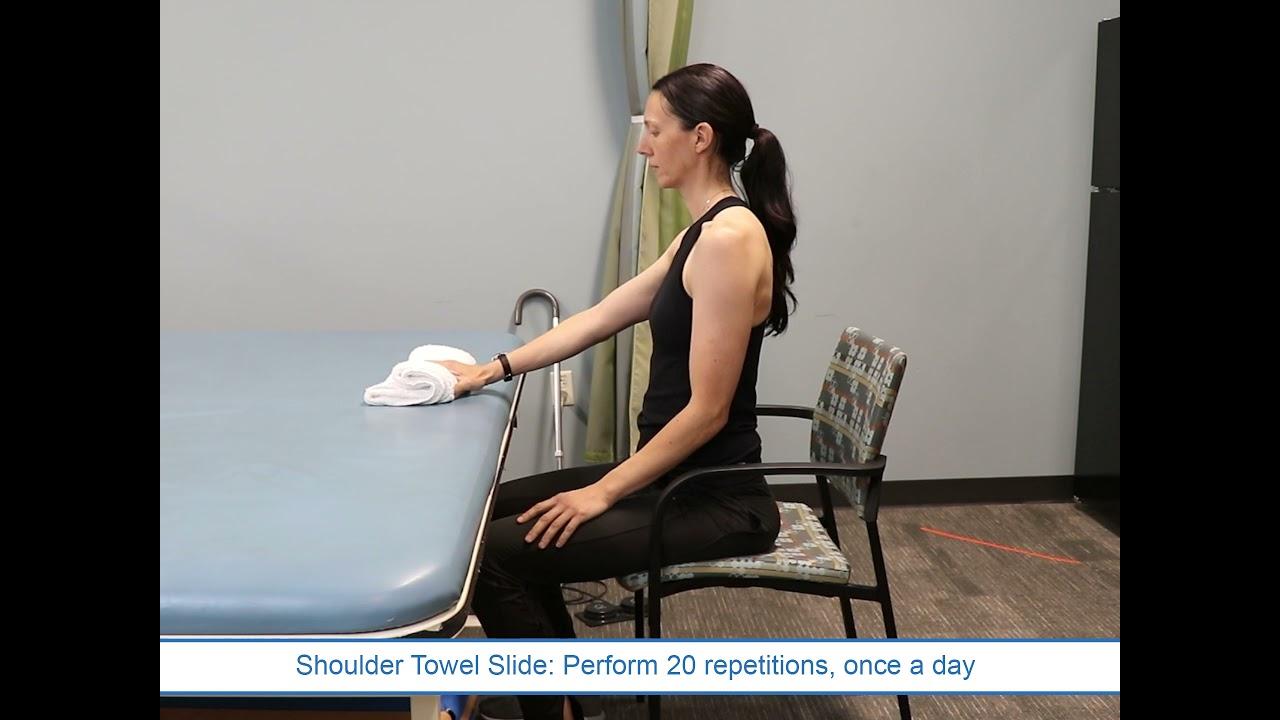
Surgery is only one part of shoulder care. Rehabilitation shapes how well you recover. Many patients wonder how much therapy really helps. The answer is that it helps a great deal. This article explains the role of rehabilitation.
Why Rehabilitation Is Essential
The shoulder is complex and delicate. After an operation, it needs guided healing. Tissue must mend without stiffness. Muscles must regain strength and control.
Without therapy, results often fall short. Scar tissue can limit motion. Weakness may linger for months. A structured plan prevents these problems.
Setting Realistic Expectations
Recovery takes time. Most programs last several months. Progress comes in small steps. Some days feel better than others. Understanding this eases frustration.
The Role of Your Surgeon and Therapist
The surgeon decides what is safe. They know how the repair was done. The therapist turns that plan into exercises. Good communication between them is vital.
Each patient receives a tailored protocol. Different procedures need different timelines. Age, health, and goals also matter. Follow your own plan, not someone else’s.
Phase One: Protection and Early Healing
The first weeks protect the repair. A sling holds the arm in position. Active use is usually avoided. Swelling and pain are managed carefully.
Gentle passive motion may begin early. A therapist moves the arm for you. This prevents stiffness without stressing tissue. Hand, wrist, and elbow exercises continue meanwhile.
Managing Pain and Swelling
Ice reduces swelling and soothes pain. Medication is taken as prescribed. Sleeping upright may feel more comfortable. Pillows can support the arm.
Report fever or unusual drainage. These can signal infection. Early reporting keeps problems small. Your surgical team wants to hear from you.
Phase Two: Restoring Motion
Once healing allows, active motion begins. Patients lift the arm on their own. Range increases gradually each week. Pulleys and wands may assist.
The goal is smooth, pain-free movement. Therapists watch for compensation patterns. Shrugging or hiking the shoulder is corrected. Good form protects the repair.
Stretching Safely
Stretching must stay within limits. Forcing motion can harm healing tissue. Gentle, steady stretches work best. Warm muscles respond more comfortably.
Phase Three: Building Strength
Strengthening starts after tissue has healed. Light resistance bands are often first. The rotator cuff receives special attention. Shoulder blade muscles are trained too.
Weights increase slowly over weeks. Exercises mimic daily tasks. Control matters more than heavy loads. Rushing can cause setbacks.
Core and Posture
The whole body supports the shoulder. Core strength improves stability. Posture training reduces strain. Therapists often include trunk exercises.
Phase Four: Return to Activity
Later stages focus on function. Patients practice reaching, lifting, and carrying. Work tasks are simulated. Sport drills are added for athletes.
Return to full activity depends on strength and motion. Testing confirms readiness. Surgeons give final approval. Gradual return lowers re-injury risk.
Considering Shoulder Replacement Surgery
Some patients undergo major joint reconstruction. For these cases, shoulder replacement surgery brings its own rehabilitation demands. Protecting the new joint is the first priority. Therapy then restores comfortable, usable motion.
Follow surgeon instructions closely in these cases. Avoid restricted movements until cleared. Expect a gradual climb in strength. Steady effort leads to better function.
Benefits of Consistent Rehabilitation
Consistent therapy improves range of motion. It builds strength faster and more safely. It lowers the risk of stiffness. It also boosts confidence in the arm.
Studies show engaged patients recover better. Home exercise adherence matters greatly. Small daily efforts add up. Therapy appointments alone are not enough.
Pain Reduction
Strong muscles share the load. Better movement lowers joint stress. Pain often declines as function returns. Many patients need less medication over time.
Common Challenges During Rehabilitation
Stiffness can frustrate patients. Plateaus occur at various stages. Fear of moving the arm is common. Fatigue may appear after sessions.
Therapists help overcome these hurdles. They adjust exercises as needed. Encouragement keeps motivation high. Open feedback improves the plan.
When to Call Your Doctor
Seek advice if pain suddenly increases. Report new swelling or redness. Tell your team about numbness or tingling. A sudden pop followed by weakness needs review.
Supporting Rehabilitation at Home
Create a simple exercise routine. Set reminders to stay consistent. Use a quiet space with good lighting. Keep bands and tools nearby.
Rest is also part of recovery. Avoid overdoing activity on good days. Balance effort and recovery time. Listen to your body each day.
Nutrition and Sleep
Protein supports muscle and tissue repair. Vitamin C aids collagen formation. Hydration keeps tissue healthy. Good sleep boosts healing.
Emotional Wellbeing During Recovery
Limited arm use can feel isolating. Daily tasks may take longer. Frustration is understandable. Support from family helps greatly.
Celebrate small improvements. Track range of motion in a notebook. Share goals with your therapist. Positive thinking supports steady progress.
Long-Term Maintenance
Rehabilitation does not end suddenly. Keep up maintenance exercises afterward. Strong shoulders resist future injury. Regular movement prevents stiffness.
Check in with your surgeon as advised. Report any changes early. Healthy habits protect surgical results. Long-term care keeps shoulders working well.
Final Thoughts
Rehabilitation clearly supports recovery after shoulder surgery. It restores motion, strength, and confidence. Success depends on patience and consistency. Working closely with your care team brings the best results. With commitment, most patients regain strong, useful shoulders.
❤️ Support Friends Aim! View a sponsored ad to help cover our website costs. Thanks!
Support Us — Ad 1 Support Us — Ad 2- Arts, Culture & Design
- Automotive & Transport
- Accounting & Finance
- Advertising & Marketing
- Agriculture & Farming
- Business & Consulting
- Books & Publishing
- Building & Construction
- Beauty & Personal Care
- Baby, Kids & Parenting
- Charity & Social Causes
- Crafts & Handmade
- Careers & Jobs
- Computers & Laptops
- Consumer Electronics
- Entertainment & Events
- Food & Beverages
- Delivery & Logistics
- Digital Media & Content
- Dating & Relationships
- E-Commerce & Retail
- Education & Learning
- Energy & Environment
- Fitness
- Fashion & Apparel
- Gaming & Toys
- Government & Legal
- Gardening
- Health & Medical Care
- Home Decor & Furniture
- IT & Software
- Industrial & Tools
- Import & Export
- Jewelry & Watches
- Lifestyle & Wellness
- Legal Services & Law
- News & Media
- News & Current Affairs
- Religion & Faith
- Sports
- Technology
- Travel & Tourism
- Weddings & Events
- Other
❤️ Support Friends Aim! View a sponsored ad to help cover our website costs. Thanks!
Support Us — Ad 1 Support Us — Ad 2
 Arabic
 French
 Spanish
 Portuguese
 Deutsch
 Turkish
 Dutch
 Italiano
 Russian
 Romaian
 Portuguese (Brazil)
 Greek