


 About
 Terms
 Privacy
What to Expect During Your First Massage Therapy Session
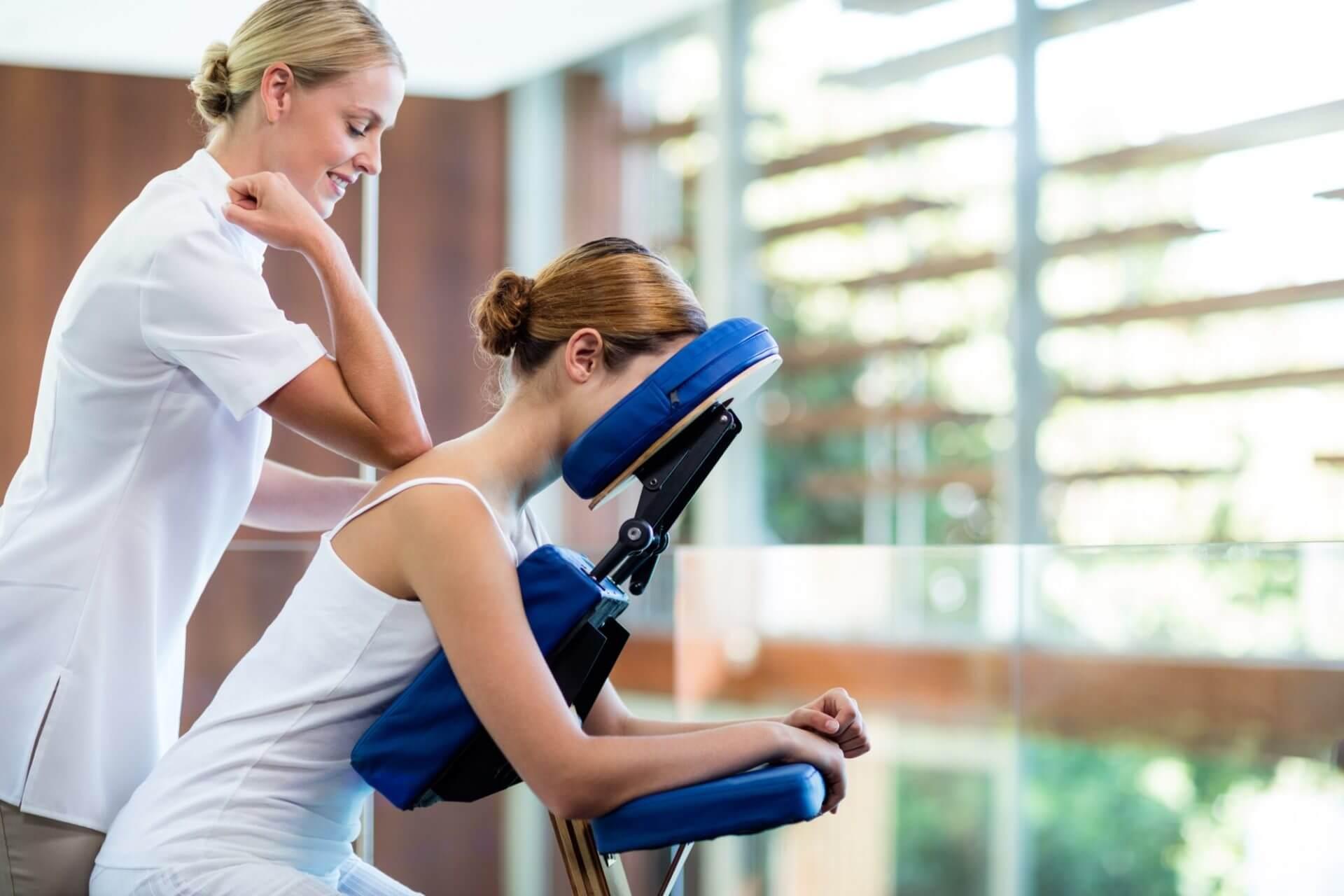
Booking a first massage can feel intimidating. You may wonder what to wear. You may worry about pressure or privacy. These feelings are completely normal.
Knowing the steps ahead of time brings calm. This article walks through a typical first visit. It explains each stage in plain terms. By the end, you will feel ready to relax.
Before You Arrive
Preparation begins at home. Eat a light meal a couple of hours before. A heavy meal can feel uncomfortable on the table. Skipping food completely may leave you dizzy.
Drink water throughout the day. Hydrated tissues respond better to massage. Avoid alcohol beforehand. Take a warm shower if you can. It helps muscles relax.
Plan to arrive a little early. Many clinics ask for ten to fifteen minutes. You will complete paperwork during this time. Rushing makes it harder to settle in.
What to Wear
Wear clothing that is easy to remove. Many people choose loose, comfortable outfits. You will undress to your comfort level. Your therapist will leave the room first. Underwear stays on or off, as you prefer.
Arrival and Check-In
Reception staff will greet you at the front desk. They confirm your appointment. They may ask for your health card or insurance details. Some clinics provide a short intake form.
You can use the washroom before your session. Switch off your phone or set it to silent. Leave valuables in a safe place. Then relax in the waiting area.
The environment often sets the tone. Soft lighting and calm music are common. Clean linens and a warm room matter too. These details help your body settle.
The Health History Conversation
Your therapist will meet you and explain the process. They will ask about your health history. Expect questions about injuries, surgeries, and medical conditions. They will also ask about medications.
Be honest and thorough. Mention allergies, skin conditions, and recent changes in health. Share any pregnancy. These details guide safe treatment choices. Nothing you say is judged.
You will also discuss your goals. Do you want relaxation or pain relief? Do you have a problem area? Is sleep an issue? Clear goals help the therapist plan your session.
Understanding Consent
Consent is central to massage therapy. The therapist explains what they plan to do. You agree before they start. You can change your mind at any time. Speak up if something feels wrong.
Inside the Treatment Room
The therapist will describe how to position yourself. They then step out while you undress. You lie on a padded table under a sheet or blanket. Warm blankets add comfort.
The table may include a face cradle. It keeps your neck neutral when you lie face down. Bolsters can support your knees or ankles. Tell the therapist if anything feels awkward.
Draping protects your privacy. Only the area being treated is uncovered. The rest stays covered at all times. This professional standard keeps you comfortable and secure.
Pressure and Communication
Pressure is the biggest worry for first-timers. Some people expect pain. Others fear it will be too light. Good massage is neither extreme.
The therapist will check in about pressure. Use simple words like lighter or deeper. You can also say if a spot feels too tender. Feedback improves your session.
Aim for a “good hurt” at most. That means a firm, releasing sensation. It should never feel sharp or unbearable. Breathing slowly helps your muscles let go.
Silence or Conversation
Some people enjoy quiet. Others like to chat. Both choices are fine. Tell your therapist your preference. They will follow your lead.
Common Techniques You May Experience
Swedish massage uses long, flowing strokes. It promotes relaxation and circulation. Deep tissue work targets deeper layers of muscle. Trigger point techniques focus on tight, tender knots.
Therapists often blend styles. They may stretch your arms and legs gently. They may use heat, oils, or lotions. Tell them about any sensitivities.
A first visit often focuses on assessment. The therapist may test your movement and muscle tone. They learn how your body responds. Later visits can then be more precise.
Choosing the Right Clinic
Qualifications matter. In Ontario, registered massage therapists complete accredited training. They are regulated by a professional college. Registration supports safe, ethical practice.
Many clients look for Lakeshore massage therapy options that combine professional standards with a welcoming setting. Reading about a clinic’s approach helps. Look at therapist profiles and treatment styles. Choose a place where you feel at ease.
Convenience also counts. Consider location, hours, and booking options. Regular visits are easier when travel is simple. Consistency often brings better results.
How Long Does a Session Last?
First visits are often longer. Expect a short intake followed by treatment. Common session lengths are thirty, forty-five, sixty, or ninety minutes. The right length depends on your needs.
Thirty minutes suits a single problem area, like neck and shoulders. Sixty minutes allows a fuller approach. Ninety minutes suits complex needs or deep relaxation. Your therapist can recommend a length.
Time on the table is only part of the visit. Allow extra minutes before and after. You may feel sleepy or relaxed afterward. Avoid tight schedules when possible.
Right After Your Session
The therapist will leave so you can dress. Take your time getting up. Move slowly to avoid dizziness. Sit for a moment if needed.
Expect a short follow-up chat. The therapist may share findings and suggestions. They may recommend stretches or self-care. Ask questions about anything unclear.
You may feel loose, calm, or slightly tired. Some people feel energized. Others feel mild tenderness. These responses are normal and usually fade quickly.
Aftercare Tips
Drink plenty of water. Avoid heavy exercise for the rest of the day. Take a warm bath if you like. Eat a balanced meal. Listen to your body.
Possible Side Effects
Mild soreness can appear a day later. It feels like post-workout achiness. It usually settles within forty-eight hours. Gentle movement and warm showers help.
Rarely, bruising occurs after deep work. Tell your therapist if this happens. Report any unusual pain or numbness. Professionals want to know how you respond.
Some conditions need medical clearance first. Examples include blood clots, serious infections, or recent surgery. Your therapist will ask about these during intake. Following their advice keeps you safe.
Planning Follow-Up Visits
One session can feel wonderful. Lasting change usually needs several. Therapists often suggest a short series at first. Weekly or biweekly visits are common early on.
As you improve, visits can space out. Many people settle into monthly maintenance. Frequency depends on goals, budget, and lifestyle. Your therapist will help you plan.
Keep notes between sessions. Record how you feel and sleep. Share changes with your therapist. This feedback helps refine future treatments.
Final Thoughts
A first massage is simpler than it sounds. You arrive, share your history, and relax under careful guidance. Communication keeps you comfortable at every step.
Preparation helps you get the most from your visit. Hydration, light meals, and open feedback make a difference. Afterward, aftercare supports the benefits. With a little knowledge, your first session can be a truly restful experience.
❤️ Support Friends Aim! View a sponsored ad to help cover our website costs. Thanks!
Support Us — Ad 1 Support Us — Ad 2- Arts, Culture & Design
- Automotive & Transport
- Accounting & Finance
- Advertising & Marketing
- Agriculture & Farming
- Business & Consulting
- Books & Publishing
- Building & Construction
- Beauty & Personal Care
- Baby, Kids & Parenting
- Charity & Social Causes
- Crafts & Handmade
- Careers & Jobs
- Computers & Laptops
- Consumer Electronics
- Entertainment & Events
- Food & Beverages
- Delivery & Logistics
- Digital Media & Content
- Dating & Relationships
- E-Commerce & Retail
- Education & Learning
- Energy & Environment
- Fitness
- Fashion & Apparel
- Gaming & Toys
- Government & Legal
- Gardening
- Health & Medical Care
- Home Decor & Furniture
- IT & Software
- Industrial & Tools
- Import & Export
- Jewelry & Watches
- Lifestyle & Wellness
- Legal Services & Law
- News & Media
- News & Current Affairs
- Religion & Faith
- Sports
- Technology
- Travel & Tourism
- Weddings & Events
- Other
❤️ Support Friends Aim! View a sponsored ad to help cover our website costs. Thanks!
Support Us — Ad 1 Support Us — Ad 2
 Arabic
 French
 Spanish
 Portuguese
 Deutsch
 Turkish
 Dutch
 Italiano
 Russian
 Romaian
 Portuguese (Brazil)
 Greek