


❤️ Support Friends Aim! View a sponsored ad to help cover our website costs. Thanks!
Support Us — Ad 1 Support Us — Ad 2 About
 Terms
 Privacy
What Are Common Causes of Heel Pain and Discomfort?
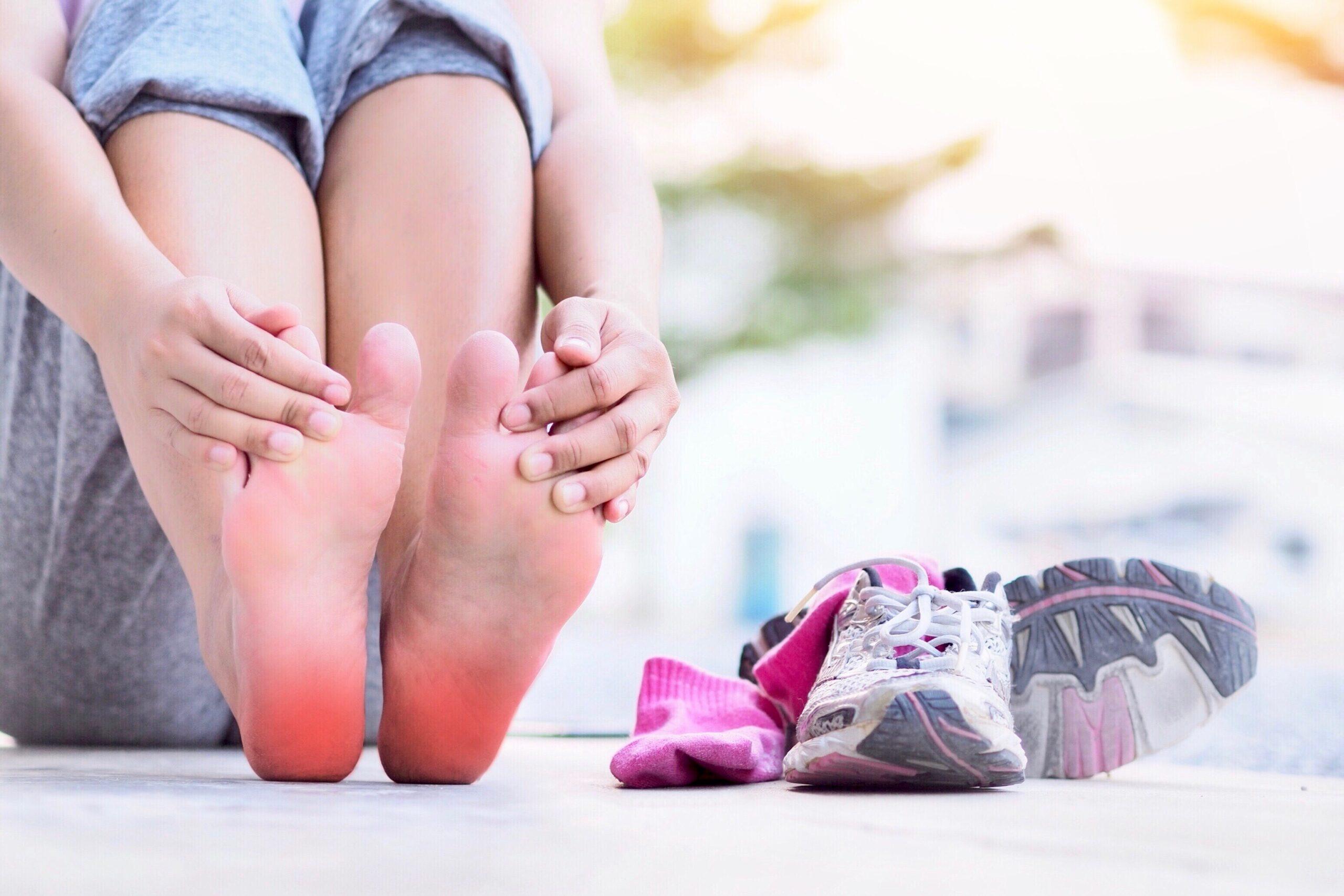
Heel pain and discomfort are among the most frequently reported musculoskeletal complaints across all age groups and activity levels. The heel absorbs enormous forces during walking, running, and standing, making it one of the most mechanically challenged structures in the body. Yet many people dismiss persistent heel pain as a minor inconvenience rather than seeking appropriate clinical assessment and care. This normalization of heel pain allows underlying conditions to progress from manageable early-stage problems to complex and difficult-to-treat chronic conditions. Understanding the most common causes of heel pain and discomfort is essential for earlier recognition, appropriate treatment selection, and more successful recovery outcomes.
The Mechanical Demands on the Heel
The calcaneus, or heel bone, is the largest bone in the foot and functions as the primary load-bearing structure during ground contact in walking gait. Ground reaction forces during normal walking reach approximately one to one-and-a-half times body weight at the heel during each step. During running, these forces increase substantially with each foot strike. Multiple important soft tissue structures including the plantar fascia, Achilles tendon, retrocalcaneal bursa, and heel fat pad all attach to or overlie the calcaneus.
The complexity of the heel’s structural relationships means that dysfunction in any one of these structures affects the loading experienced by the others. A tight Achilles tendon alters the load on the plantar fascia. Reduced heel fat pad thickness changes the impact transmission through the calcaneus itself. Bursitis between the Achilles tendon and the calcaneus modifies the available ankle motion and alters the loading of both structures. Understanding these interdependencies is important for accurate diagnosis and comprehensive treatment planning.
Plantar Fasciitis: The Most Common Heel Pain Condition
Plantar fasciitis is responsible for the majority of heel pain presentations in clinical practice worldwide. It involves a degenerative process and inflammation of the plantar fascia at its attachment to the medial calcaneal tubercle. The plantar fascia is a thick fibrous band that supports the arch and helps transmit force during push-off in the gait cycle. When cumulative tensile loading on this structure exceeds its adaptive capacity, micro-tearing and chronic inflammation develop at the calcaneal attachment.
The characteristic presentation of plantar fasciitis is severe pain with the first steps in the morning. After a period of rest, the plantar fascia tightens and the sudden elongation upon first weight-bearing produces acute pain at the heel. This initial morning pain often eases after several minutes of walking as the fascia warms and becomes more extensible. However, a return of pain typically occurs after extended walking or prolonged periods of sitting during the day. This distinctive symptom behavior is highly specific to plantar fasciitis and helps distinguish it from other causes of heel pain.
Several biomechanical and lifestyle factors consistently increase the risk of developing plantar fasciitis. Tight calf muscles and restricted ankle dorsiflexion increase the tensile demand on the plantar fascia during weight-bearing. Flat foot overpronation places the fascia under excessive stretch during the midstance phase of gait. High arch cavus feet maintain the fascia in a persistently elevated tension state. Sudden increases in weight-bearing activity, inadequate footwear, and hard working surfaces all contribute to the cumulative loading that exceeds the fascia’s healing capacity.
Achilles Tendinopathy and Insertional Heel Pain
Achilles tendinopathy is a degenerative condition of the Achilles tendon that represents the second most common cause of heel-region pain in active populations. The Achilles tendon attaches the powerful gastrocnemius and soleus calf muscles to the posterior calcaneus, transmitting the large forces generated during propulsion. Two distinct forms of Achilles tendinopathy affect different regions of the tendon and require meaningfully different management approaches.
Mid-portion Achilles tendinopathy affects the region approximately two to six centimeters above the calcaneal attachment. This form is most common in runners and jumping sport athletes and presents with localized tendon swelling, morning stiffness, and activity-related pain in the mid-tendon region. The tendon undergoes degenerative changes including collagen fiber disorganization and neovascularization that reduce its mechanical resilience and increase its pain sensitivity.
Insertional Achilles tendinopathy affects the calcaneal attachment itself and is a distinct clinical entity from mid-portion tendinopathy. Pain is located precisely at the back of the heel at the bone-tendon junction. Activities that increase ankle dorsiflexion such as uphill walking and running are particularly aggravating because they increase compressive loading at the insertional site. Haglund’s deformity, a bony prominence on the posterosuperior calcaneus, frequently accompanies insertional tendinopathy and creates additional compressive irritation between the tendon and the bone.
Retrocalcaneal Bursitis and Posterior Heel Pain
Retrocalcaneal bursitis involves inflammation of the fluid-filled sac located between the Achilles tendon and the posterior superior surface of the calcaneus. This bursa reduces friction between the tendon and the bone during ankle movement. When this bursa becomes irritated through overuse, direct pressure from footwear heel counters, or the compressive irritation of a Haglund’s deformity, it becomes swollen and painful.
The presentation of retrocalcaneal bursitis includes pain and swelling at the back of the heel that is characteristically worsened by closed-back footwear. The rigid heel counter of enclosed shoes compresses the inflamed bursa with every step. Many patients with retrocalcaneal bursitis find that barefoot walking or open-backed footwear significantly reduces their symptoms compared to wearing normal shoes. This distinctive footwear-dependent symptom pattern helps differentiate bursitis from other causes of posterior heel pain.
Retrocalcaneal bursitis and insertional Achilles tendinopathy frequently coexist in the same patient, particularly when a Haglund’s deformity is present. The Haglund’s prominence creates chronic compressive irritation of both the bursa and the insertional tendon fibers simultaneously. This co-existing pathology requires treatment that addresses both components and avoids the compressive loading that aggravates the insertional region specifically.
Heel Fat Pad Syndrome
Heel fat pad syndrome involves the atrophy or structural disruption of the specialized fat pad that cushions the calcaneus during weight-bearing. This fat pad is composed of fibrous septa that enclose fat-filled chambers, creating a biological shock-absorbing structure uniquely suited to the repetitive impact demands of bipedal ambulation. With age, high-impact loading, previous corticosteroid injection, and certain systemic conditions, the fat pad thins and loses its mechanical properties.
The presentation of fat pad syndrome differs meaningfully from plantar fasciitis, though both produce pain at the undersurface of the heel. Fat pad syndrome pain is located centrally and directly under the heel bone rather than at the medial aspect. It is present from the first step of the day rather than progressively worsening from an initially tolerable level. It is characteristically worse on hard surfaces such as tile or concrete and better on soft or cushioned surfaces.
Many patients with fat pad syndrome have a history of repeated corticosteroid injections to the heel for plantar fasciitis. While these injections provide short-term symptom relief, they accelerate the atrophy of the fat pad with each administration. This progressive fat pad thinning eventually produces a syndrome that is more difficult to manage than the original plantar fasciitis. The recognition of this risk has reduced the frequency of heel corticosteroid injections in contemporary clinical practice.
Stress Fractures of the Calcaneus
Calcaneal stress fractures represent a serious and sometimes overlooked cause of heel pain that requires specific and careful management. They develop from repetitive mechanical loading that exceeds the calcaneal bone’s remodeling capacity over time. Military personnel undergoing basic training, distance runners significantly increasing their mileage, and recreational athletes returning to high-impact activity after a prolonged period of inactivity are particularly vulnerable populations.
The clinical presentation of calcaneal stress fracture includes diffuse heel pain that is activity-related in early stages and becomes present at rest in more advanced cases. Unlike plantar fasciitis, the pain does not characteristically improve after the initial warm-up of activity. A positive squeeze test, in which medial and lateral compression of the heel bone reproduces the patient’s familiar pain, is an important clinical indicator. Standard X-rays frequently appear normal in early stress fractures, making MRI the preferred imaging investigation when clinical suspicion is high.
Management of calcaneal stress fractures requires significant reduction in weight-bearing loading until the stress fracture has healed adequately. Return to loading must be graduated carefully to prevent recurrence. Nutritional assessment including evaluation of calcium, vitamin D, and total energy intake is important, particularly for patients in whom low energy availability may be contributing to bone stress injury.
Seeking Professional Assessment and Care
The overlapping symptom profiles of these heel pain conditions make accurate self-diagnosis unreliable. Plantar fasciitis and fat pad syndrome both produce inferior heel pain. Retrocalcaneal bursitis and insertional Achilles tendinopathy both produce posterior heel pain. Calcaneal stress fracture can mimic all of these conditions in its early clinical presentation. Clinical examination by a qualified provider adds the diagnostic accuracy that symptom description alone cannot provide.
Professional Heel injury treatment from a qualified specialist provides comprehensive biomechanical assessment, accurate structural diagnosis, and an individualized treatment plan that integrates targeted manual therapy, progressive loading rehabilitation, footwear and orthotic guidance, and evidence-based clinical interventions such as shockwave therapy where appropriate, giving patients the specific care their condition requires rather than a generic approach.
Early professional assessment consistently produces faster recovery and lower rates of chronicity. Most heel conditions respond well to conservative care when treatment is initiated within the first few weeks of symptom onset. Delayed presentation allows the development of adaptive movement compensations and central pain sensitization that complicate recovery significantly. The investment in prompt and accurate professional assessment is always more effective and less costly than managing a chronic condition that has been allowed to develop unchecked.
Conclusion
Heel pain and discomfort result from a range of distinct structural conditions including plantar fasciitis, Achilles tendinopathy, retrocalcaneal bursitis, fat pad syndrome, and calcaneal stress fracture. Each condition has specific mechanical mechanisms, characteristic symptom patterns, and targeted management requirements. Accurate professional diagnosis is essential given the overlapping symptom profiles of these conditions. With correct clinical assessment and appropriately individualized treatment, most patients with heel pain achieve full resolution and successful return to their desired activities without the chronicity that develops when these conditions are allowed to progress untreated.
❤️ Support Friends Aim! View a sponsored ad to help cover our website costs. Thanks!
Support Us — Ad 1 Support Us — Ad 2- Art & Design
- Automotive & Transport
- Accounting & Finance
- Advertising & Marketing
- Agriculture & Farming
- Apps, Software & AI
- Business & Consulting
- Books & Publishing
- Building & Construction
- Beauty & Personal Care
- Baby & Kids Products
- Charity & Social Causes
- Careers & Jobs
- Computers & Laptops
- Consumer Electronics
- Crafts & Handmade
- Crafts
- Entertainment & Events
- Food & Beverages
- Data Science & IT
- Delivery & Logistics
- Digital Media & Content
- Dating & Relationships
- E-Commerce & Retail
- Education & Learning
- Energy & Environment
- Film & Television
- Fitness & Sports
- Fashion & Apparel
- Financial Services
- Gaming & Consoles
- Government & Legal
- Gardening
- Health & Medical Care
- Home Decor & Furniture
- IT & Software
- Industrial & Tools
- IT & Web Services
- Import & Export
- Jewelry & Watches
- Literature
- Lifestyle & Wellness
- Legal Services & Law
- Luxury & Premium Goods
- News & Media
- News & Current Affairs
- Other
- Religion & Faith
- Tech & Telecom
- Travel & Tourism
- Weddings & Events
❤️ Support Friends Aim! View a sponsored ad to help cover our website costs. Thanks!
Support Us — Ad 1 Support Us — Ad 2
 Arabic
 French
 Spanish
 Portuguese
 Deutsch
 Turkish
 Dutch
 Italiano
 Russian
 Romaian
 Portuguese (Brazil)
 Greek