


❤️ Support Friends Aim! View a sponsored ad to help cover our website costs. Thanks!
Support Us — Ad 1 Support Us — Ad 2 About
 Terms
 Privacy
Understanding Fat Survival After Transfer: What Patients Should Know
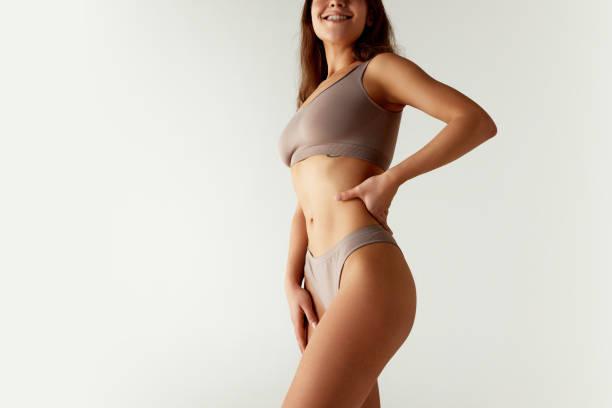
What Is Fat Transfer Surgery?
Fat transfer surgery is a cosmetic procedure that involves removing fat from one area of the body, processing it, and injecting it into another area to improve volume and contour. It is commonly used to enhance the breasts, buttocks, face, hands, and other areas where additional fullness may be desired. Because the procedure uses the patient's own fat, it offers a natural approach to body enhancement.
Fat Transfer Surgery In Riyadh is an option for individuals seeking natural-looking improvements in body shape and facial volume. Understanding how transferred fat survives, how the body responds after treatment, and what influences the final results can help patients develop realistic expectations before considering the procedure.
What Does Fat Survival After Transfer Mean?
Fat survival refers to the amount of transferred fat that remains in the treated area after the body has had time to heal. Not every fat cell survives the transfer process. Once fat is injected into its new location, the cells must receive sufficient oxygen and nutrients from the surrounding tissue to remain healthy.
During the initial healing period, some transferred fat is naturally reabsorbed by the body. The remaining viable fat cells can establish a blood supply and become part of the surrounding tissue. This process helps determine the long-term volume and contour achieved through the procedure.
Why Do Some Fat Cells Survive Better Than Others?
Fat survival depends on several factors, including the quality of the harvested fat, how carefully it is processed, the injection technique, and the blood supply in the recipient area. Gentle handling helps protect delicate fat cells, while appropriate placement allows the transferred tissue to receive nutrients from nearby blood vessels.
The amount of fat injected into a particular area also matters. If too much fat is placed in one location, some cells may not receive adequate blood supply, increasing the likelihood of reabsorption or complications.
Factors That Affect Fat Survival After Transfer
Blood Supply and Tissue Health
A healthy blood supply is essential for transferred fat to survive. Following injection, the fat cells initially depend on nutrients and oxygen diffusing from surrounding tissues. Over time, surviving cells can establish connections with the local blood supply. Areas with suitable tissue conditions may provide a more favorable environment for fat retention.
Surgical Technique and Fat Processing
The way fat is collected, purified, and injected can influence its viability. Careful harvesting helps minimize damage to fat cells, while appropriate processing removes unwanted fluids and other materials. During injection, distributing small amounts of fat throughout suitable tissue can improve contact with the surrounding blood supply.
Individual Healing and Lifestyle
Every patient heals differently. General health, circulation, nutritional status, and individual biological responses can influence recovery. Following the recommended aftercare instructions is important because unnecessary pressure, trauma, or disruption of the treated area may affect healing.
Patients should also discuss smoking, medications, and existing health conditions with their healthcare provider before surgery, as these factors may influence recovery and surgical safety.
What Happens During the Fat Survival Process?
The Early Healing Stage
During the first several days and weeks, swelling and bruising may make the treated area appear fuller than its eventual result. Some transferred fat cells begin to survive, while others are gradually reabsorbed. Patients should avoid judging the final outcome during this early stage.
The Stabilization Stage
Over the following weeks and months, swelling gradually decreases and the retained fat becomes more stable. The treated area may appear less full as the body absorbs some of the transferred volume. The final outcome develops gradually, and the timeline varies depending on the treatment area and individual healing response.
How Can Patients Support Better Fat Retention?
Patients can support recovery by following their aftercare plan, maintaining balanced nutrition, staying adequately hydrated, and avoiding smoking. They should follow specific instructions about physical activity, sleeping positions, compression garments, and pressure on the treated area.
Maintaining a relatively stable body weight is also helpful because transferred fat cells can change in size when a person's weight fluctuates. However, even with excellent care, complete fat survival cannot be guaranteed, and individual results vary.
Frequently Asked Questions
Does all transferred fat survive after surgery?
No. Some transferred fat is naturally reabsorbed by the body. The amount that remains varies according to the treatment area, surgical technique, tissue health, and individual healing response.
How long does it take for transferred fat to stabilize?
The treated area generally becomes more stable over several months as swelling subsides and the body completes important stages of healing. Your healthcare provider can advise you on the expected timeline for your specific procedure.
Can transferred fat disappear over time?
Some transferred fat may be reabsorbed during the initial healing period. Fat cells that successfully survive can remain long term, although their size may change with weight fluctuations and other natural changes in the body.
Does lifestyle affect fat survival after transfer?
Yes. Smoking, significant weight changes, and failure to follow postoperative instructions may affect healing and the appearance of the results. Following professional guidance can support recovery, although it cannot guarantee a particular outcome.
Is fat transfer suitable for everyone?
Not necessarily. Suitability depends on general health, available donor fat, treatment goals, and the area being treated. A qualified healthcare professional can assess individual circumstances and explain the potential benefits, risks, and alternatives.
Book Your Fat Transfer Consultation at Enfield Royal Clinic
Understanding fat survival is an important step toward making an informed decision about cosmetic enhancement. At Enfield Royal Clinic, patients can discuss their aesthetic goals, learn about the fat transfer process, and receive personalized guidance about expected outcomes, recovery, and potential risks. Schedule a consultation to explore whether fat transfer surgery is appropriate for your needs and expectations.
❤️ Support Friends Aim! View a sponsored ad to help cover our website costs. Thanks!
Support Us — Ad 1 Support Us — Ad 2❤️ Support Friends Aim! View a sponsored ad to help cover our website costs. Thanks!
Support Us — Ad 1 Support Us — Ad 2
 Arabic
 French
 Spanish
 Portuguese
 Deutsch
 Turkish
 Dutch
 Italiano
 Russian
 Romaian
 Portuguese (Brazil)
 Greek