


❤️ Support Friends Aim! View a sponsored ad to help cover our website costs. Thanks!
Support Us — Ad 1How Can Cbbmachine Magnetic Powder Clutch Improve Torque Regulation?
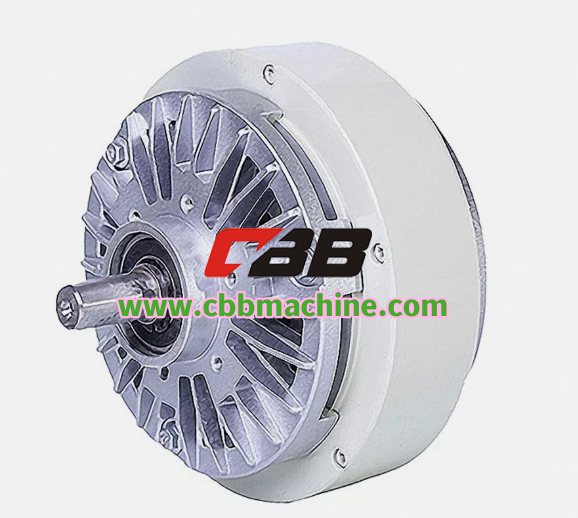
In industrial machinery that requires adjustable torque transmission, a Magnetic Powder Clutch from Cbbmachine offers a practical approach to controlling the transfer of rotational force between connected components. Using magnetic powder within an electromagnetic assembly, this device allows transmitted torque to be regulated through changes in excitation current. Its operating characteristics make it suitable for applications involving winding, feeding, tension regulation, and coordinated material processing, where flexible control can help equipment respond to changing production conditions.
Unlike a rigid mechanical connection, this type of clutch allows the driving and driven sides to operate with a controlled difference in rotational speed. The magnetic field influences the behavior of the powder between internal rotating elements, creating a torque-transmitting connection. By adjusting the excitation current, operators can modify the transmitted torque to suit the requirements of a particular process. This characteristic provides useful flexibility when machinery must accommodate variations in material resistance or load.
Torque regulation is especially relevant in manufacturing environments where materials move continuously through multiple processing stages. During winding and unwinding, the relationship between roll diameter, rotational speed, and material tension changes as production progresses. A controllable clutch can help manage the driving force applied to a shaft, supporting a more adaptable approach to material handling. The overall result depends on the control system, mechanical configuration, and operating conditions.
Another useful characteristic is the ability to integrate torque adjustment into an automated production process. When paired with suitable electrical controls, sensors, or tension-monitoring equipment, the clutch can respond to changing operating demands. This arrangement may help manufacturers coordinate material feeding, winding, and other motion-related tasks. Proper system design remains important because the clutch works as part of a broader mechanical and electrical arrangement rather than as an isolated component.
Selecting an appropriate model requires attention to the intended application. Buyers should evaluate the required torque range, operating speed, heat dissipation, mounting arrangement, shaft connection, and available installation space. The characteristics of the driven load also matter, particularly when the equipment handles delicate materials or requires frequent torque adjustments. Reviewing these factors before purchasing can help establish compatibility and reduce the need for avoidable modifications.
Thermal behavior deserves particular consideration during continuous operation. Slippage within the clutch produces heat, and the amount generated depends on the operating conditions and transmitted load. Adequate heat management, correct installation, and operation within the manufacturer's specified limits are important for maintaining suitable working conditions. Equipment designers should assess the duty cycle and surrounding environment when determining whether a particular configuration meets the application requirements.
Maintenance planning can also influence long-term performance. Regular inspection helps identify unusual noise, excessive temperature, loose mounting hardware, or changes in operating response. Electrical connections and control circuits should be maintained according to the supplier's guidance. Keeping the surrounding assembly clean and checking associated components can support consistent operation while making potential issues easier to identify.
Different industries use adjustable torque transmission for different purposes. Packaging equipment may require coordinated film feeding, while printing and converting machinery may need controlled material movement during processing. Rewinding systems can also benefit from torque adjustment when handling materials with varying mechanical characteristics. Understanding the actual production task allows manufacturers to select a suitable configuration instead of relying on assumptions about general equipment needs.
Effective cooperation between equipment buyers and suppliers helps clarify these requirements. Information about the machine layout, driven load, processed material, control preferences, and working environment can support a more productive technical discussion. With these details available, the selection process can focus on practical integration, operating conditions, and maintenance expectations.
A considered transmission design connects mechanical movement with the changing demands of production. By evaluating torque behavior, heat management, control compatibility, and installation requirements together, manufacturers can make informed decisions about adjustable drive technology.
Let your next machinery improvement begin with a closer look at how motion is connected. Visit https://www.cbbmachine.com/product/ to review industrial transmission components and consider solutions for your equipment requirements. A more suitable approach to torque control may be just a few thoughtful clicks away.
❤️ Support Friends Aim! View a sponsored ad to help cover our website costs. Thanks!
Support Us — Ad 1 Support Us — Ad 2❤️ Support Friends Aim! View a sponsored ad to help cover our website costs. Thanks!
Support Us — Ad 1
 English
 Arabic
 French
 Spanish
 Portuguese
 Deutsch
 Dutch
 Italiano
 Russian
 Romaian
 Portuguese (Brazil)
 Greek