


Point of Sale System | Simplify Sales and Business Management
Understanding Point of Sale Systems: How They Power Modern Commerce
Introduction
Behind every smooth checkout experience, whether at a coffee shop, a clothing boutique, or a busy restaurant, sits a point of sale (POS) system quietly doing the heavy lifting. These systems have moved far beyond their origins as simple cash registers, evolving into all-in-one platforms that handle payments, track stock, and generate insights that help business owners make smarter decisions. As commerce continues to shift toward faster, more connected experiences, understanding how POS systems function has become essential for anyone running a business today.
Defining the Point of Sale System
At its core, a point of sale system is the technology used at the exact moment a transaction is completed. This covers everything from the hardware customers interact with, such as card terminals and touchscreens, to the underlying software that calculates totals, applies discounts, and records the sale. Rather than functioning as a standalone tool, a modern POS system typically integrates with a business's broader operations, including inventory databases, accounting software, and customer loyalty platforms.
The Building Blocks of a POS Setup
Physical Hardware
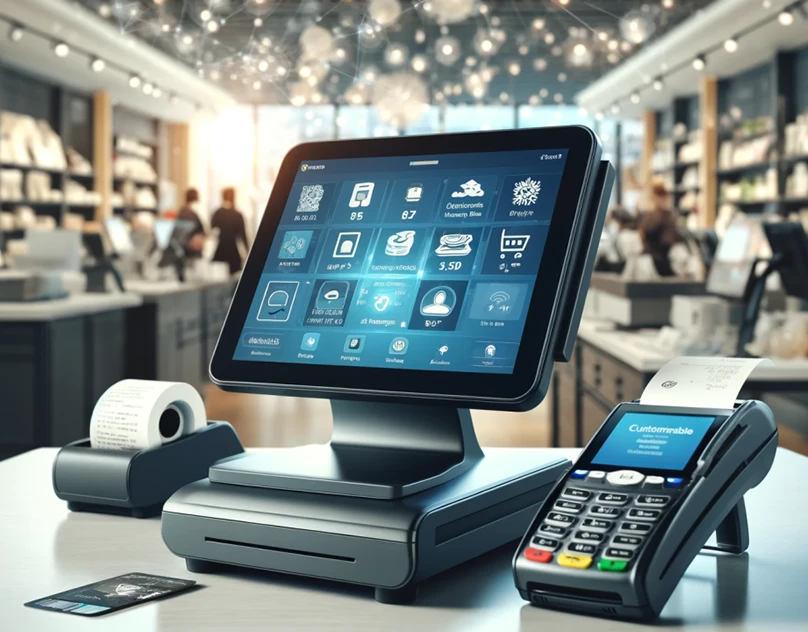
Most POS setups include a checkout terminal or tablet, a card reader, a receipt printer, and often a barcode scanner. Larger retail operations may also use handheld scanners or mobile devices so staff can process sales from anywhere on the shop floor rather than being confined to a single counter.
Backend Software
The software layer is where much of the real value lies. It manages product catalogs, tracks stock levels in real time, records employee sales performance, and compiles reports that reveal patterns in customer purchasing behavior. Many POS platforms today are cloud-based, meaning business owners can check sales figures or adjust pricing from a smartphone, even when they're away from the store.
Categories of POS Systems
Legacy On-Site Systems
Older POS models store transaction data on local servers within the business premises. These systems can be dependable since they don't rely on a constant internet connection, but they often come with higher setup costs and limited flexibility when a business wants to expand to new locations.
Cloud-Hosted Systems
Cloud-based POS platforms have become the standard choice for many newer businesses. Because data is stored remotely and accessed through the internet, updates roll out automatically, and owners can monitor multiple locations from a single dashboard. This model also tends to be more budget-friendly, particularly for small businesses just starting out.
Portable and Mobile Systems
Mobile POS solutions, often running on a smartphone or tablet, are especially popular among food trucks, market stall vendors, and pop-up retailers. Their low upfront cost and portability make them an accessible entry point for entrepreneurs who don't need a full countertop setup.
Businesses can use POS Ireland solutions to simplify sales, inventory tracking, payments, and everyday operations while keeping important business information organized.
Why Businesses Depend on POS Systems
The value of a POS system extends well beyond ringing up sales. Consider the following advantages that make these systems indispensable to modern business operations:
-
Speed at Checkout: Automated pricing, tax calculation, and barcode scanning cut down transaction times, keeping queues short even during peak hours.
-
Live Inventory Tracking: Stock counts update automatically with every sale, helping prevent both overstocking and running out of popular items.
-
Actionable Sales Data: Reports on top-selling products, slow periods, and revenue trends give owners the information needed to make informed decisions.
-
Stronger Customer Relationships: Built-in loyalty programs, targeted promotions, and flexible payment options help businesses retain repeat customers.
-
Fewer Manual Errors: Automated math and digital record-keeping reduce the mistakes that come with manual cash handling and paper ledgers.
-
Unified Sales Channels: Many systems sync in-store and online sales data, keeping inventory and pricing consistent no matter where a customer shops.
Where POS Systems Are Used
Although retail is the most obvious application, POS systems support a wide range of industries. Restaurants use them to manage table orders, send tickets directly to the kitchen, and split bills between diners. Salons and wellness studios combine appointment booking with checkout in a single platform. Grocery stores rely on high-speed POS terminals to handle large transaction volumes without slowing down. Even service-based businesses like auto repair shops and gyms use POS software to manage invoicing, memberships, and recurring payments.
Choosing the Right System for Your Business
Picking a POS system isn't a one-size-fits-all decision. A few factors deserve close attention:
-
Nature of the Business: A single-location café has very different requirements than a multi-branch retail chain.
-
Total Cost of Ownership: Look beyond the initial hardware price to ongoing subscription fees and transaction charges.
-
Staff Learning Curve: An intuitive interface reduces training time and prevents slowdowns during busy shifts.
-
Compatibility: The system should integrate smoothly with existing accounting tools, e-commerce platforms, and payment processors.
-
Support Availability: Responsive customer support matters most during unexpected downtime or technical issues.
-
Room to Grow: A good system should scale alongside the business, supporting additional terminals, staff accounts, or store locations as needed.
Looking Ahead: Where POS Technology Is Headed
POS technology continues to advance at a steady pace. Artificial intelligence is increasingly being applied to forecast inventory needs and personalize offers based on purchase history. Contactless payments and digital wallets are becoming the default rather than the exception. Meanwhile, unified commerce platforms are merging online and offline sales data into a single view, giving business owners a clearer picture of performance across every channel.
Conclusion
A point of sale system today does far more than simply process payments. It functions as a central hub for inventory management, sales analytics, and customer engagement, all working together to keep a business running smoothly. Whether it's a solo entrepreneur running a market stall or a retail chain spanning multiple cities, choosing the right POS system can directly influence operational efficiency, customer satisfaction, and long-term growth.
Modern business tools can simplify daily operations, improve transaction accuracy, and help businesses manage their activities more efficiently.

 English
 Arabic
 French
 Spanish
 Portuguese
 Deutsch
 Turkish
 Dutch
Dutch
 Italiano
 Russian
 Romaian
 Portuguese (Brazil)