


How to Maintain a Boat’s Fiberglass Finish for Long-Lasting Shine
Introduction
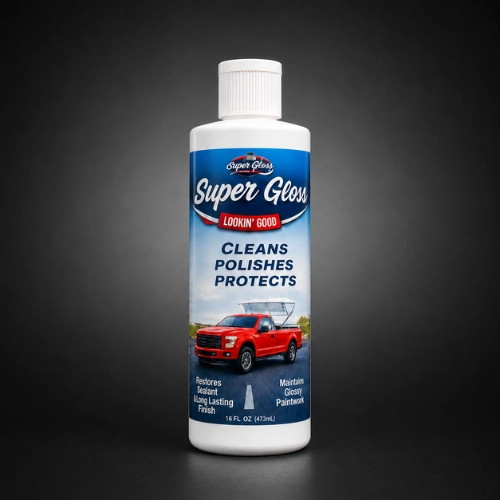
A boat’s fiberglass finish plays an important role in its appearance, durability, and overall condition. Constant exposure to sunlight, saltwater, moisture, and environmental contaminants can gradually make the surface look dull and faded. Regular cleaning and proper maintenance help preserve its shine and protect the exterior from premature wear. Using a quality boat fiberglass polish can help restore surface gloss, improve the boat’s appearance, and maintain a smooth, well-cared-for finish. With the right products and techniques, boat owners can keep their vessels looking impressive throughout the boating season.
Why Does Fiberglass Lose Its Shine?
Fiberglass is a popular material for boat construction because it is lightweight, durable, and relatively easy to maintain. However, its gel coat can deteriorate over time when exposed to harsh environmental conditions.
Exposure to Sunlight and UV Rays
Prolonged exposure to ultraviolet rays can cause oxidation, fading, and discoloration. The gel coat may gradually lose its reflective appearance, leaving the surface looking chalky or uneven. Applying appropriate protective products and maintaining a regular care routine can help reduce the effects of environmental exposure.
Saltwater and Mineral Deposits
Saltwater can leave behind deposits that affect the appearance of fiberglass. If these residues are not removed regularly, they may contribute to surface buildup and make the boat more difficult to clean. Freshwater rinsing after boating trips is an effective way to remove salt and other contaminants before they accumulate.
Dirt, Water Spots, and Oxidation
Dust, grime, bird droppings, and water spots can make fiberglass surfaces appear neglected. Oxidation can further reduce the finish’s clarity and shine. Consistent washing and periodic polishing help address these issues before they become more difficult to manage.
How to Clean Fiberglass Before Polishing
Proper preparation is essential for achieving an attractive finish. Polishing a dirty surface can spread contaminants and potentially create additional scratches.
Step 1: Rinse the Boat Thoroughly
Begin by rinsing the exterior with clean water to remove loose dirt, sand, and salt deposits. Pay particular attention to areas near the waterline, around fittings, and along the hull, where grime can accumulate.
Step 2: Wash With a Suitable Cleaner
Use a boat-safe cleaning solution and a soft microfiber cloth or wash mitt. Gently clean the fiberglass without applying excessive pressure. Avoid abrasive household cleaners that could damage the gel coat or interfere with subsequent polishing.
Step 3: Dry and Inspect the Surface
Rinse away all cleaning residue and dry the surface with a clean microfiber towel. Inspect the fiberglass under good lighting to identify dull patches, oxidation, water spots, and minor surface imperfections. This assessment helps determine whether routine polishing or more intensive restoration is needed.
Choosing the Right Polish for Fiberglass Boats
Selecting a suitable product is an important part of boat maintenance. Different formulations address different surface conditions, so boat owners should consider the age, condition, and finish of their fiberglass before choosing a polish.
Consider the Condition of the Gel Coat
A relatively new fiberglass surface may require only gentle polishing to maintain its gloss. Older or oxidized surfaces might need a product specifically formulated to address oxidation. Deep scratches, cracks, or structural damage generally require more than ordinary polishing and should be evaluated separately.
Look for Practical, Multi-Purpose Solutions
Products that combine cleaning, polishing, and protective benefits can simplify routine maintenance. A suitable formula may help reduce the number of separate detailing products needed while making regular boat care more convenient. Always confirm that the product is compatible with fiberglass and follow the manufacturer's instructions.
Best Practices for Polishing Fiberglass
Once the boat is clean and dry, apply the selected product according to its directions. Work on a small section at a time to maintain control and achieve consistent results.
Apply the Product Evenly
Use a clean applicator pad or an appropriate polishing tool. Spread the product evenly without applying unnecessary pressure. If using a machine polisher, choose a compatible pad and follow the recommended speed and technique to avoid overheating or damaging the surface.
Buff Carefully for a Consistent Finish
Use a clean microfiber cloth to remove residue when the product instructions recommend buffing. Check the surface from different angles to identify missed areas or uneven patches. Avoid polishing in direct sunlight or on excessively hot surfaces, as heat can make products harder to work with.
Protect the Finish After Polishing
Polishing improves appearance, but its results can diminish with continued exposure to the elements. Depending on the product used, an appropriate wax or sealant may provide additional protection against moisture, contaminants, and environmental wear.
Maintaining Your Boat Between Polishing Sessions
Regular maintenance helps extend the benefits of polishing. Rinse the boat after saltwater use, remove fresh stains promptly, and wash the fiberglass with suitable marine cleaning products. Whenever possible, store the boat under a cover or in a shaded area to reduce UV exposure.
Inspect the finish periodically, especially after extended periods outdoors. Avoid unnecessary abrasive treatments, since aggressive polishing can gradually wear down the gel coat. Following a consistent care schedule is generally more effective than waiting until the surface becomes heavily oxidized.
Also Read: How to Keep Your Motorcycle Looking Shiny and Well-Protected
Conclusion
Maintaining a fiberglass boat’s appearance requires regular cleaning, careful polishing, and appropriate protection against environmental damage. By preparing the surface correctly, choosing compatible products, and using gentle application techniques, boat owners can preserve a glossy finish while making routine maintenance easier. Selecting a reliable boat fiberglass polish and combining it with consistent washing, sensible storage, and periodic inspections can help keep fiberglass surfaces looking clean, smooth, and attractive for many boating seasons.

 Arabic
 French
 Spanish
 Portuguese
 Deutsch
 Turkish
 Dutch
Dutch
 Italiano
 Russian
 Romaian
 Portuguese (Brazil)
 Greek
Greek